


Shipping time: fall to mid spring. Starting shipping season: fall 2026, no order will be shipped out in spring 2026. We strictly avoid shipping in summer.
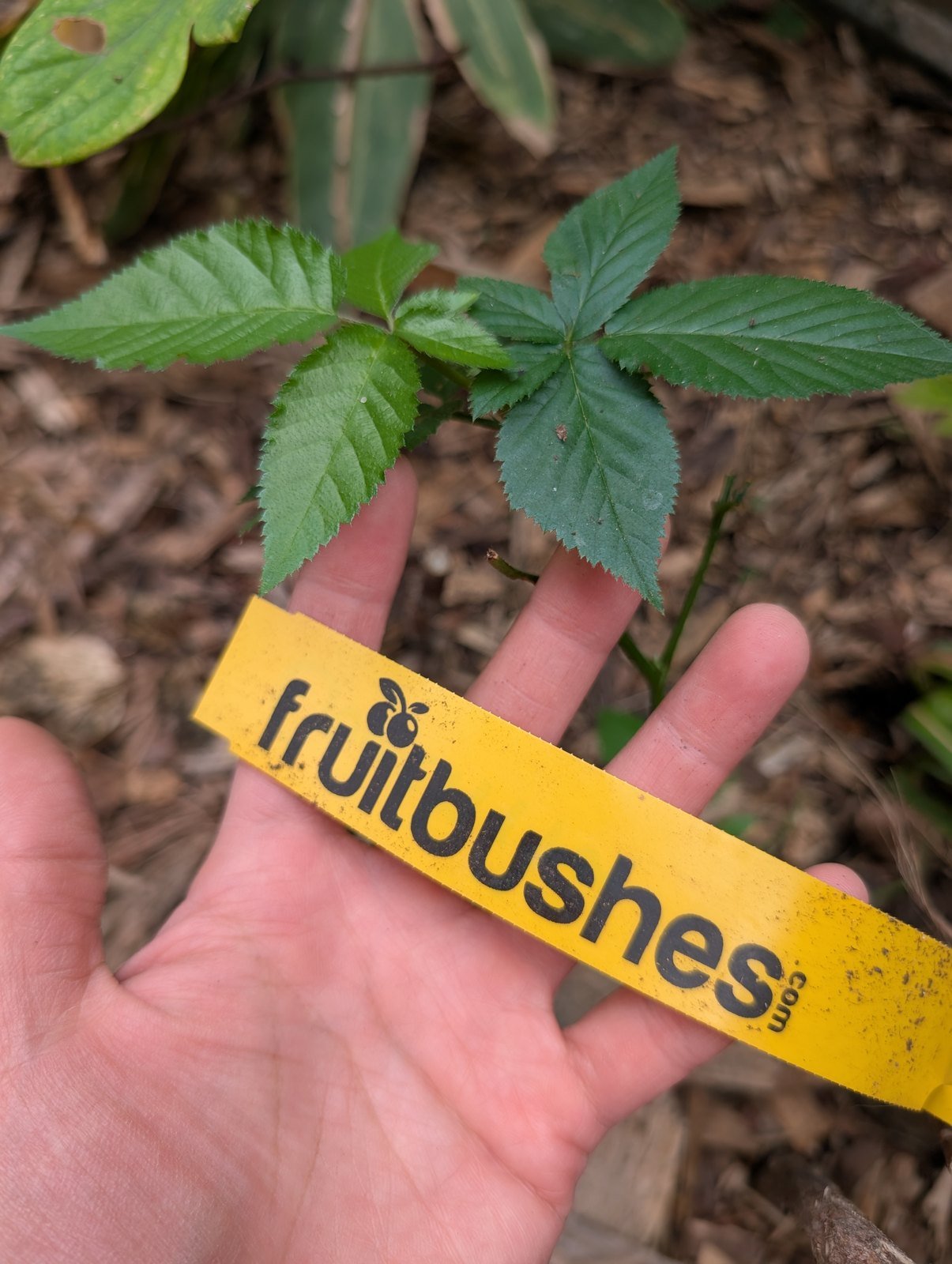
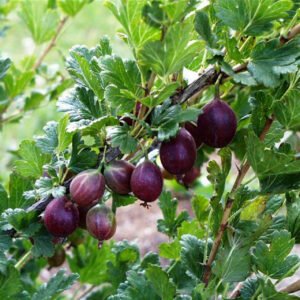
Wild Elderberry is a hardy native fruiting shrub valued for its fast growth, adaptability, and clusters of dark berries that ripen later in the season. It is commonly grown for edible landscaping, wildlife value, and home fruit production. In spring and early summer, the plant produces large flat clusters of small white flowers, followed by deep purple to black elderberries that are often used for syrup, jelly, wine, and preserves.
This plant has a vigorous, multi-stem growth habit and can spread into a dense thicket over time if left unpruned. Mature plants typically reach about 6 to 12 feet tall and 6 to 12 feet wide, depending on soil, moisture, and location. Wild Elderberry is well suited for naturalized plantings, hedgerows, and growers who want a tough, productive shrub that can handle a wide range of conditions. It grows best in full sun for heavier flowering and fruiting, though it can also tolerate partial shade.
Wild Elderberry generally fruits in mid to late summer, with crops improving as plants become established. For the best berry production, planting more than one elderberry nearby is helpful for cross-pollination and heavier fruit set. It prefers moist, well-drained soil, but it is adaptable to many soil types once established. Pruning during dormancy can help control size, improve airflow, and encourage fresh productive canes.
- Hardy native fruiting shrub
- Produces dark purple to black elderberries
- White flower clusters in spring to early summer
- Fruits in mid to late summer
- Vigorous multi-stem growth habit
- Mature size of about 6 to 12 feet tall
- Mature width of about 6 to 12 feet
- Best grown in full sun to partial shade
- Prefers moist, well-drained soil
- USDA Zones 3 to 8
- Cross-pollination helps improve fruit set
- Good for syrups, jelly, wine, preserves, and wildlife plantings


Reviews
There are no reviews yet.