
🌿 PhyTu is being lovingly rebuilt — thank you for your patience while we grow.
Some links and sections are not yet active. All products are available to purchase — simply browse, add to cart, and check out as usual. Features like farm visits, rescue profiles, and environment projects are coming soon. 🌸
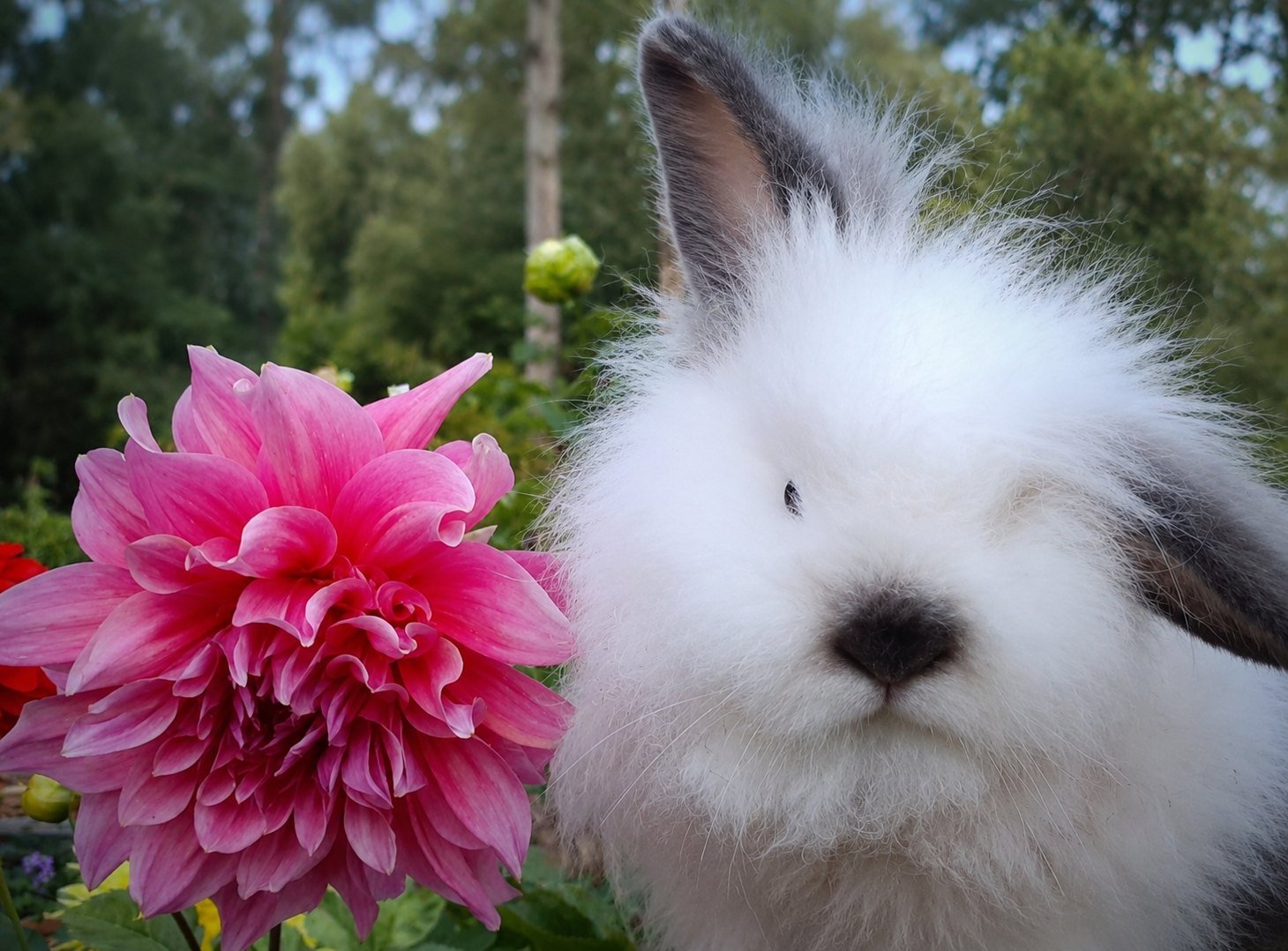
Where love continues to grow
Inspired by a woman who loved flowers, animals, and simple acts of kindness. PhyTu connects plants, rescue animals, local services, habitat restoration, and community in one compassionate place.
🌿 Every purchase helps support animals, habitat, small growers, and a kinder world.
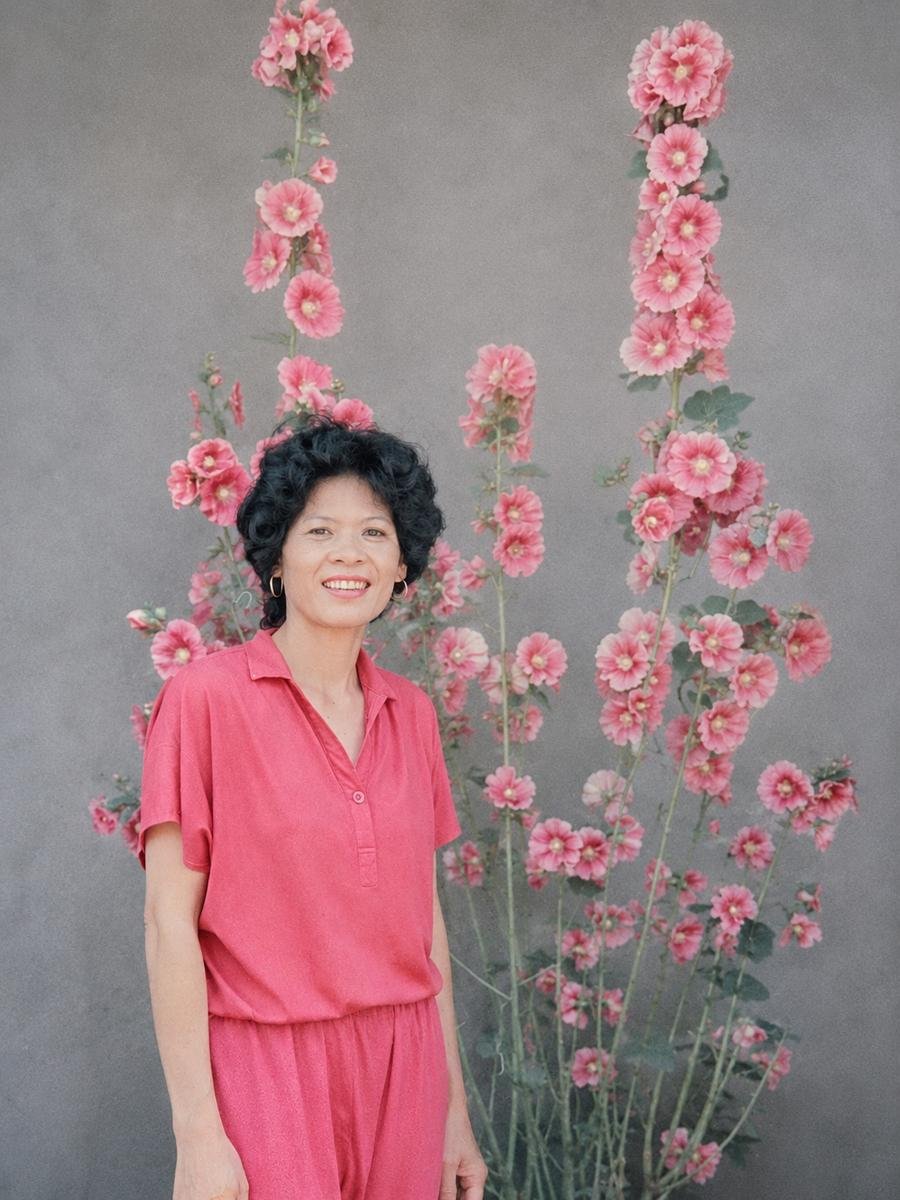
Love never dies
A tribute to a woman who believed flowers, animals, and gentleness make life more beautiful.
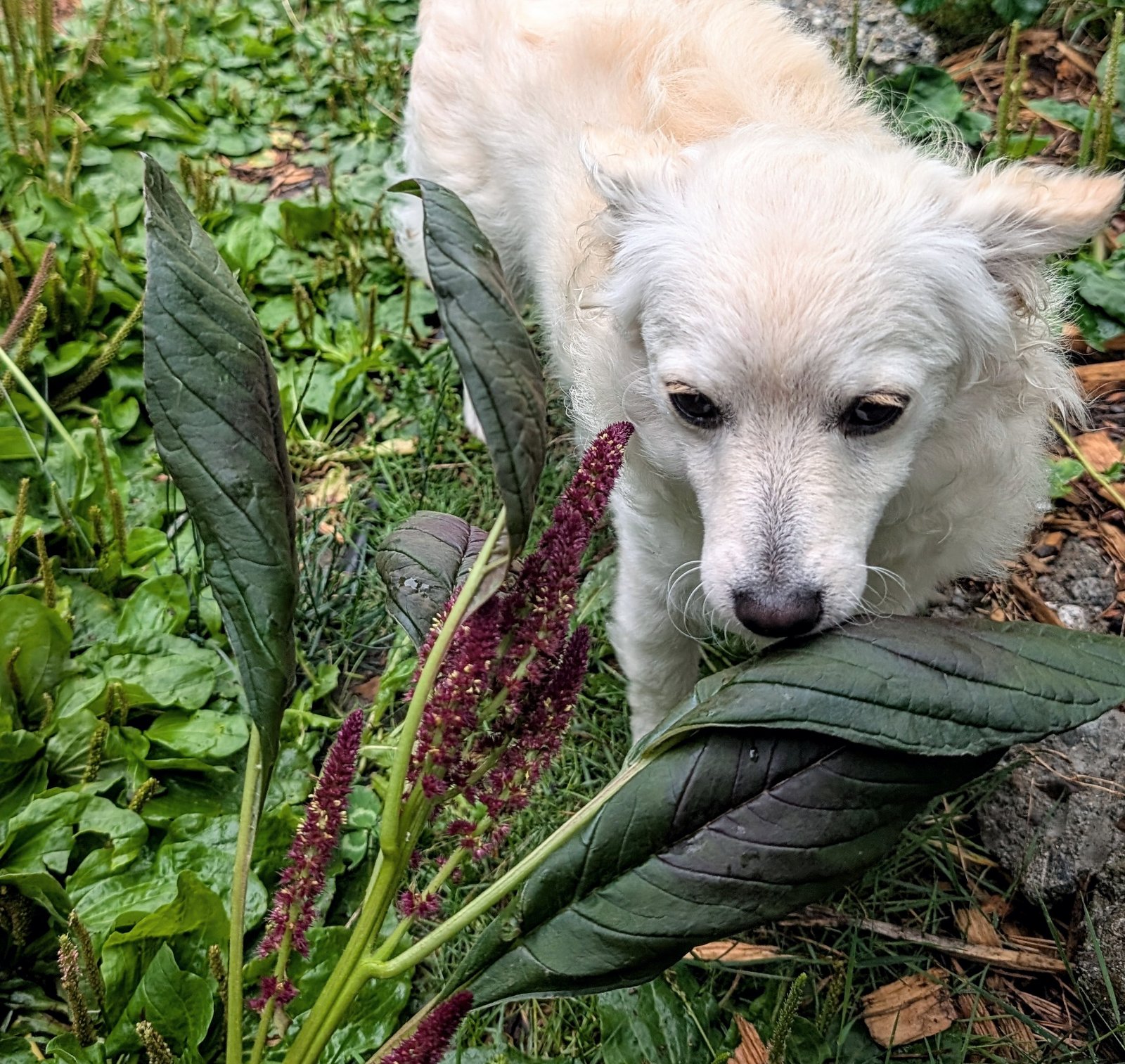
Plants that nurture
Peonies, roses, bulbs, wildflowers, edibles, and gardens that bring beauty, nourishment, and calm into everyday life.
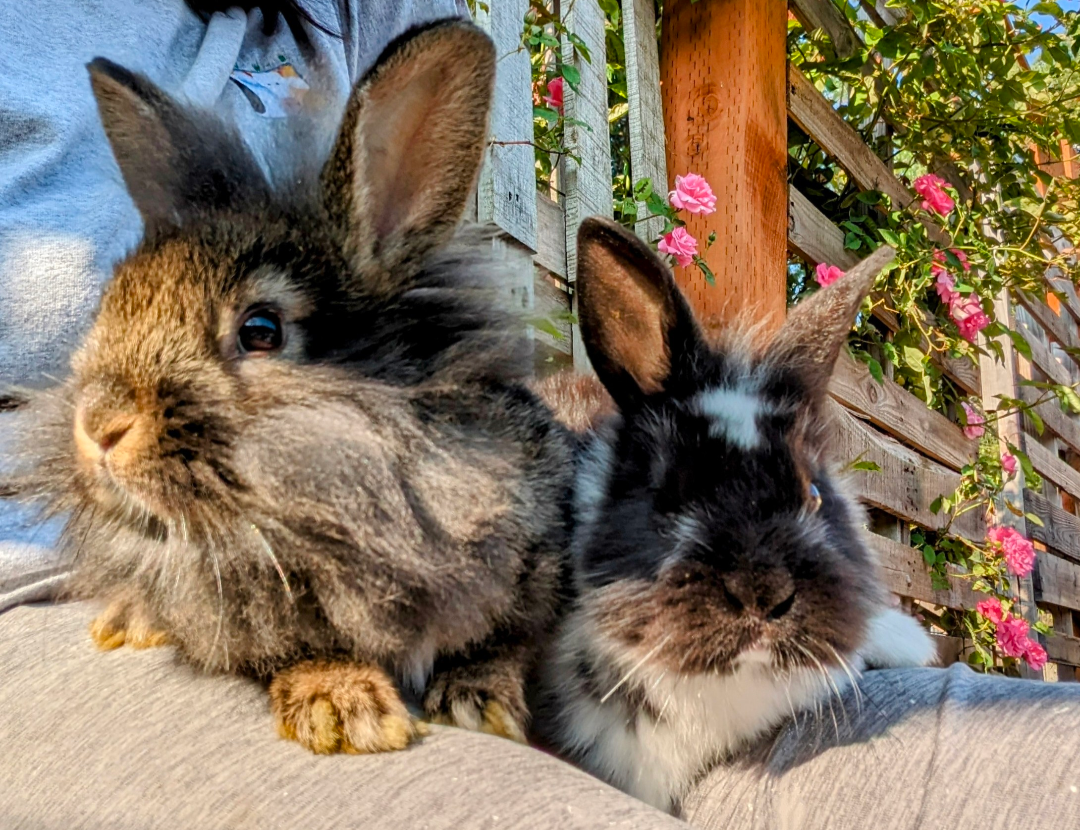
Animals are family
Rescue, adoption, fostering, animal care, and compassion for the small and forgotten.
What we stand for
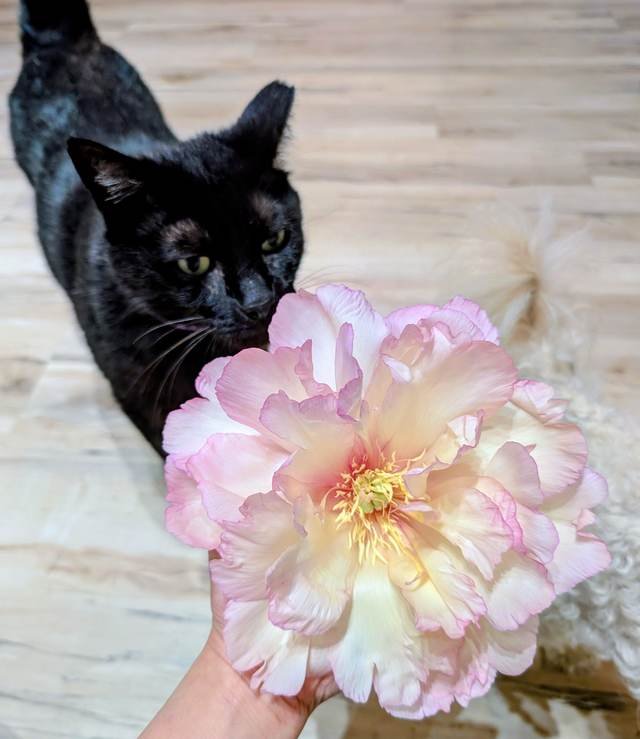


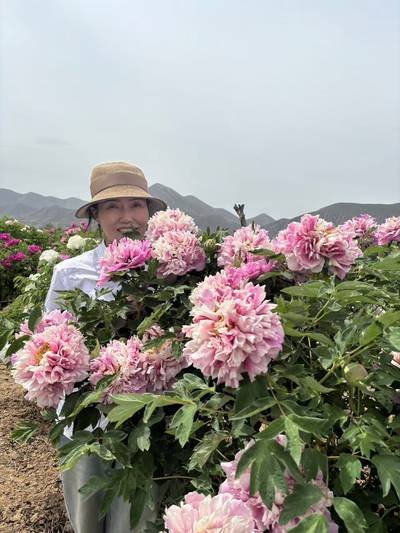
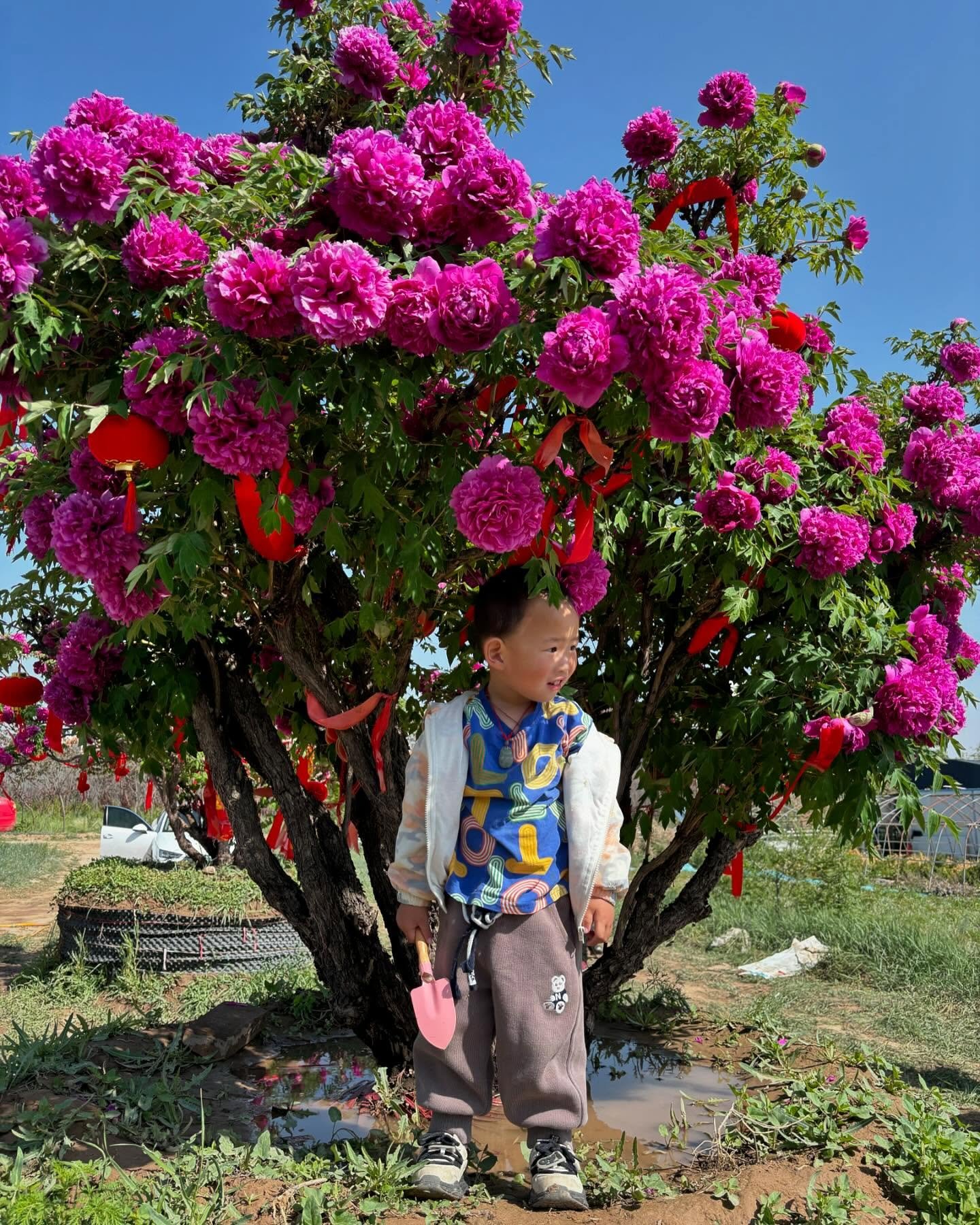
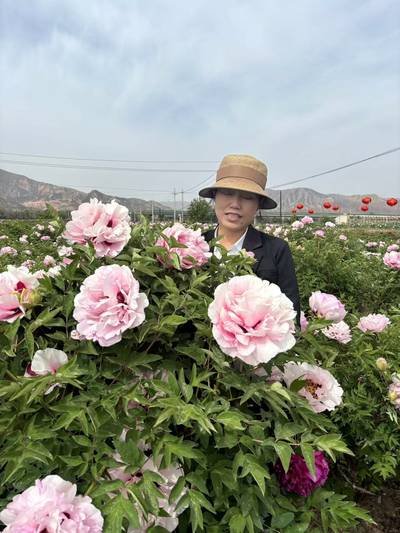
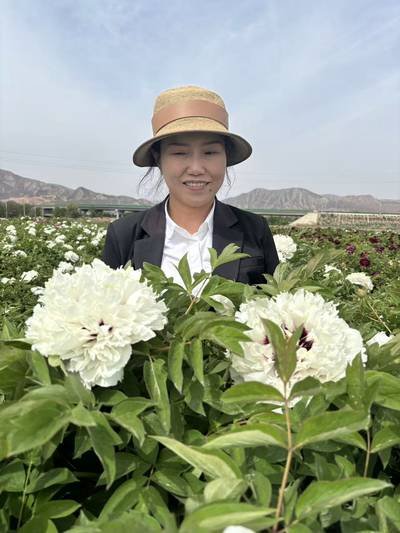
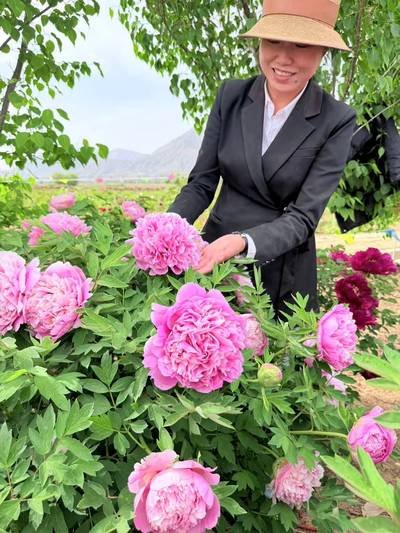
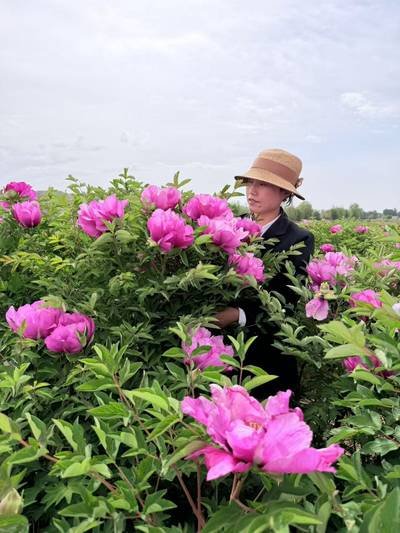
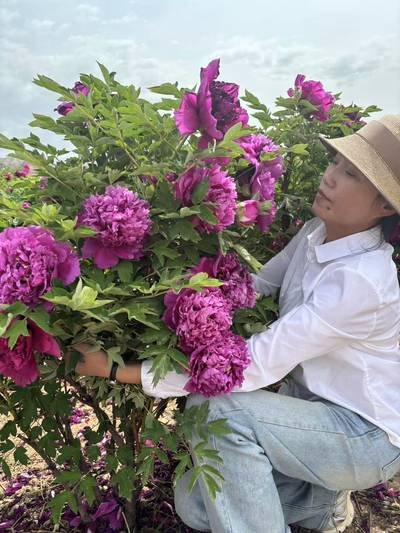
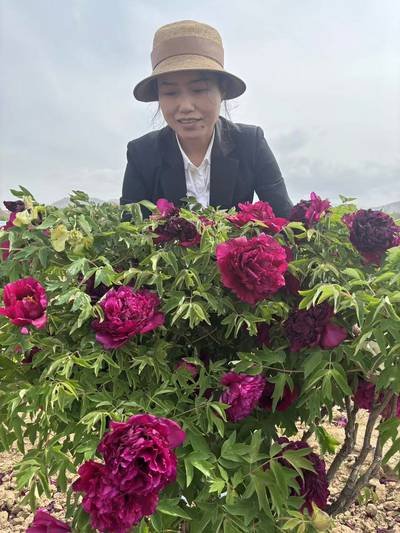
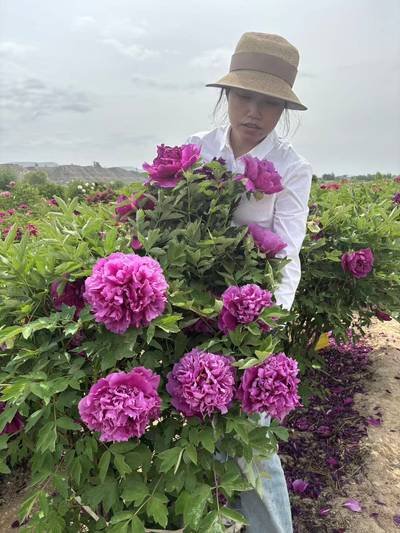
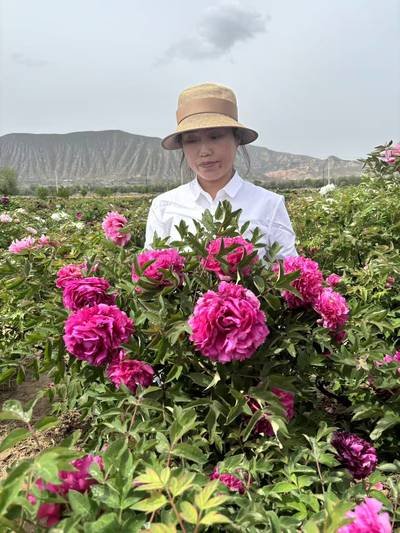
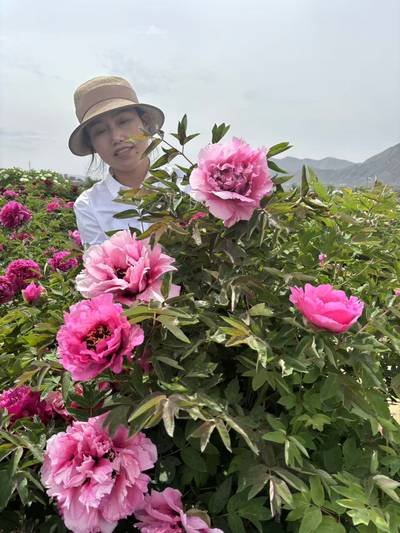
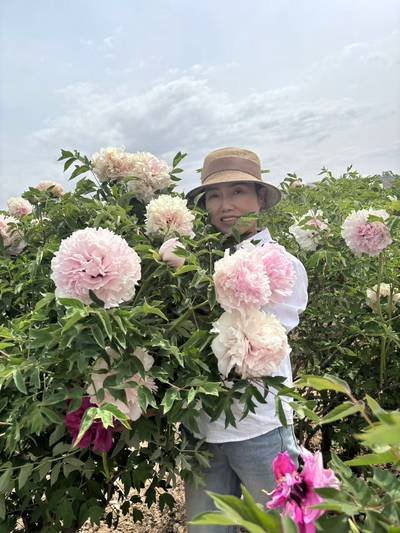
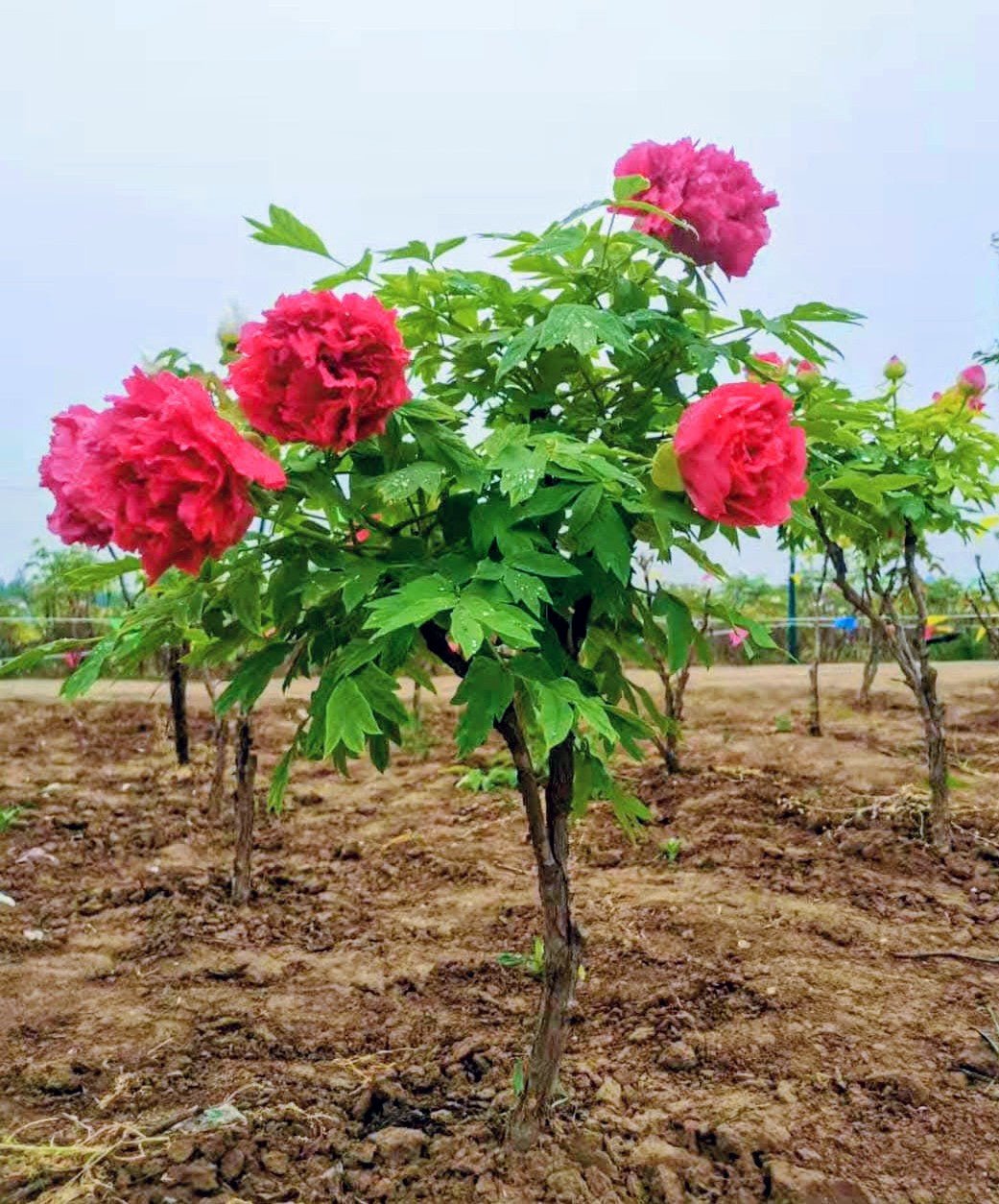
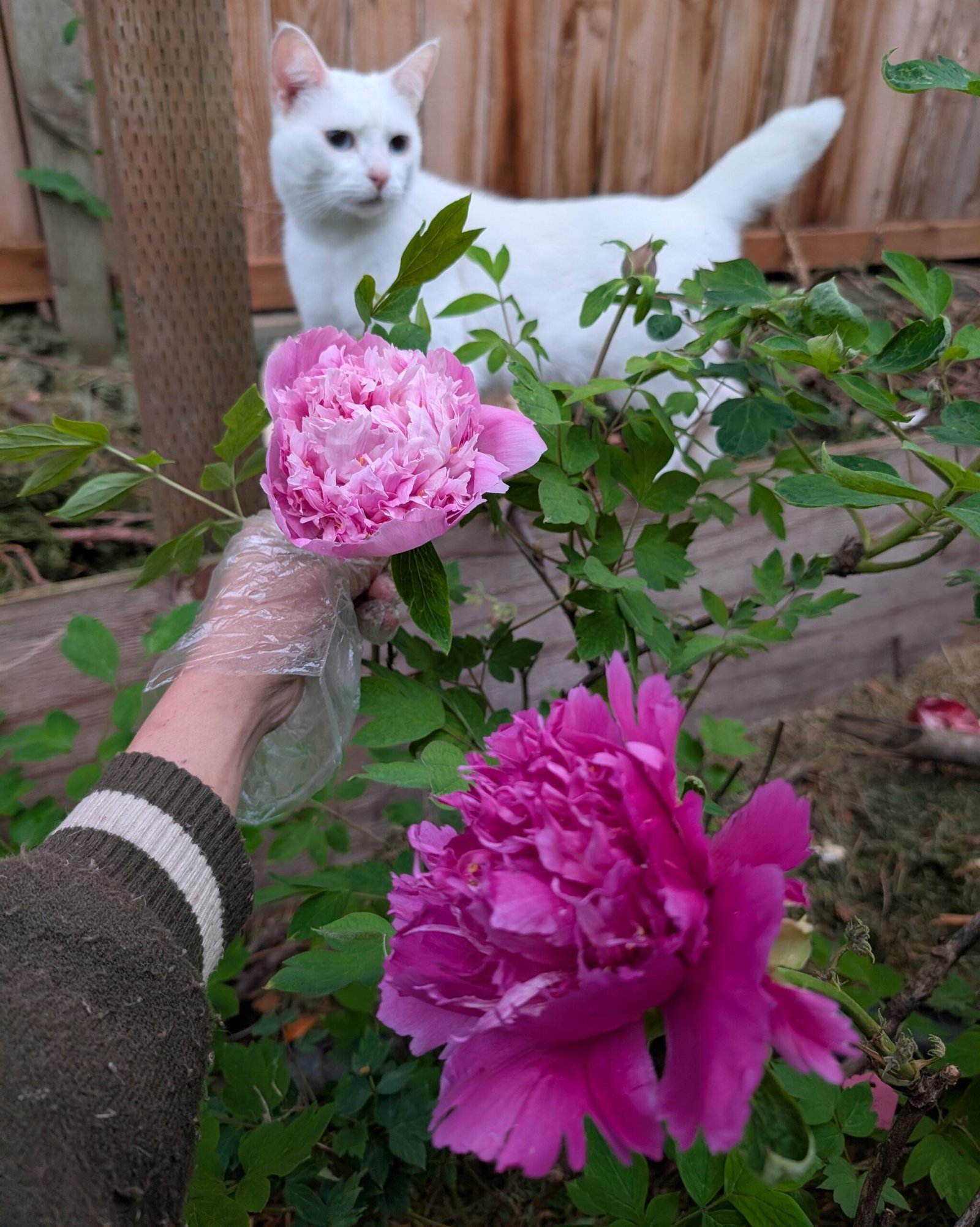
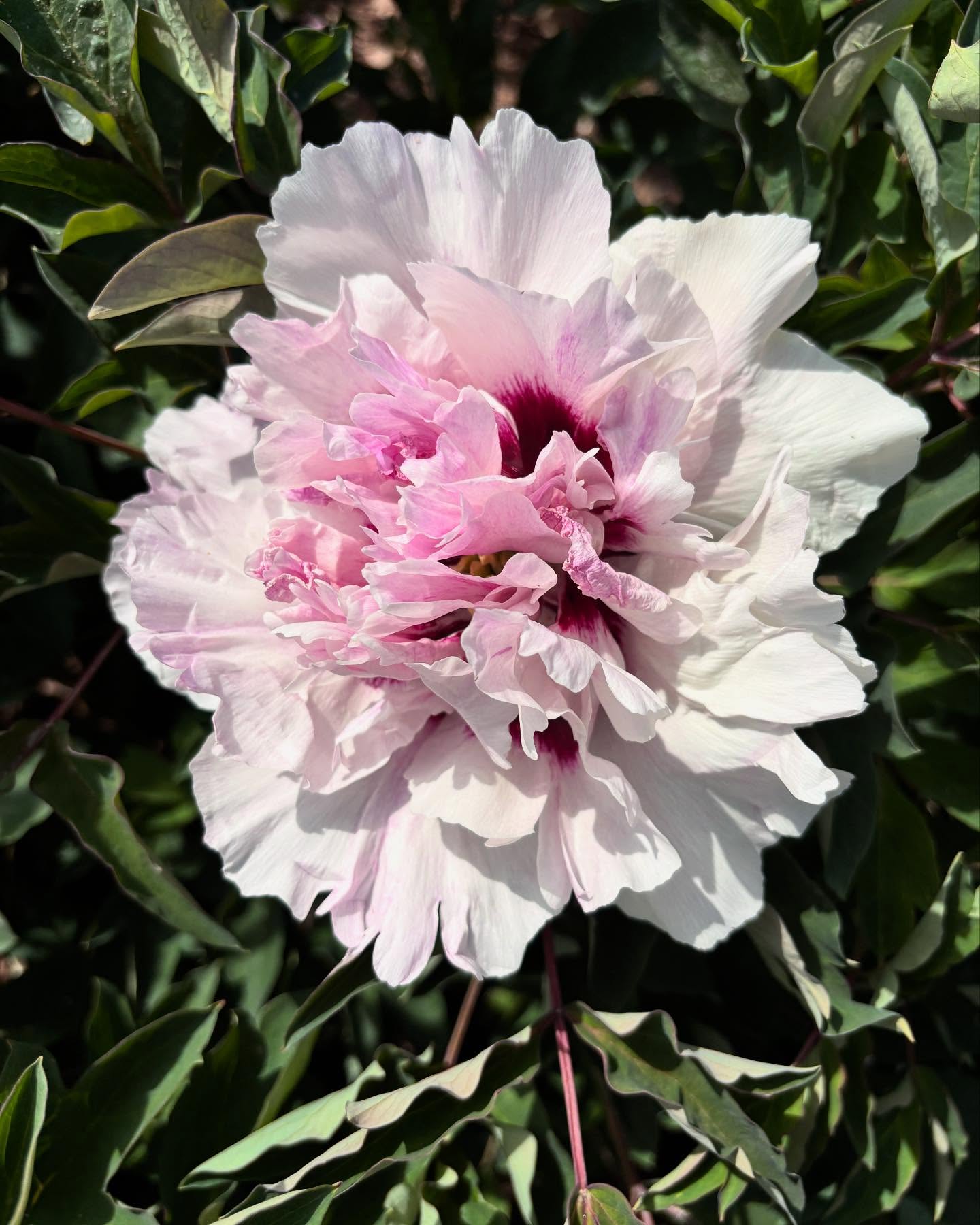
Featured tree peonies
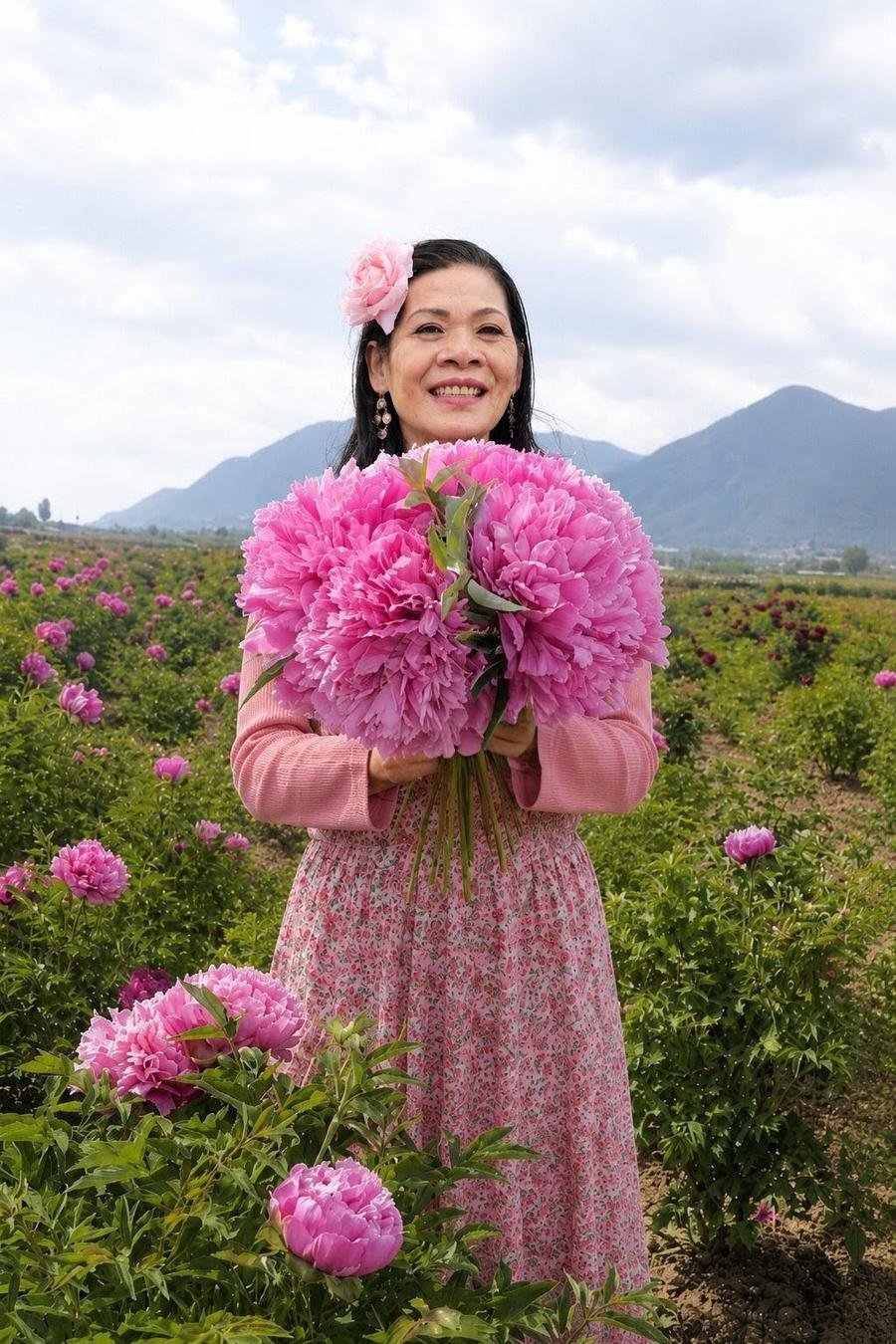

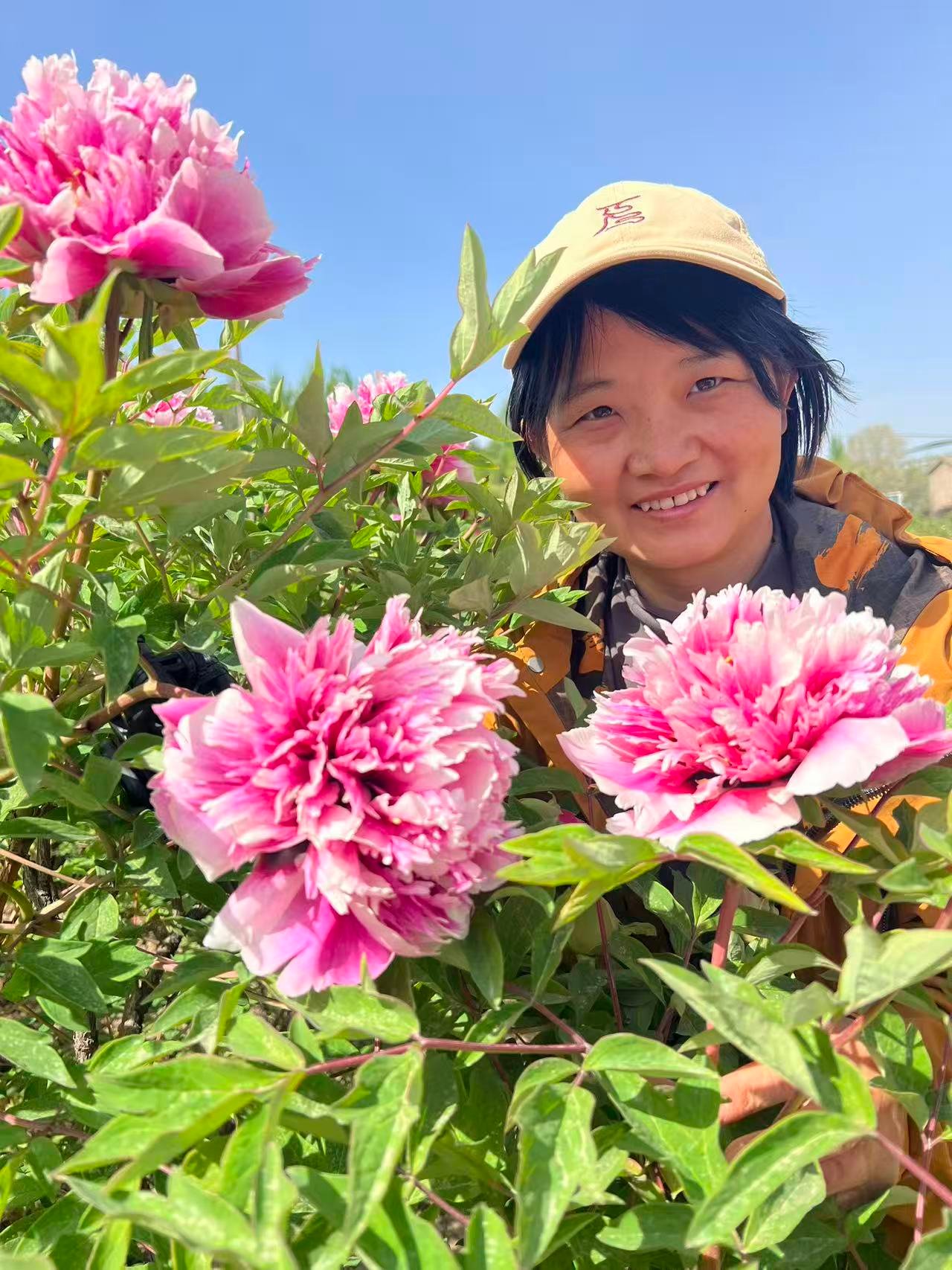



🔬 Did You Know? · Scientific Corner
The tree peony is more than beautiful
For over 1,500 years Paeonia suffruticosa has been grown in China as an ornamental — but it has been grown in medicinal gardens for just as long. Modern laboratories are only now catching up to what those gardens already knew.
Seed oil
Tree peony seed oil is unusually rich in α-linolenic acid — often above 40% of total fatty acids, higher than most culinary oils. Studies have reported anti-tumor, anti-inflammatory, and antioxidant activity in the oil and its extracts.
Root bark
The dried root bark — mudanpi — contains paeonol and paeoniflorin, compounds studied for their effects on inflammation, circulation, and neuroprotection. It has been listed in the Chinese Pharmacopoeia for centuries.
Petals
Peony petals carry anthocyanins and flavonoids — the same pigment families that give berries their color and their antioxidant reputation. In parts of China the petals are still eaten, brewed, or candied.
Shared for curiosity and education. Nothing here is medical advice — please talk to a qualified professional before using any plant therapeutically.
Browse by category

Plants
Variegated plants (coming soon)
Bulbs & Roots
Mushrooms
Edible Plants
Beneficial Insects
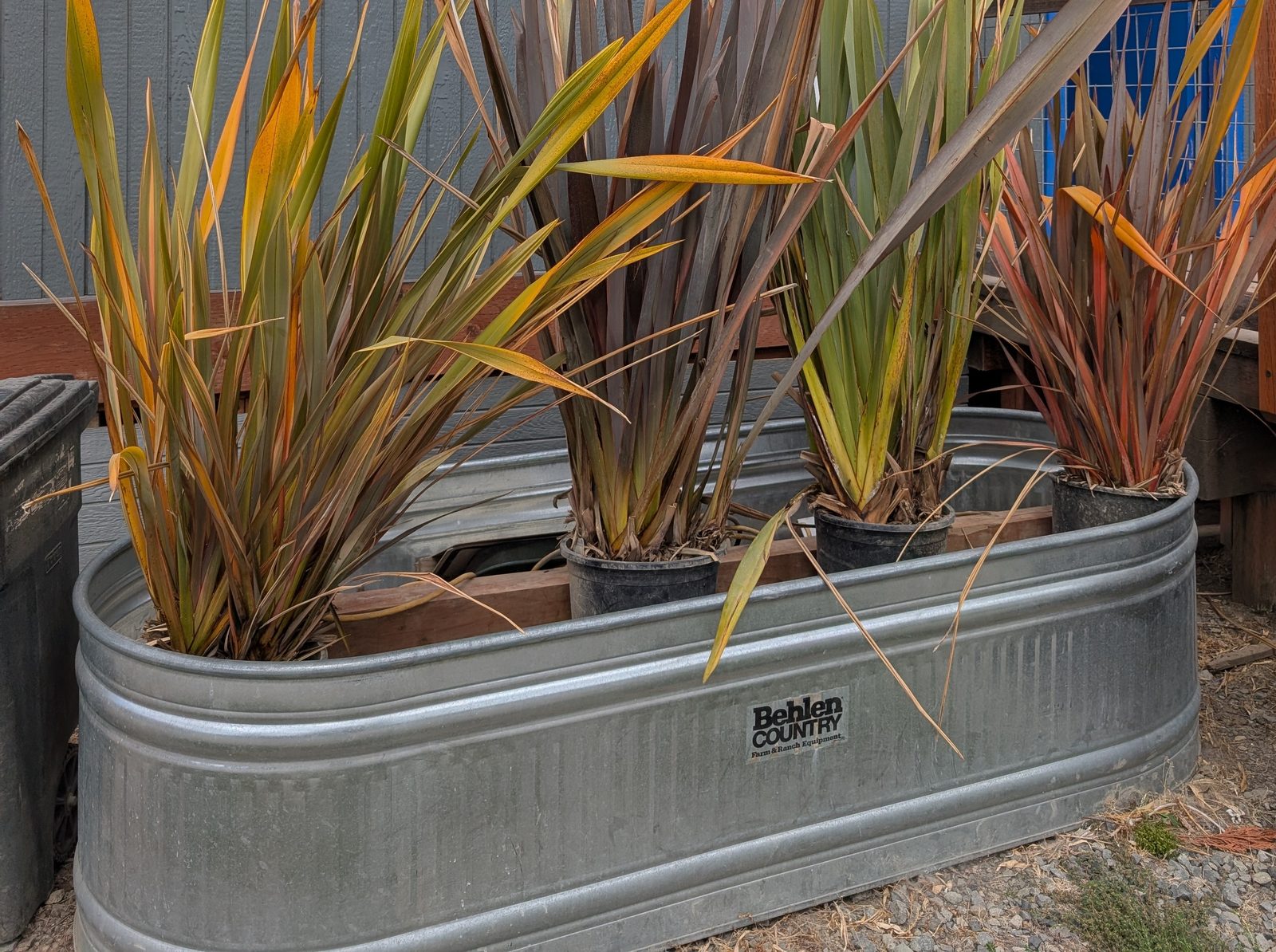
Promotions
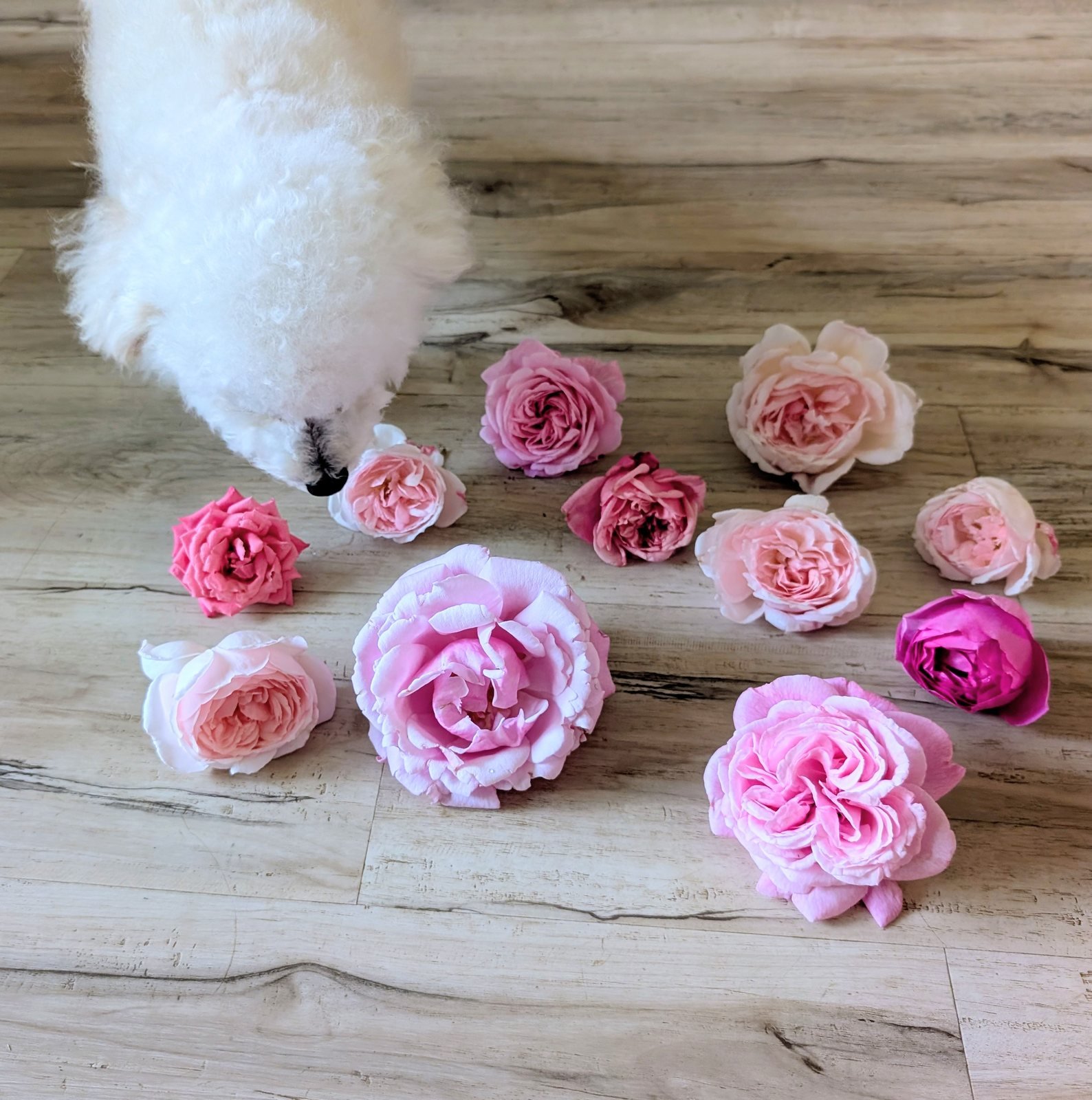
Freebies
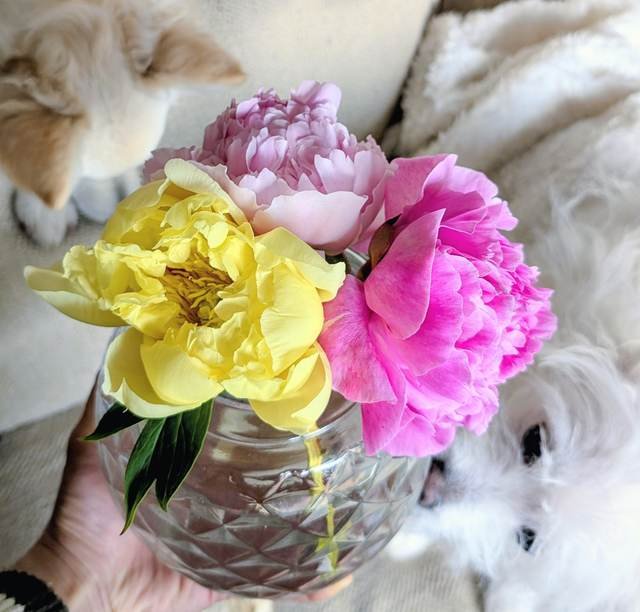
Fresh Flowers
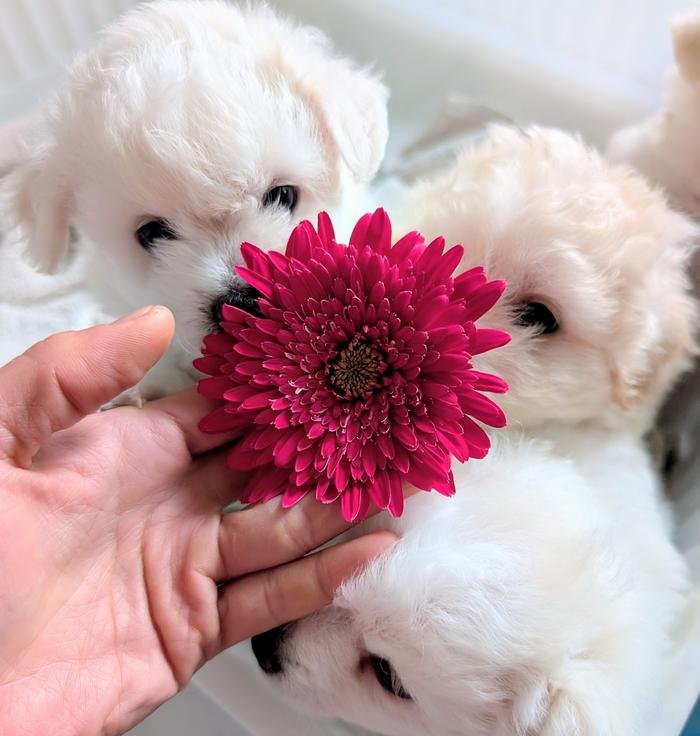
Seeds
Multi-purpose

Flowering Trees
Groundcover
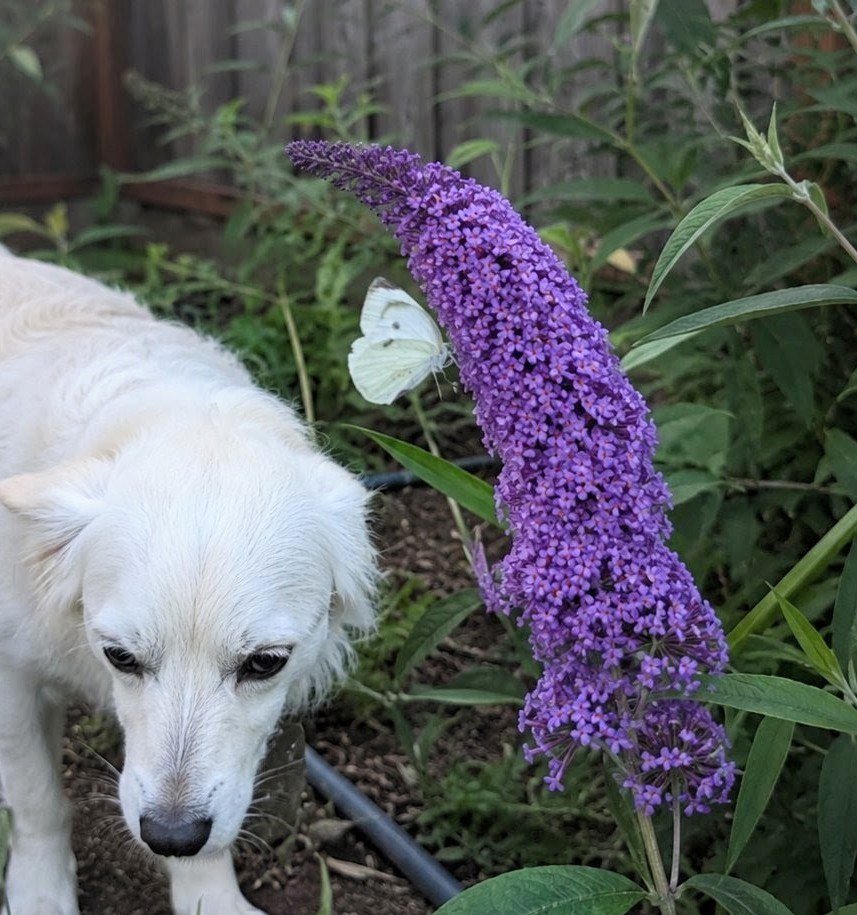
Pollinators Friendly

Climbing Vines
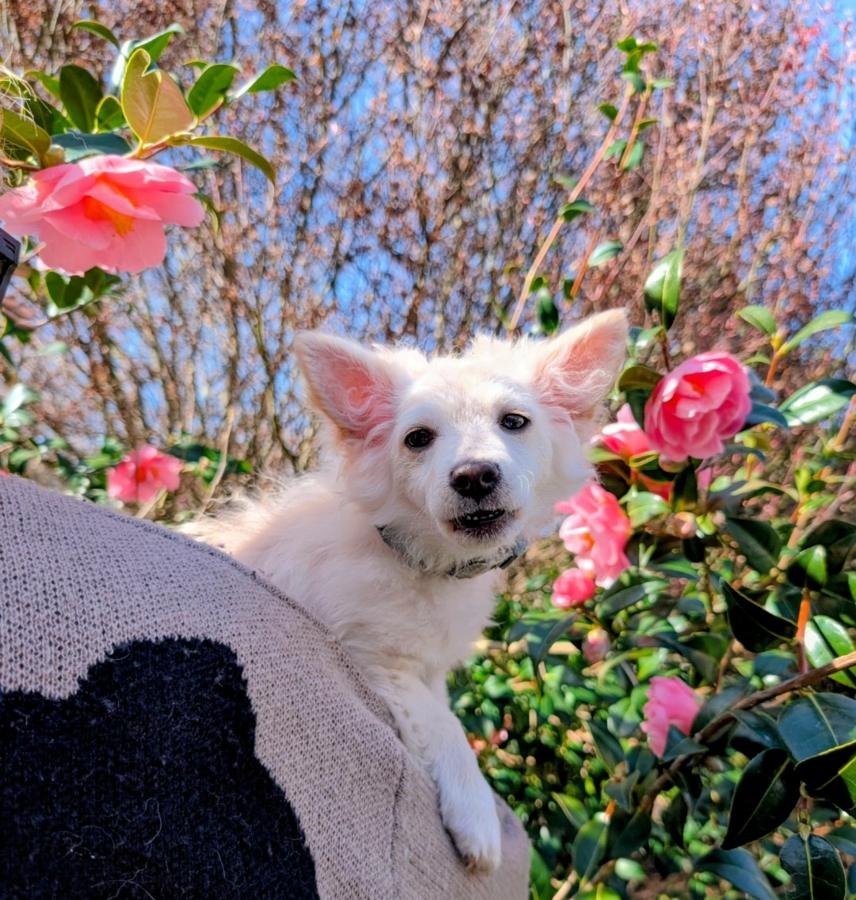
Evergreen Plants
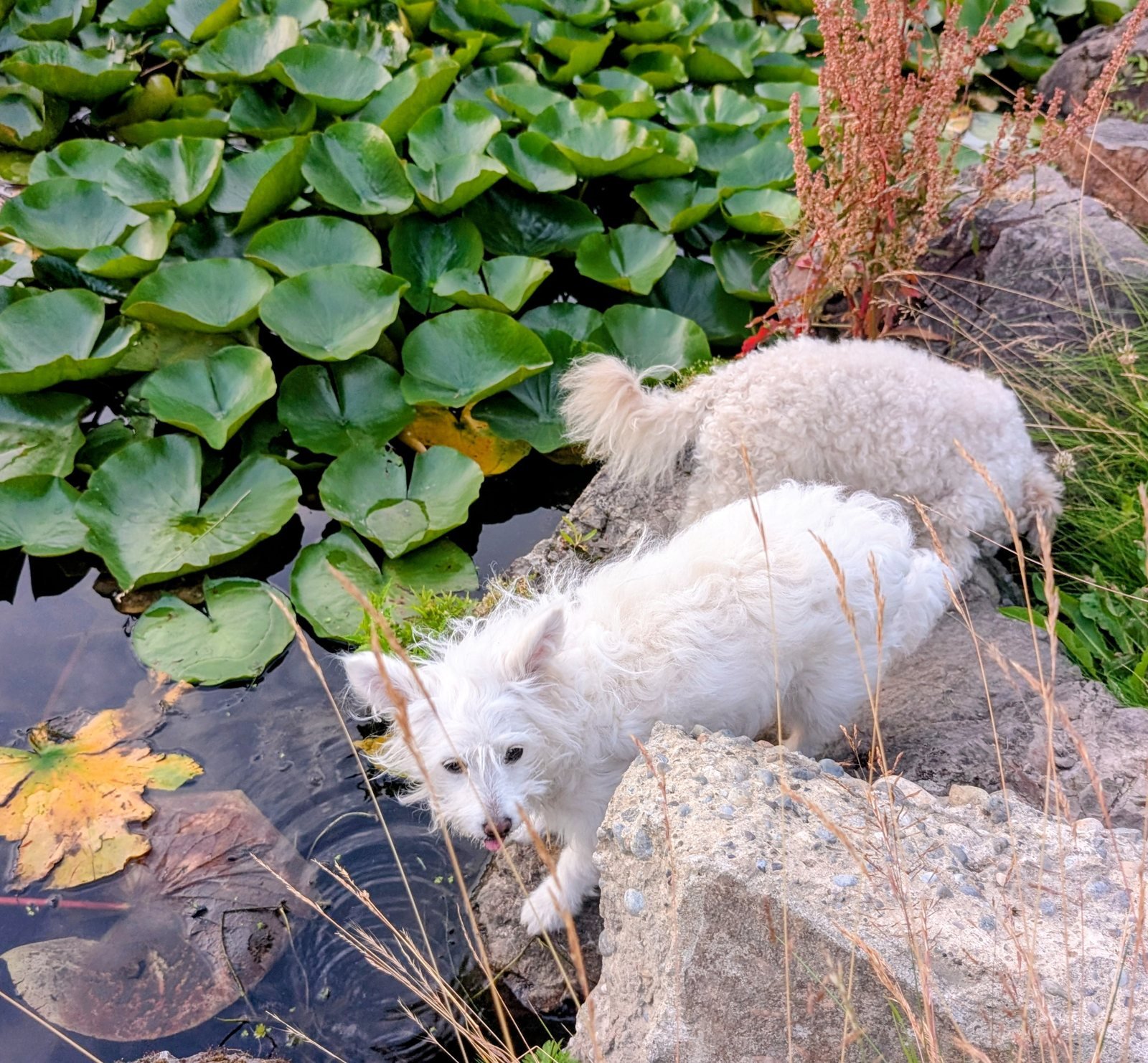
Aquatic Plants

Algae
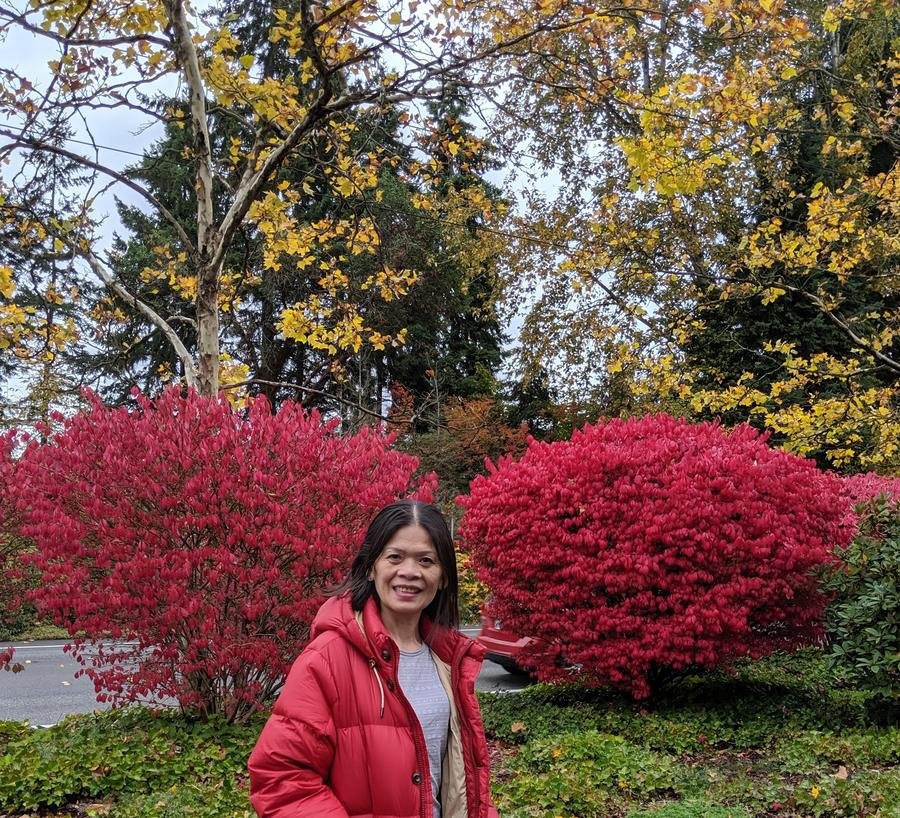
Deciduous plants
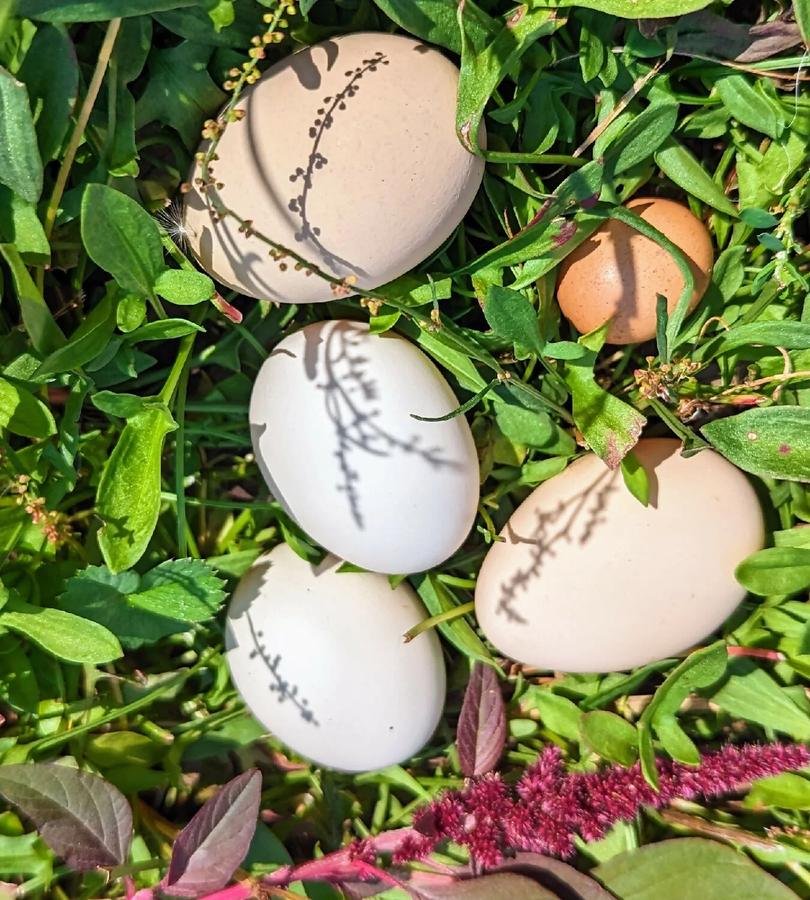
Eggs

Annuals
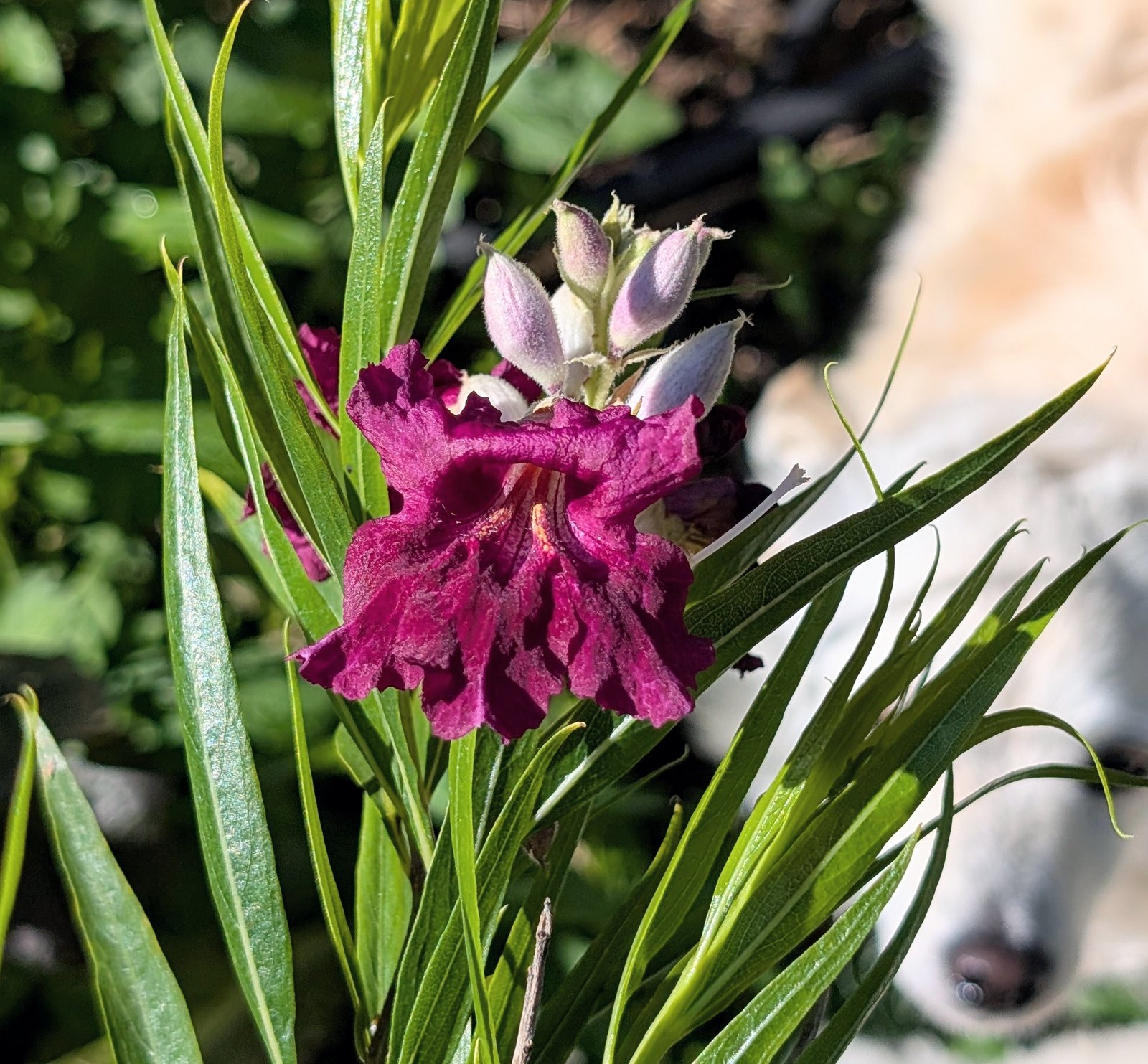
Drought resistant

Lost tag plants
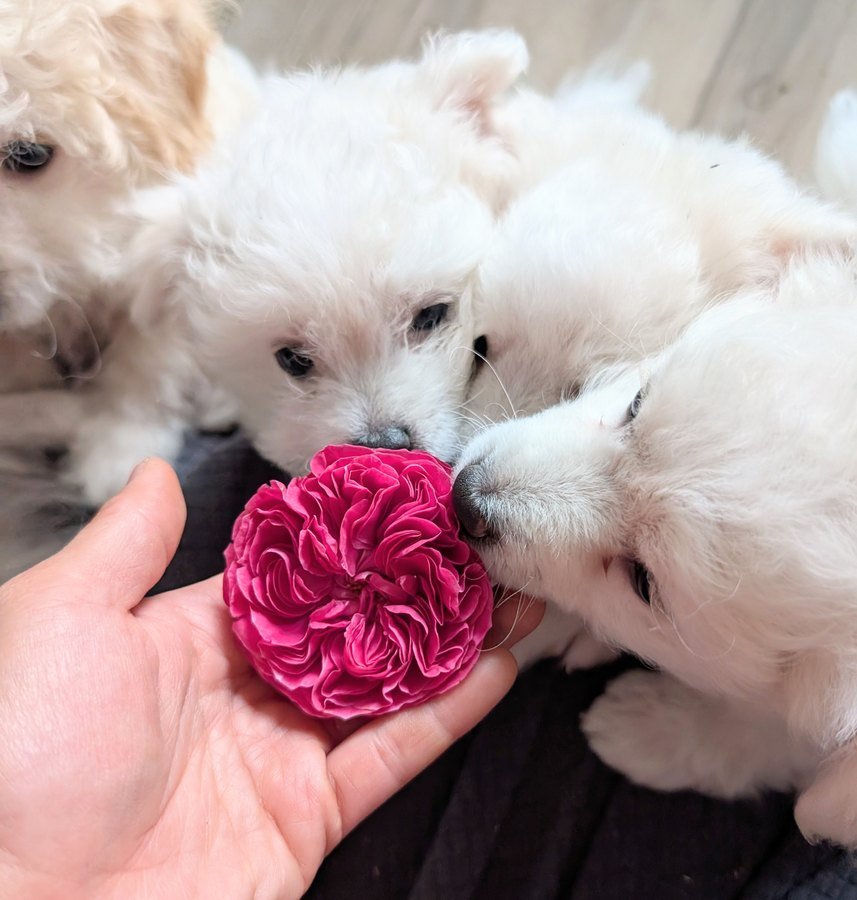
New Asian varieties
Rare Korean, Japanese, and Chinese varieties — delicate forms, rich fragrance.
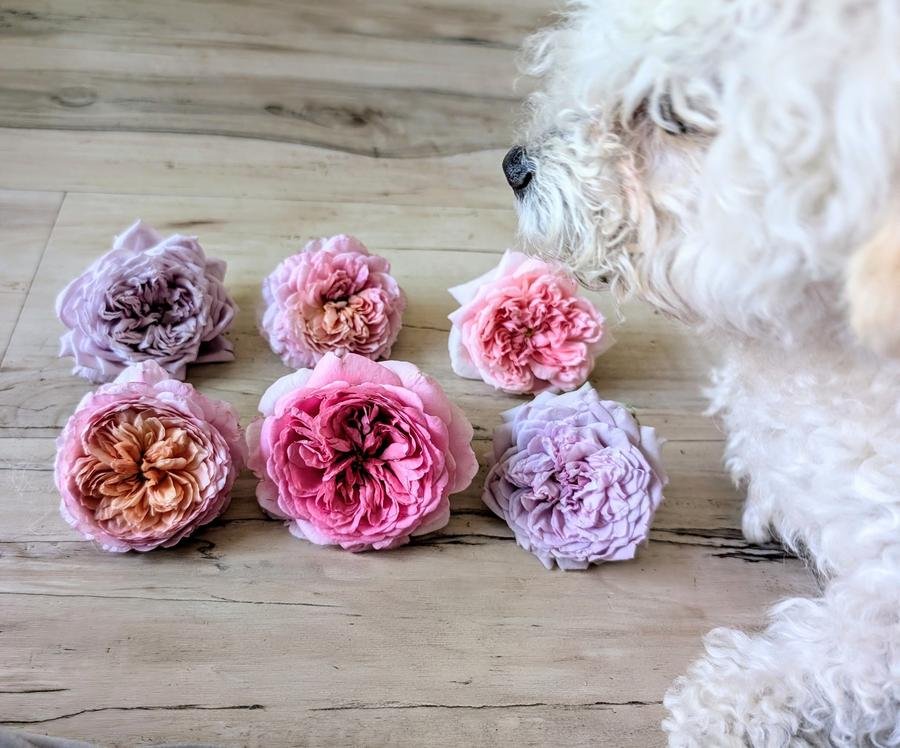
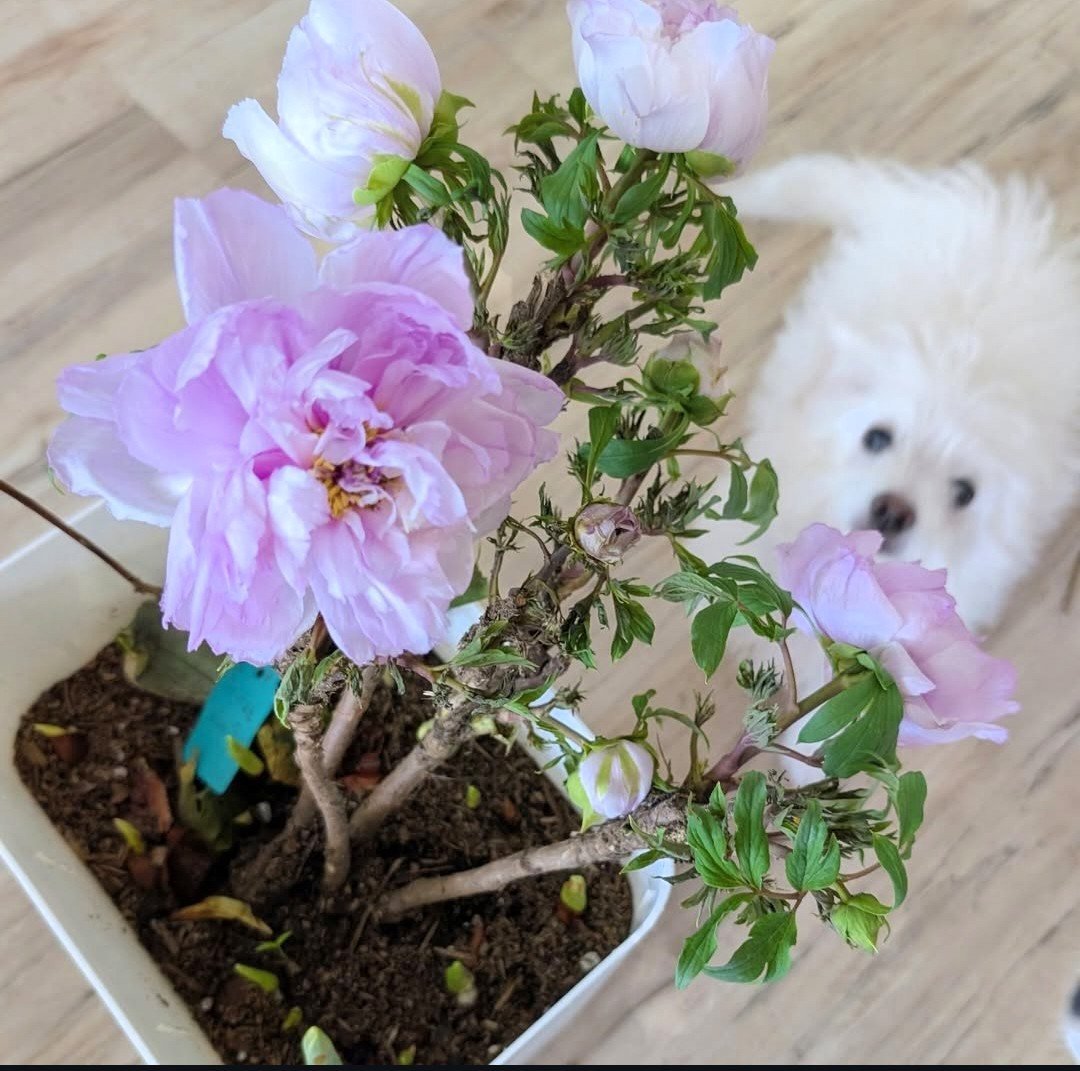
Prosperous Family with Mika
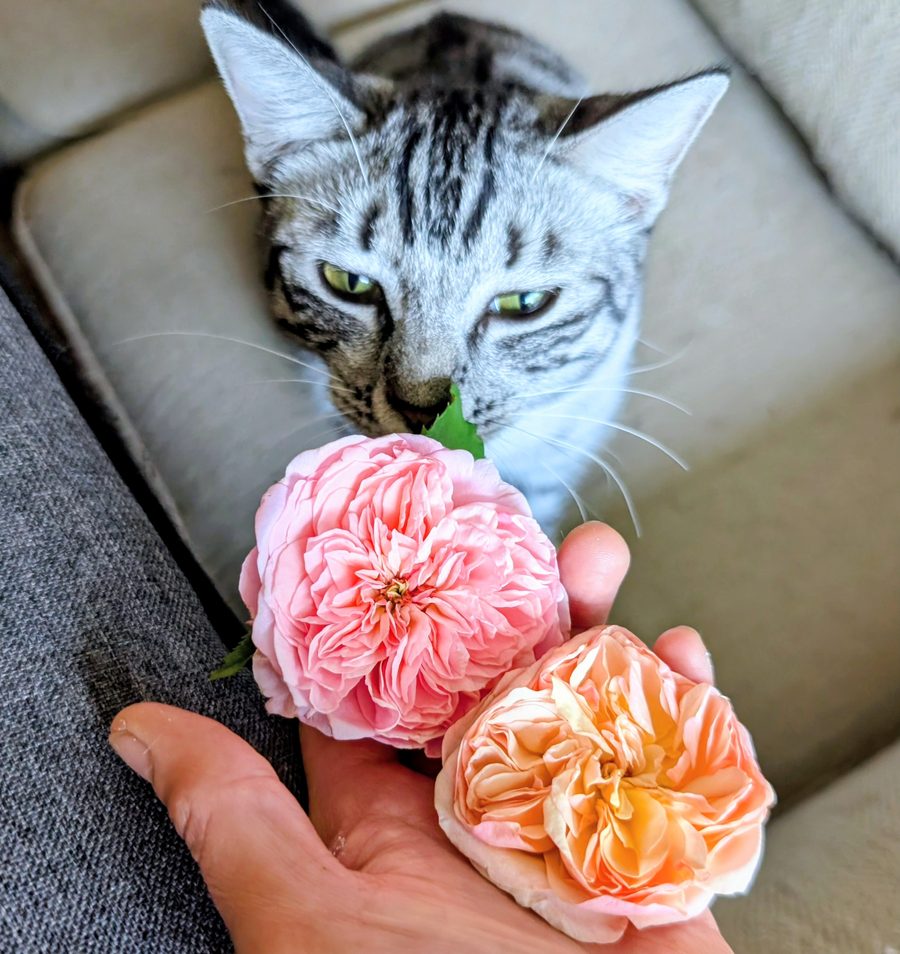
Romeo and Jul (Ausjameson) with Lina
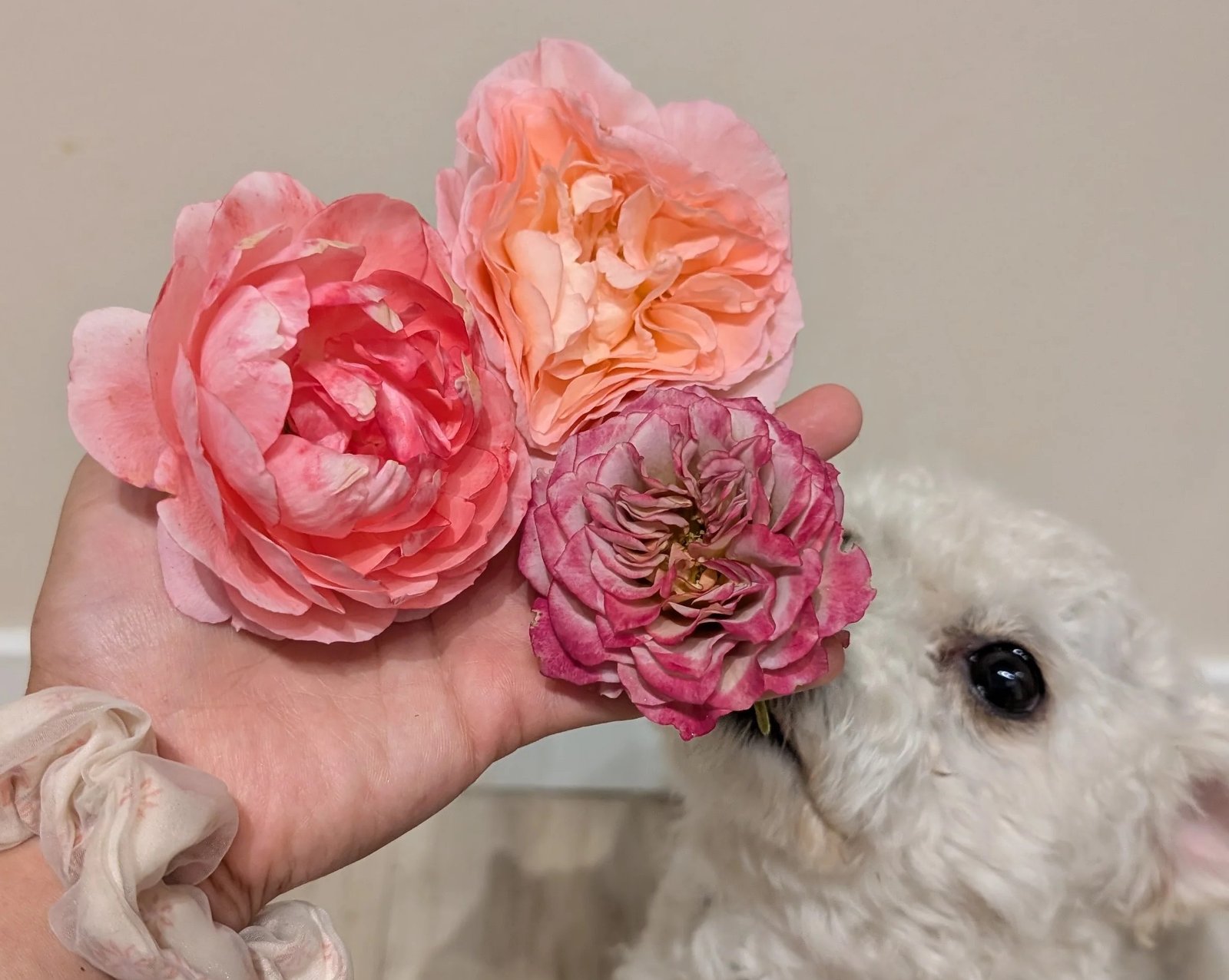
The Nature with Valo
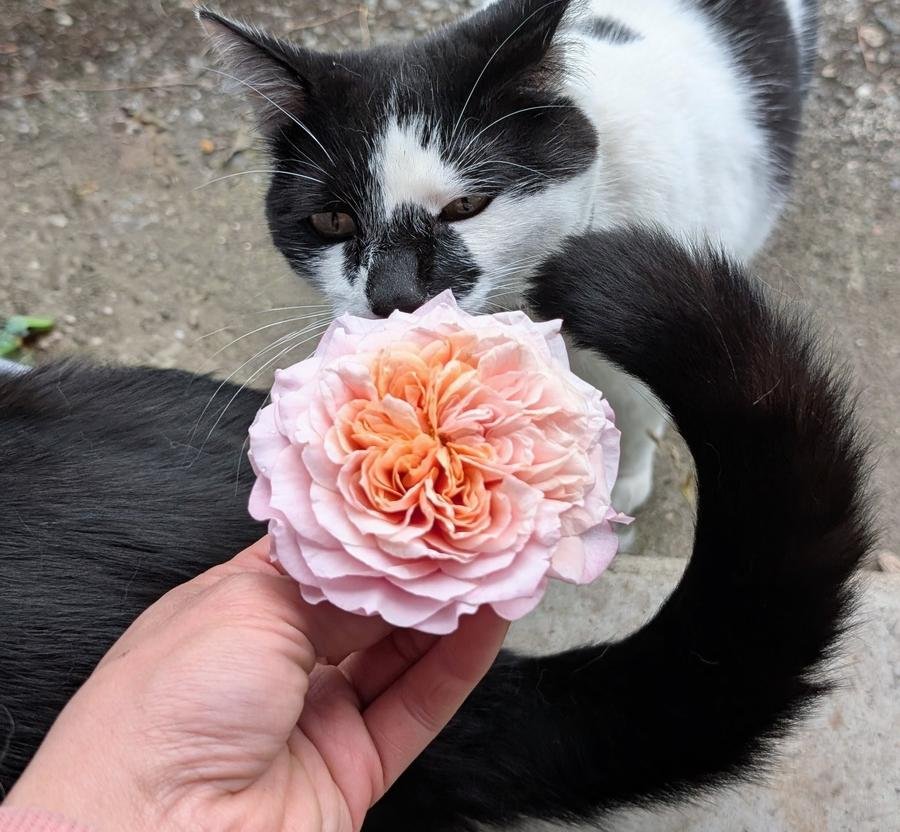
Miyabi Brown with Polka
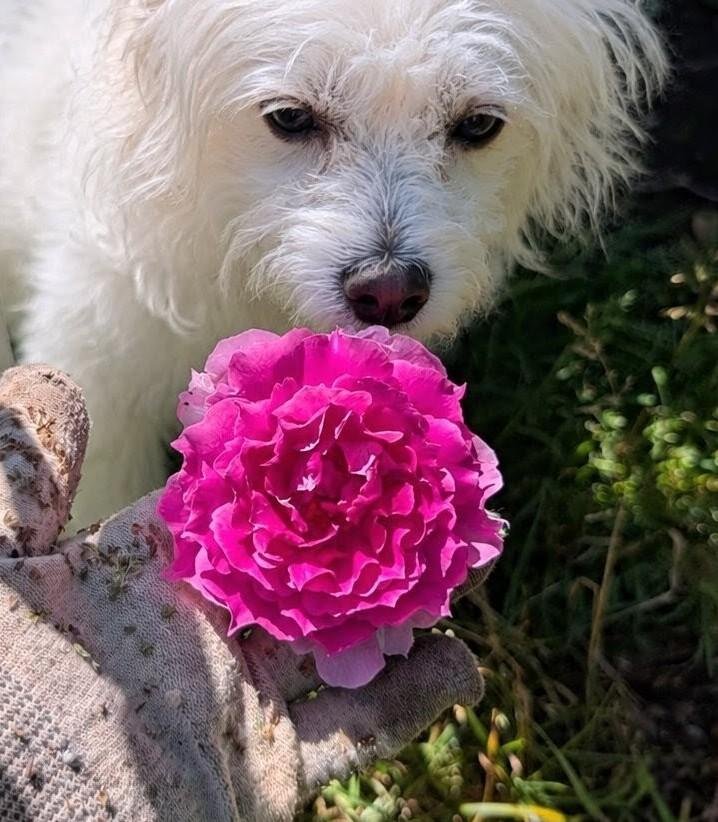
Sheherazade with Mika
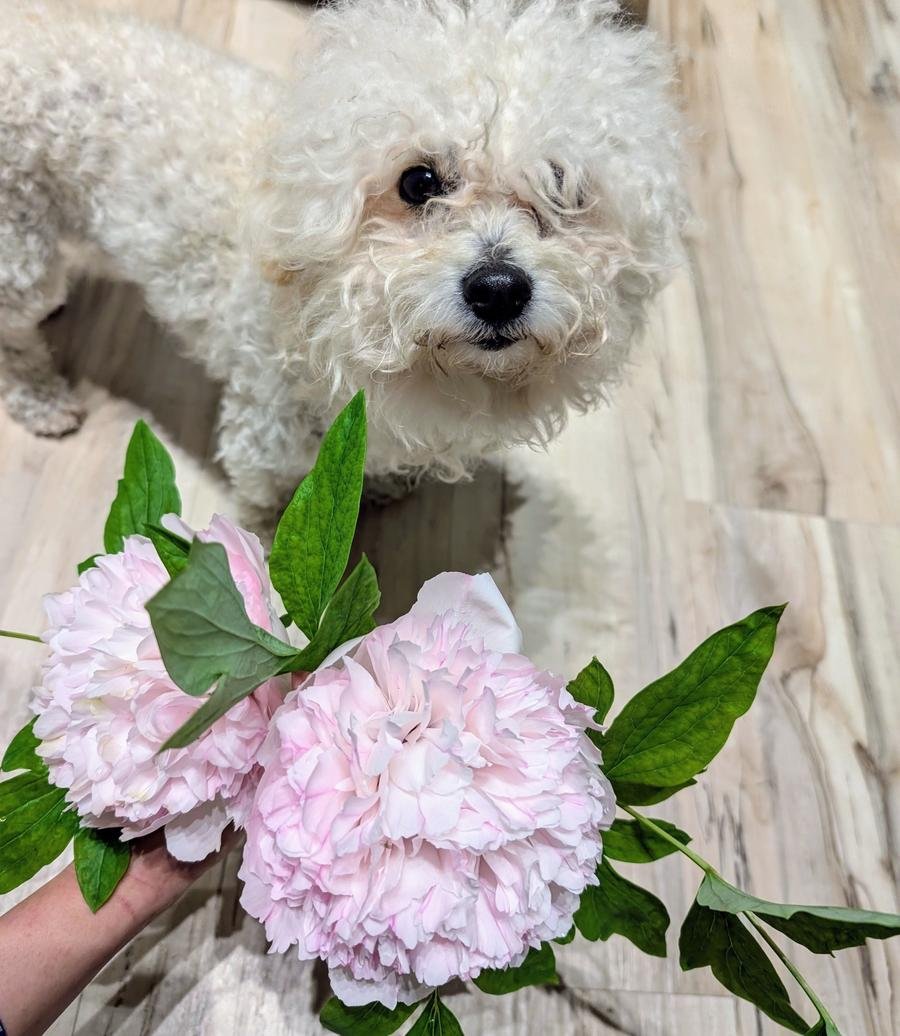
Hong Xian Nu with Valo
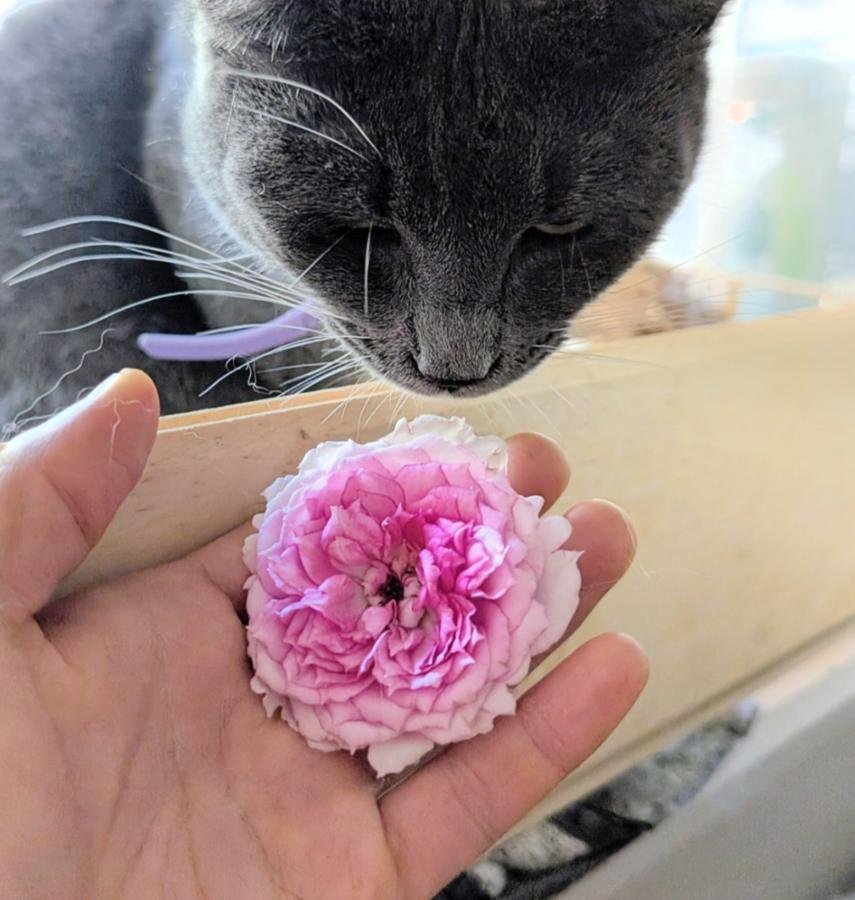
Doniazade with Mimi

Tsumugi with Gicor
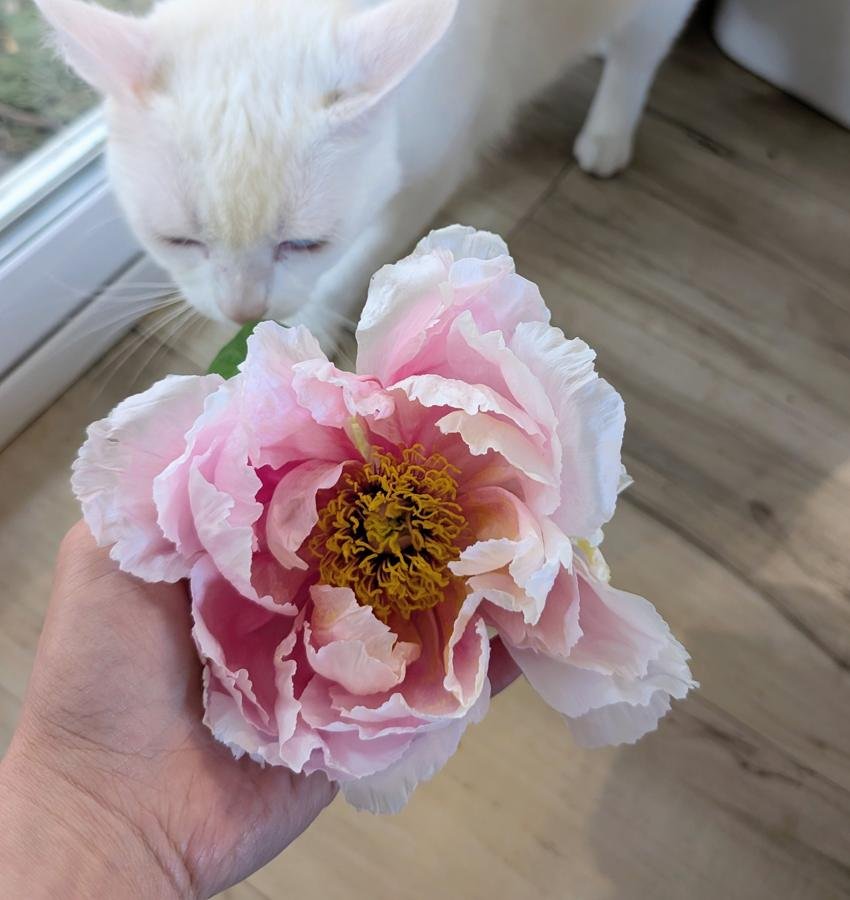
Hanakisoi with Eyra
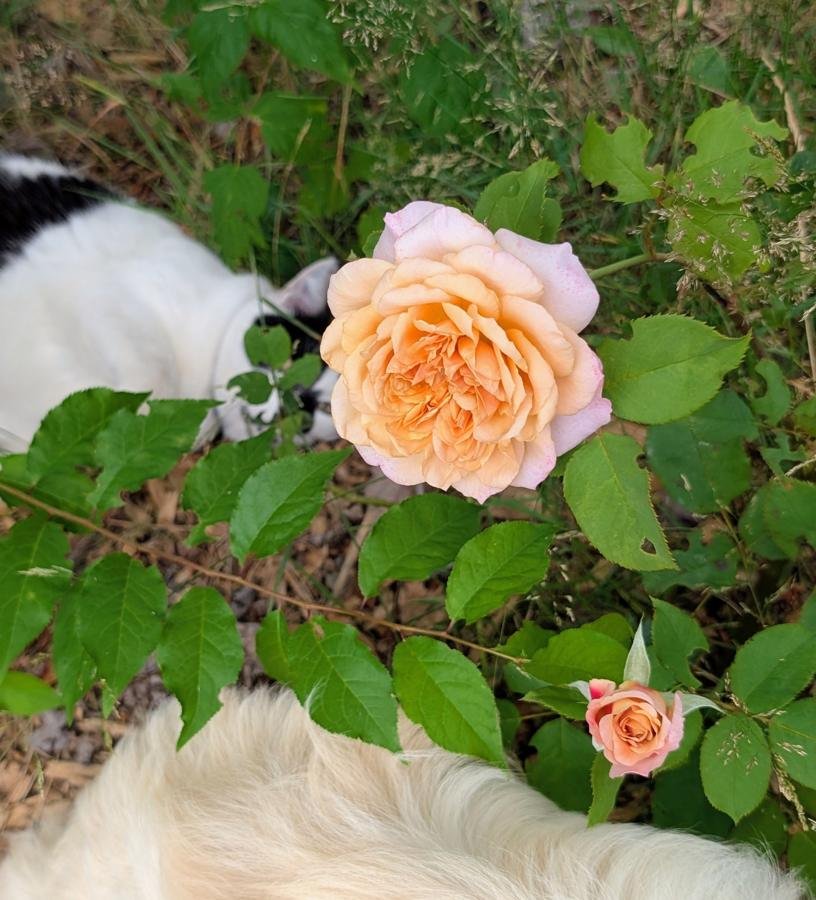
Tsukitohana with Polka
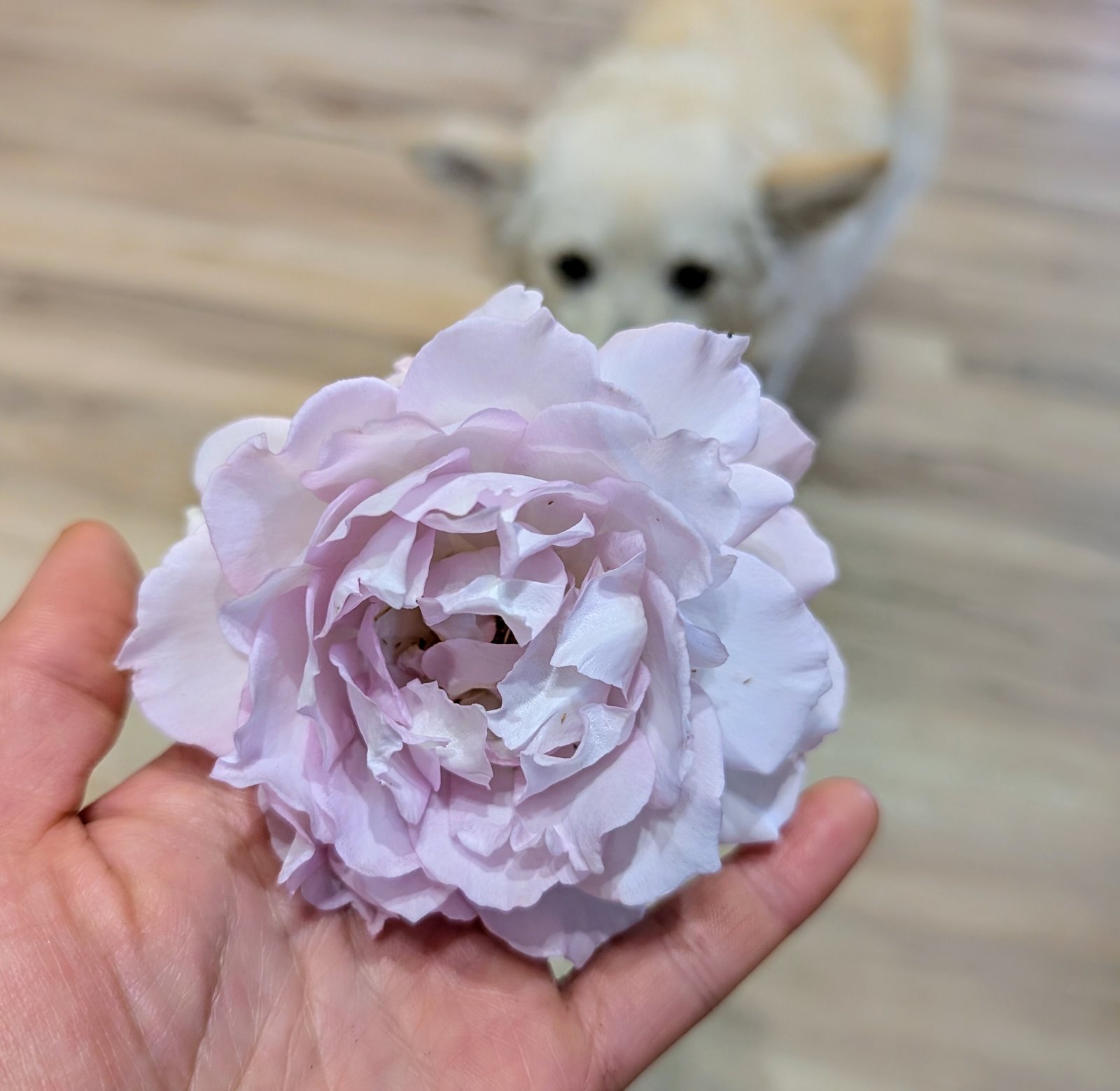
Lu Ningxiang with Kaori
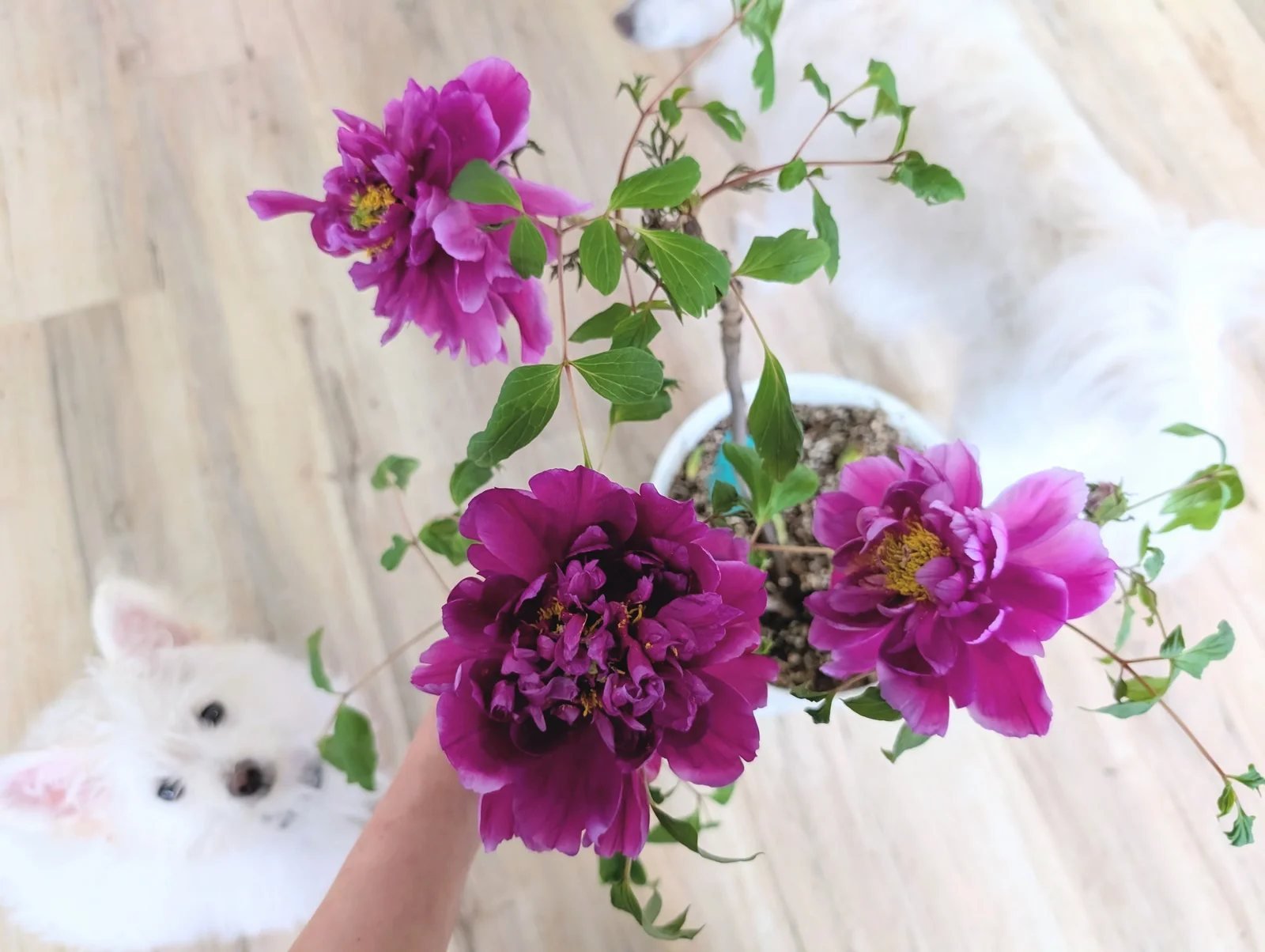
Guan Qun Fang with Yuki and Mika
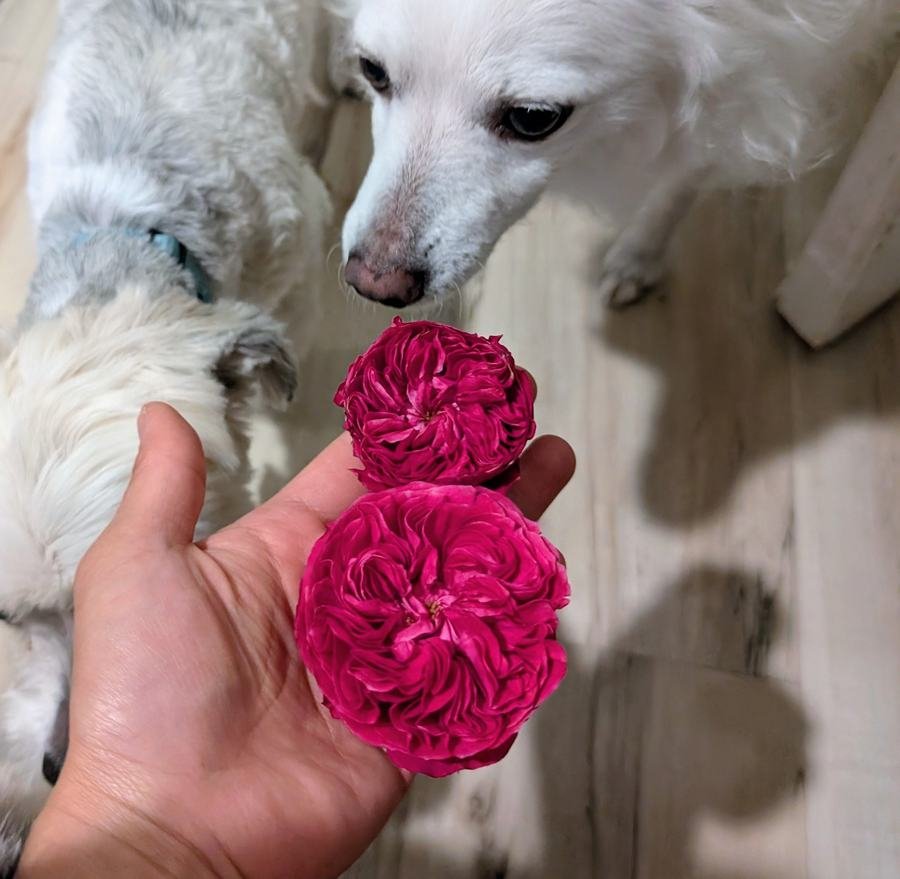
Yves Cantina with Yuki
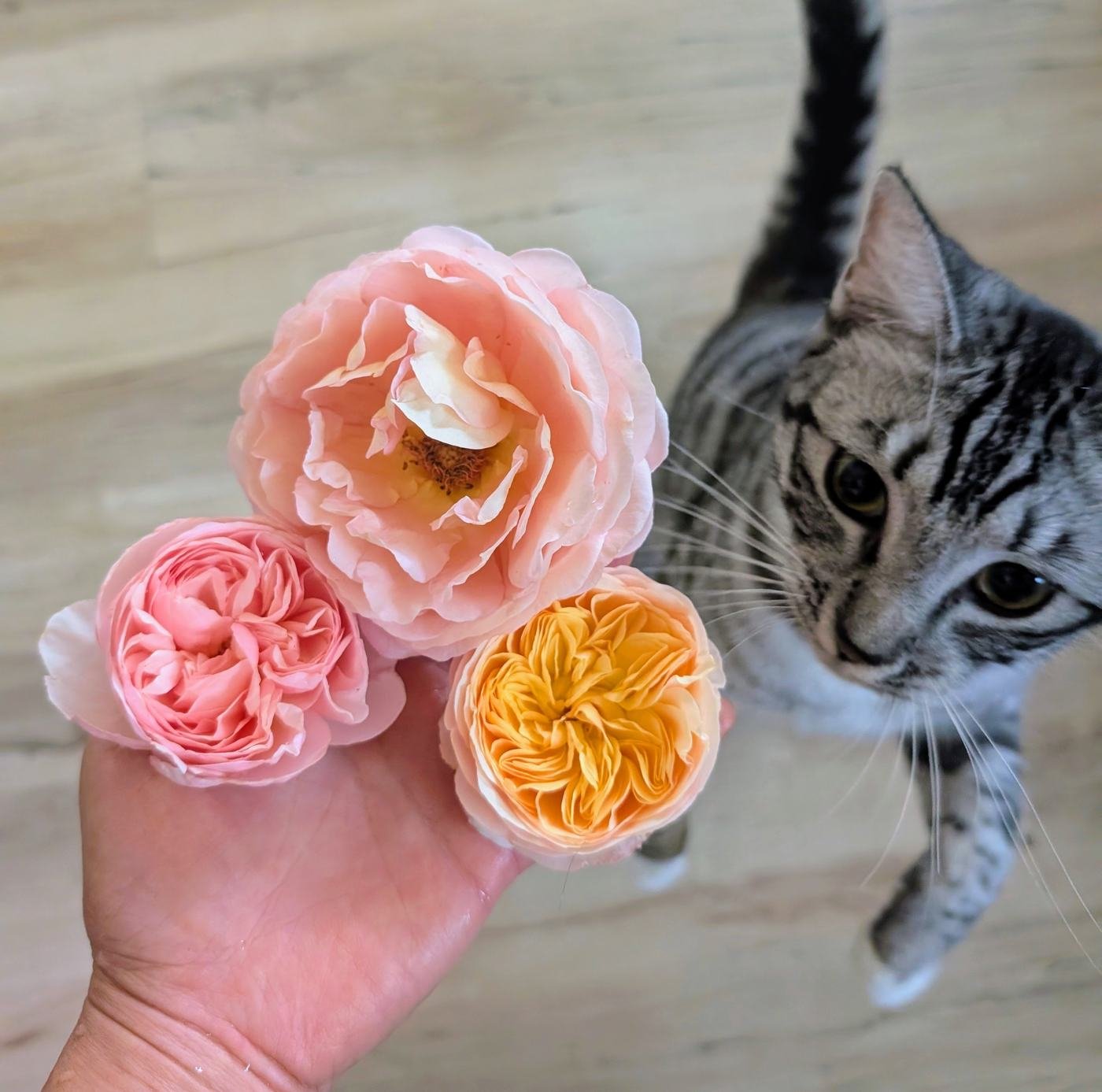
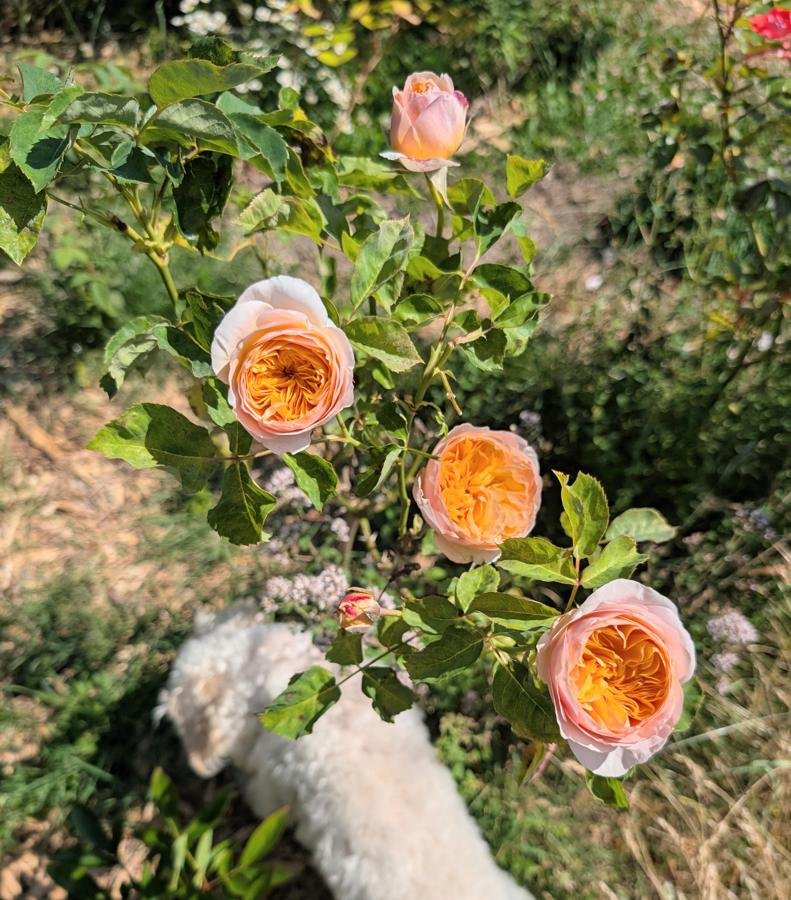
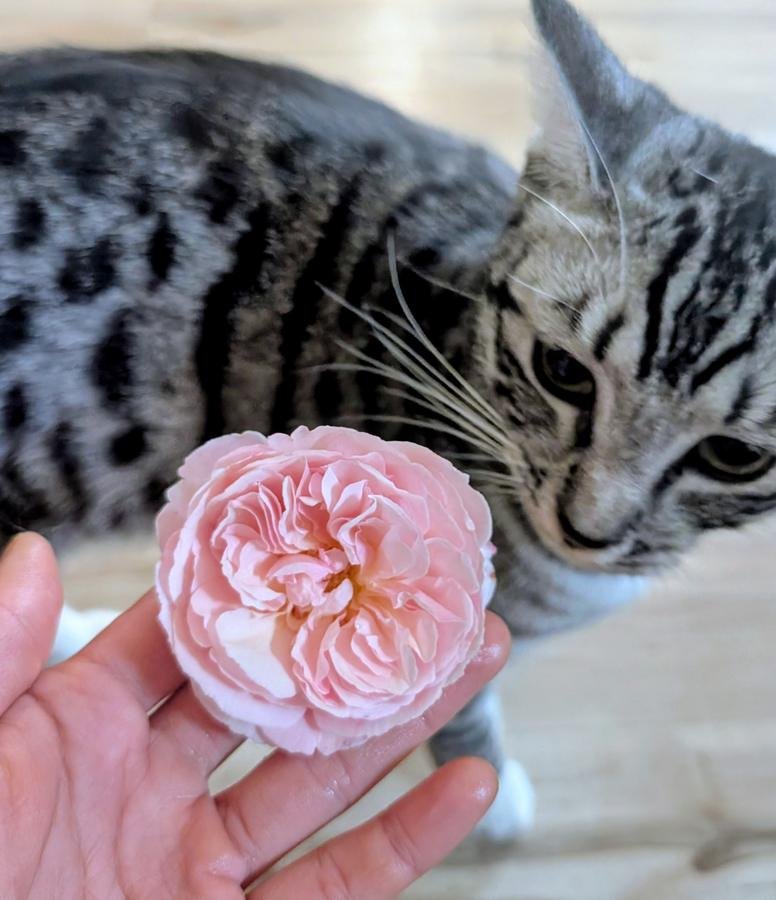
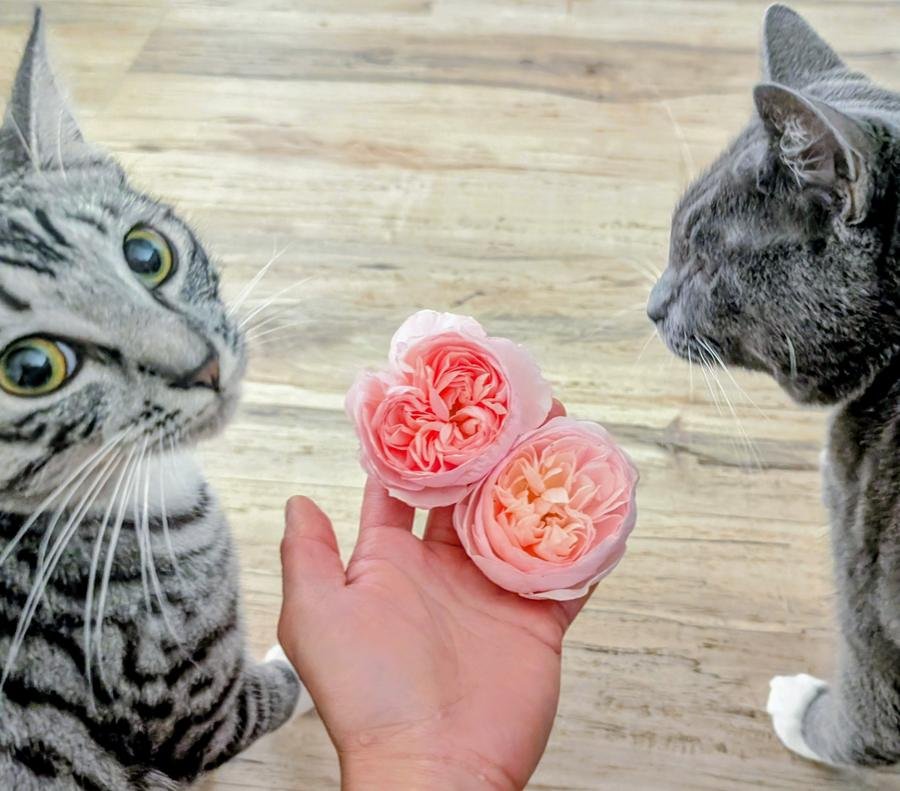
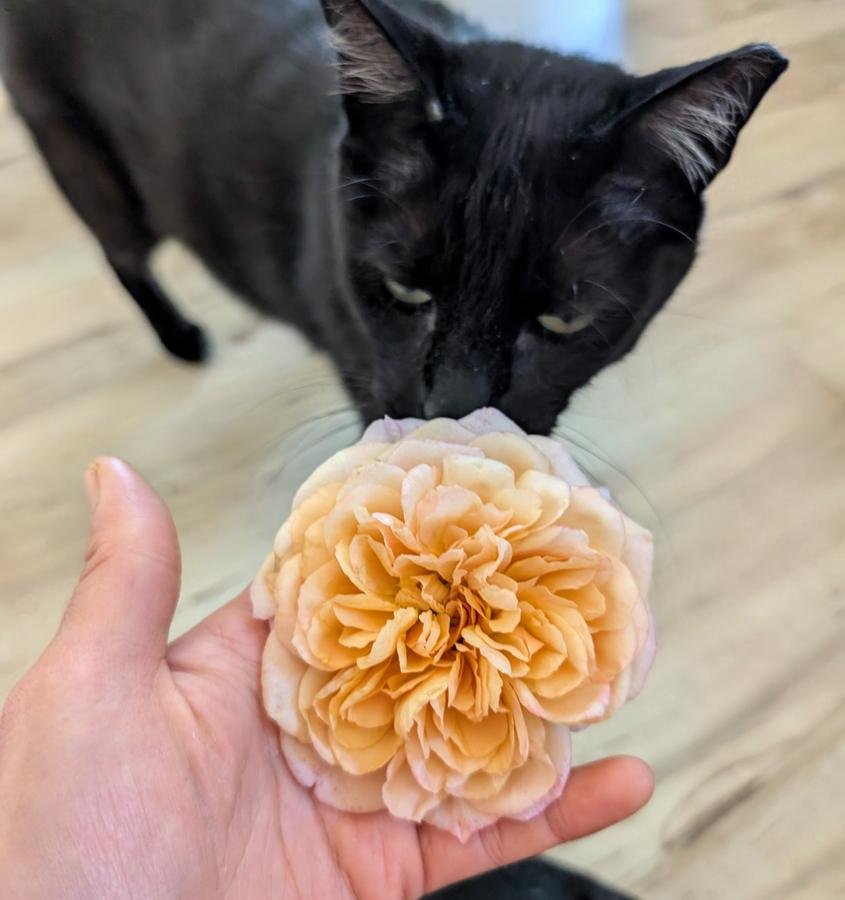
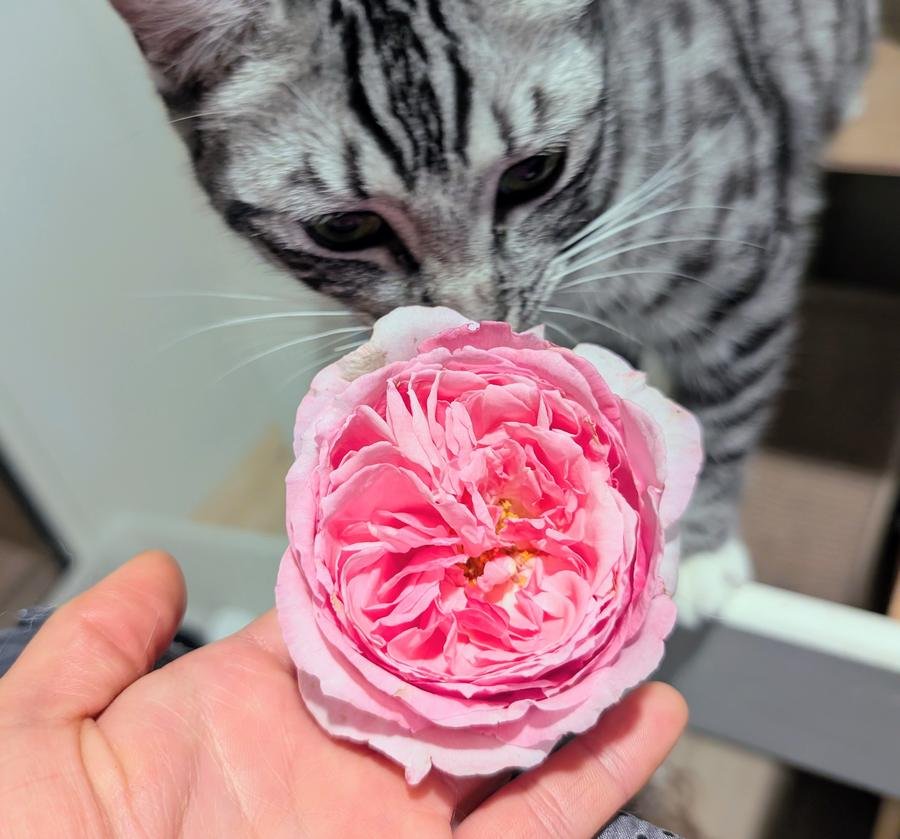
English roses
Classic old-rose form and fragrance, bred for the modern garden.
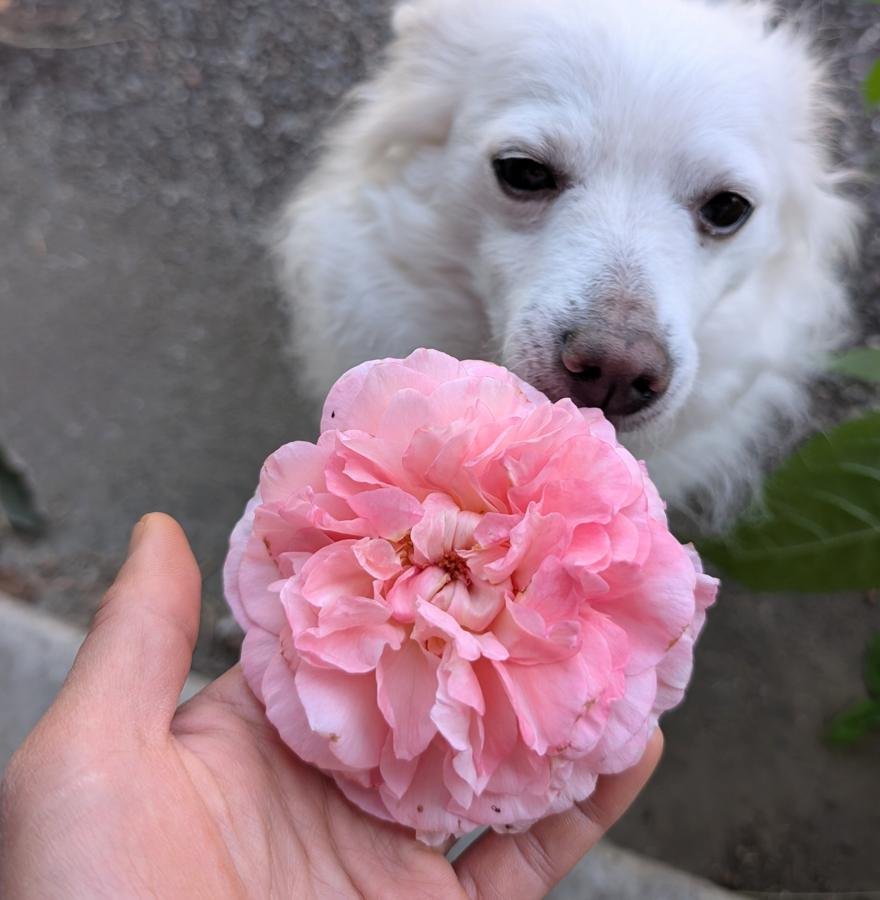

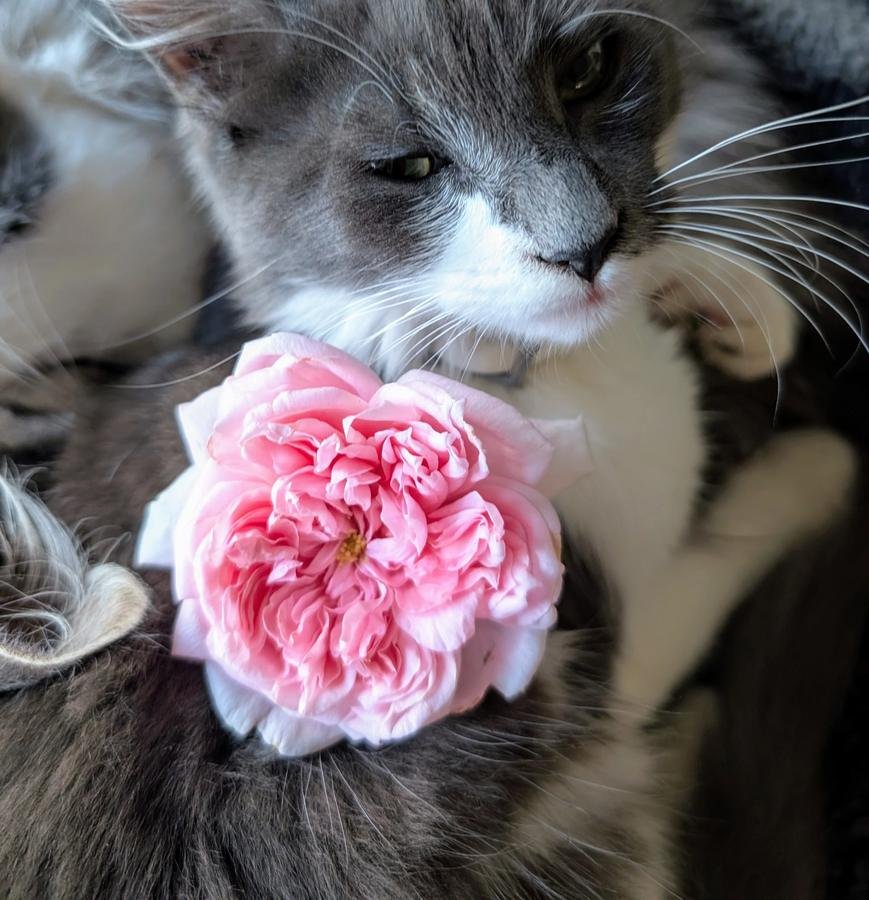
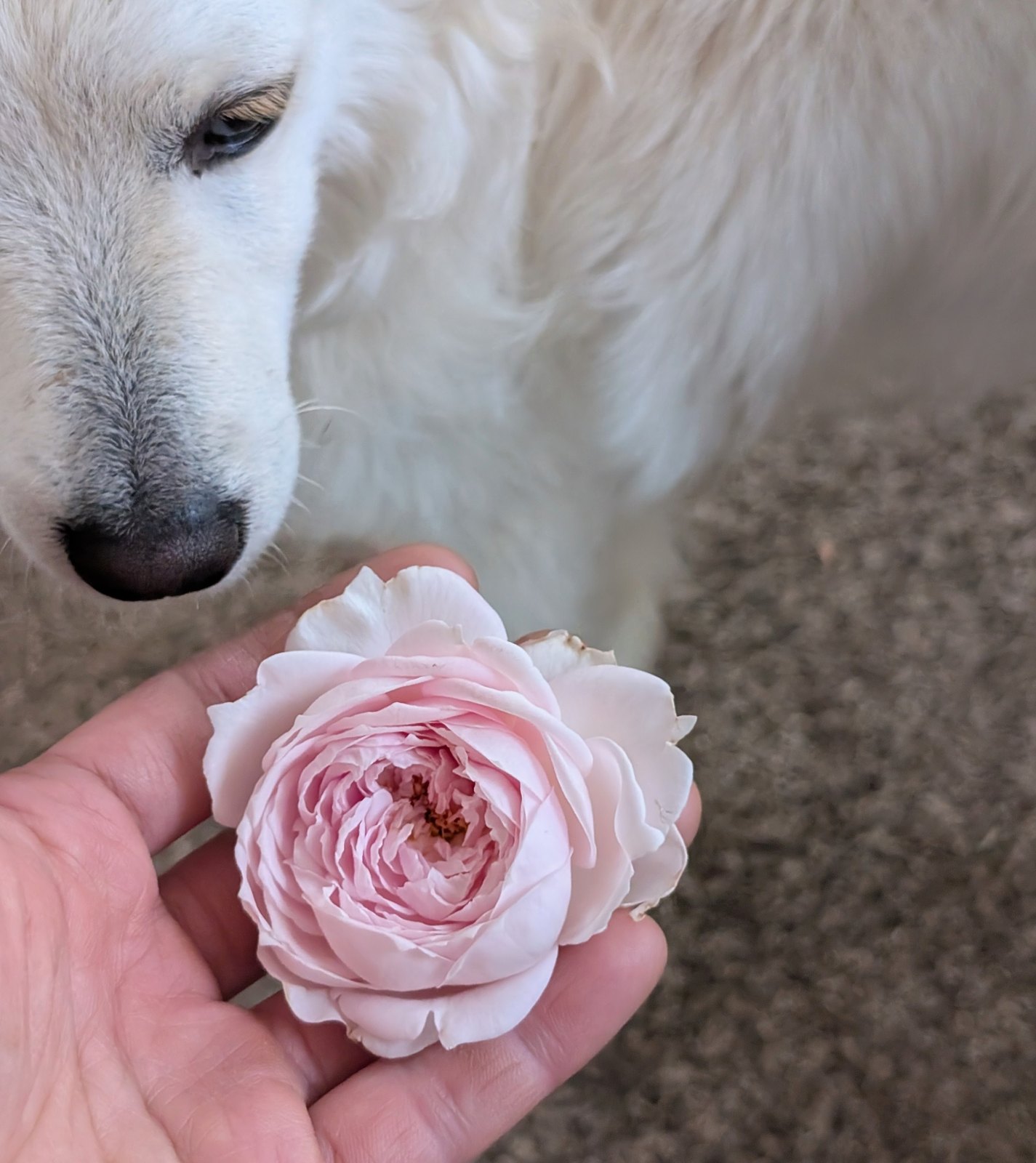
German roses
Bred for disease resistance and hardiness, in the long German tradition.

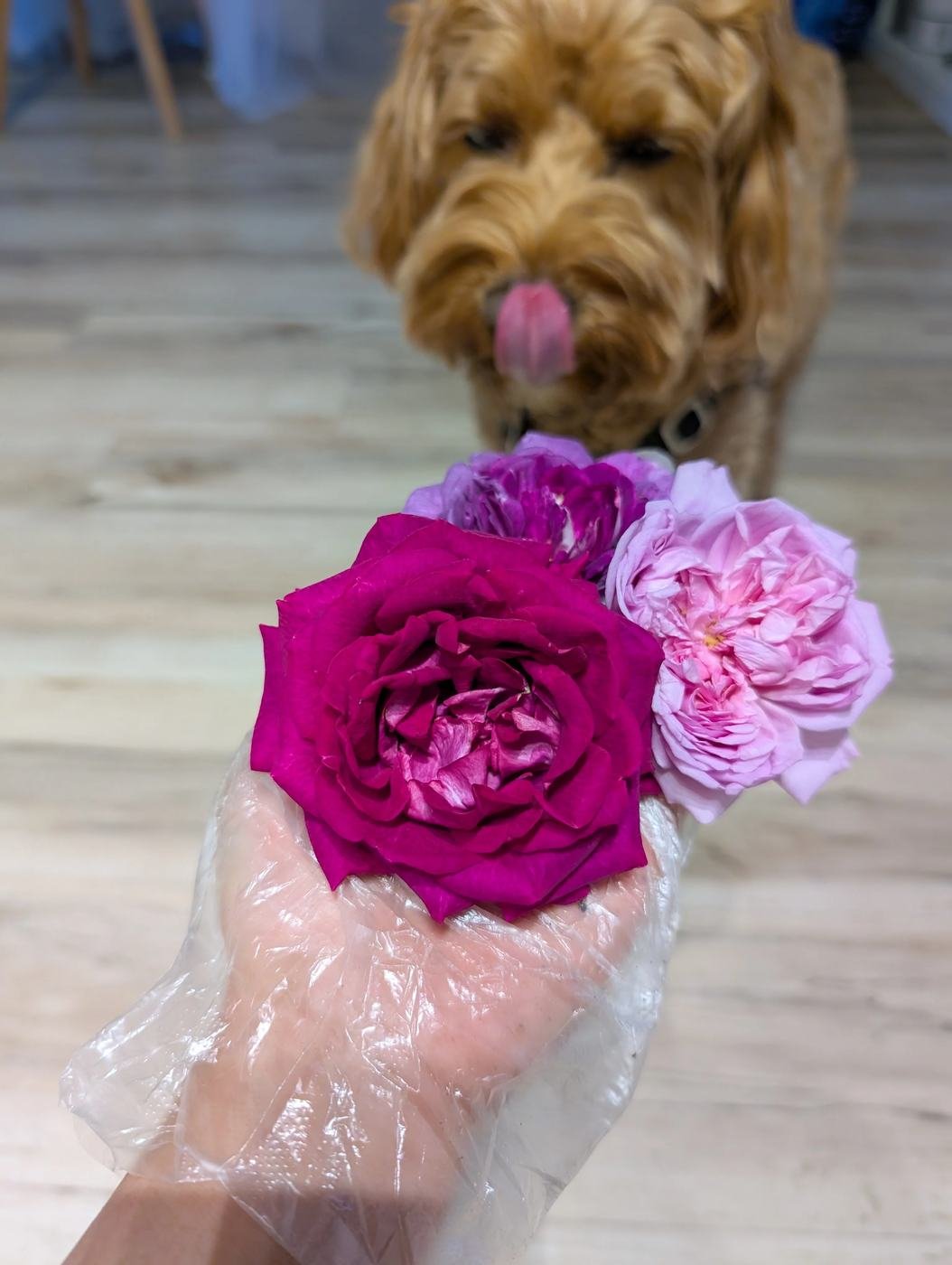
French roses
The French lineage — bold form, deep color, powerful perfume.
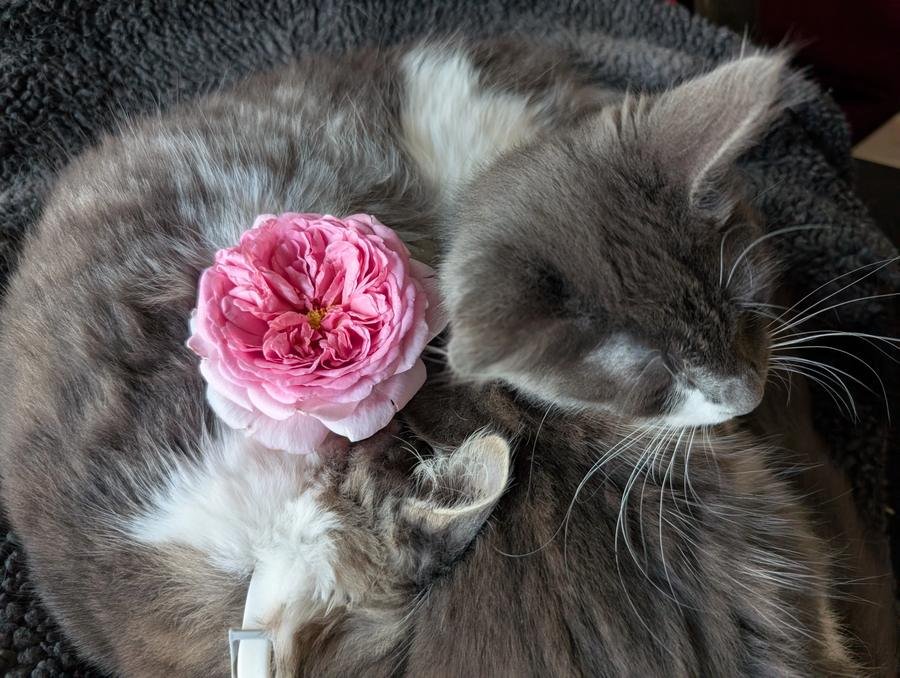
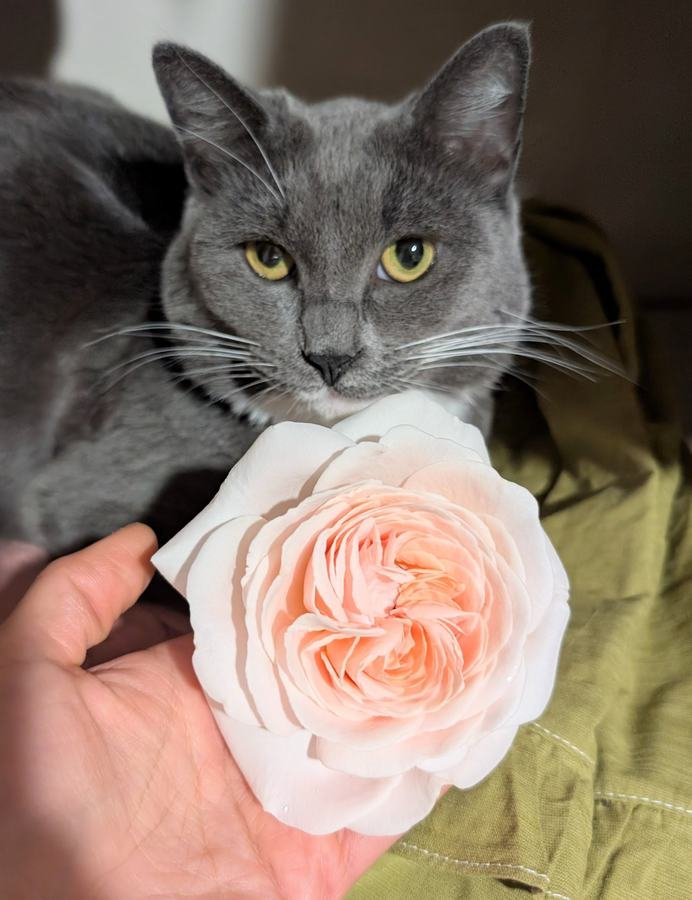
Dutch roses
Bred for the vase and the border — clean form, saturated color, exceptional stem.
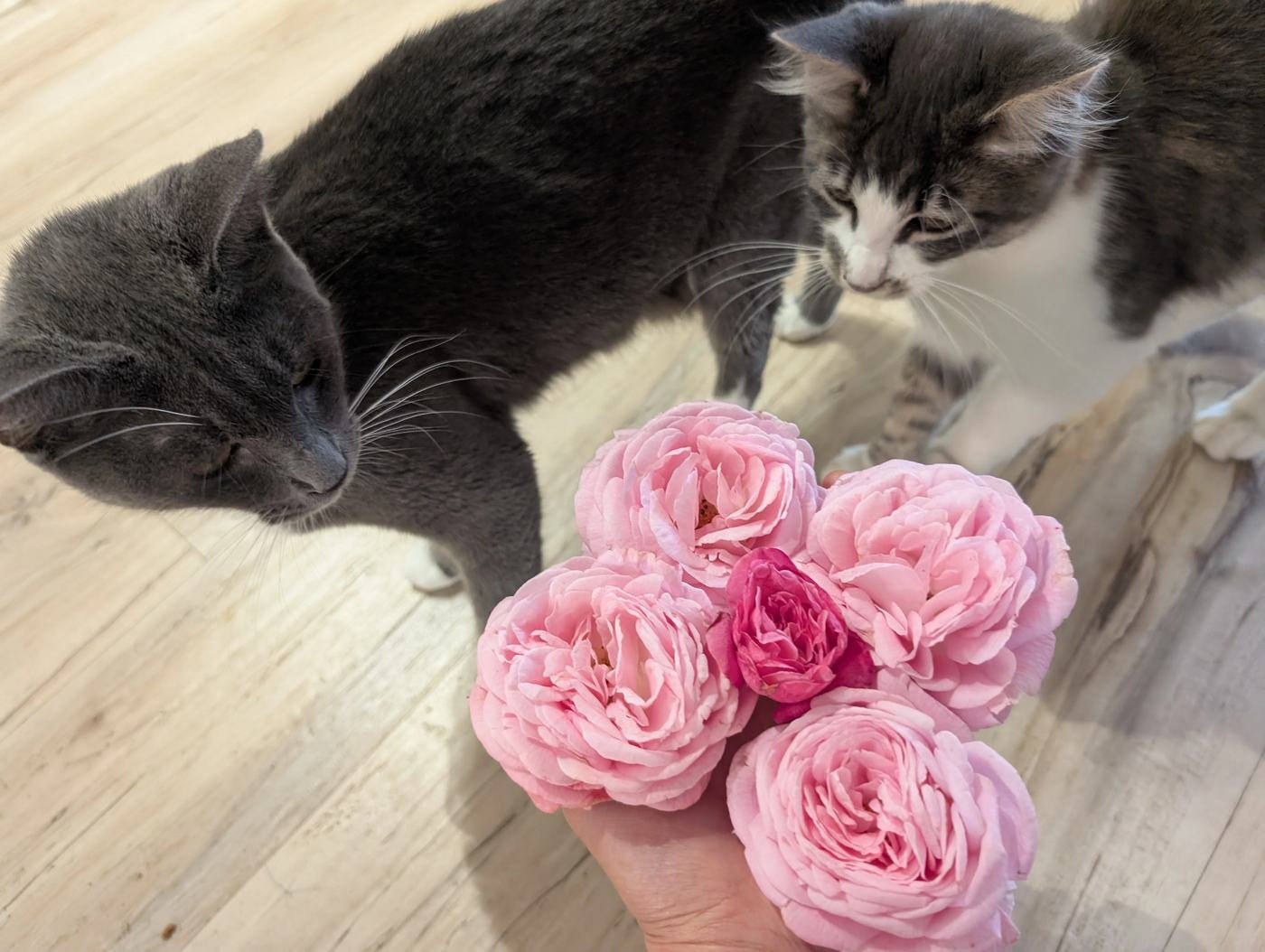
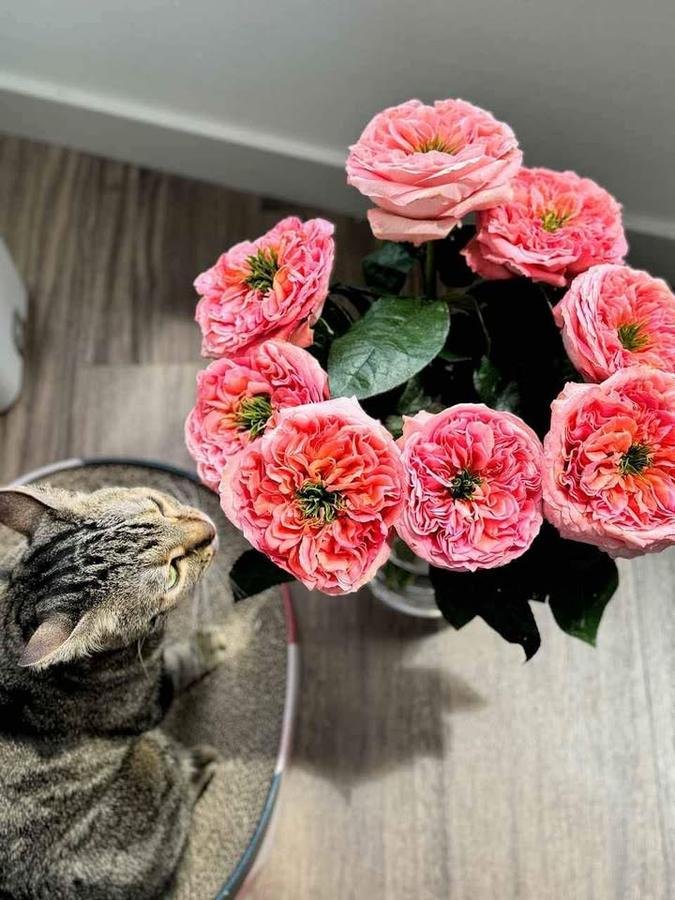

American roses
Bred for heat, humidity, and vigor, in the American tradition.

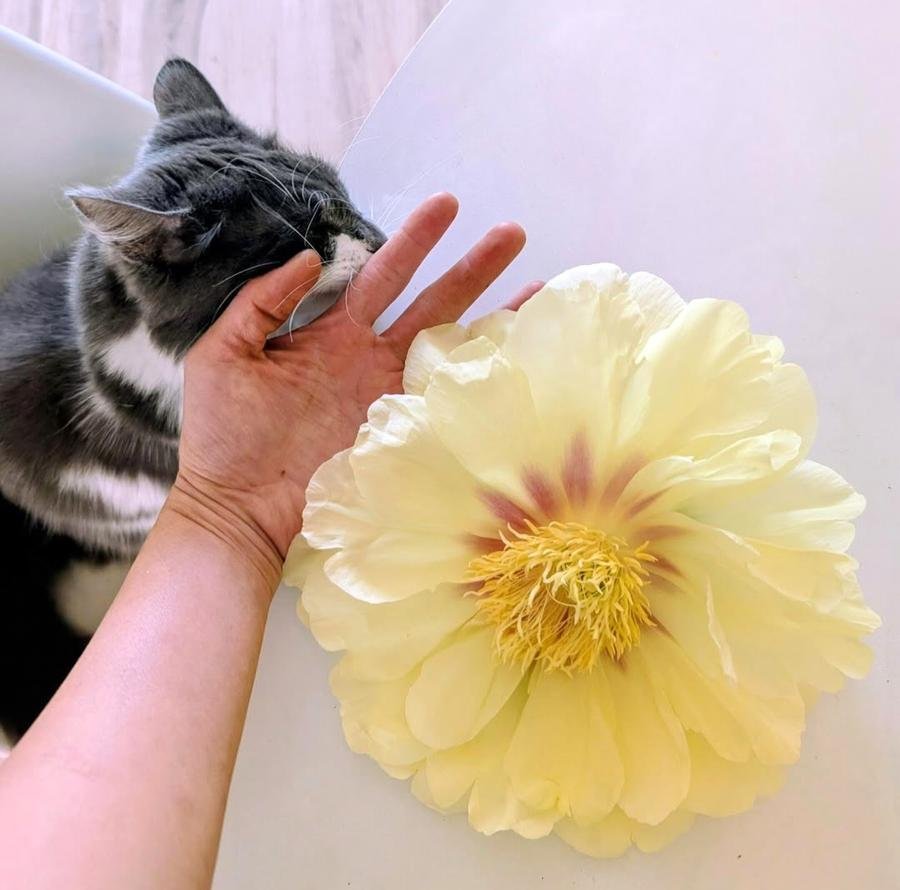
Large bloom flowering plants
Statement blooms for your garden — peonies, dahlias, and other spectacular large-flowering plants.

Rare wedding, florist and garden rose plants
View all →Hand-selected rare garden roses for weddings, florists and the garden — grown with care.

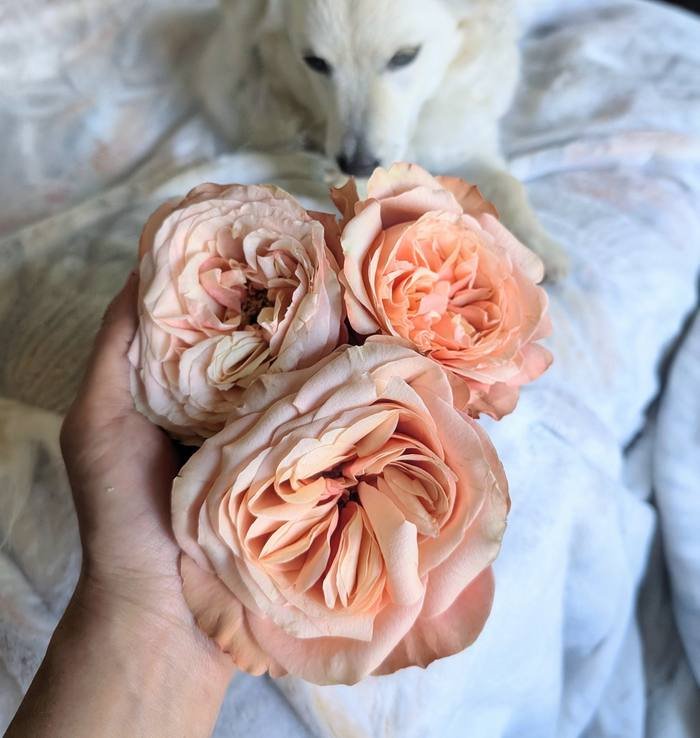
Swe Cat with Kaori
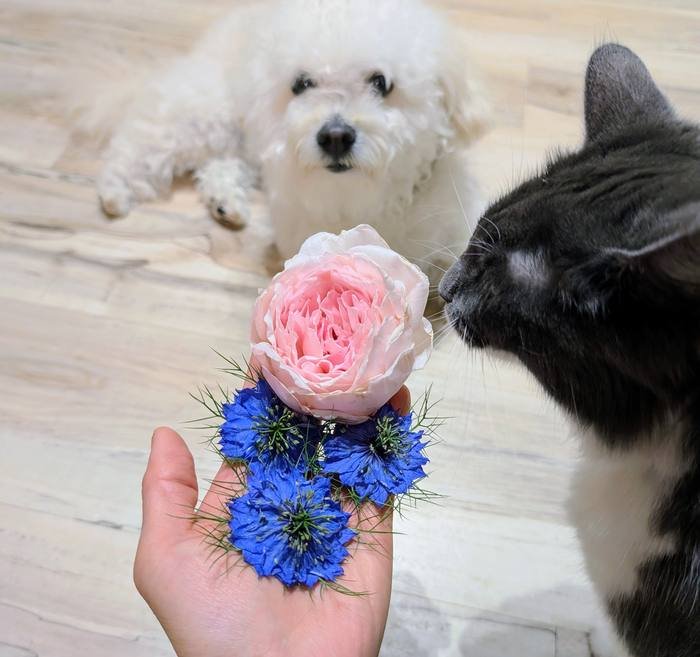
Swe Fra with Valo and Hime
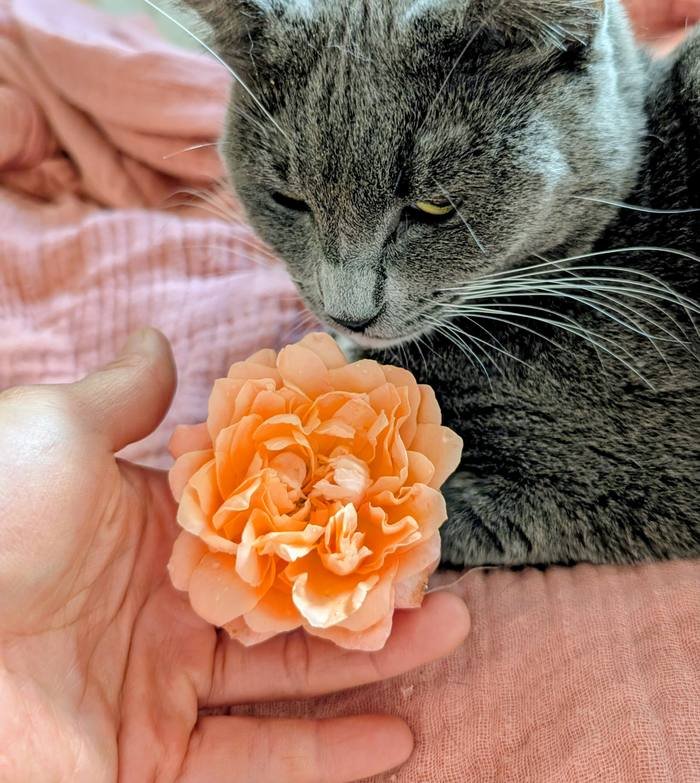
Dra with Mimi
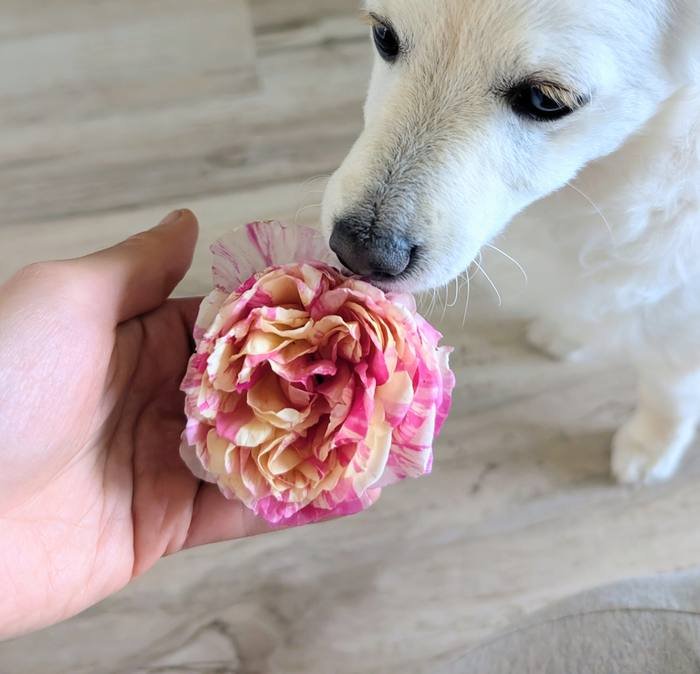
Edouard Manet with Kaori
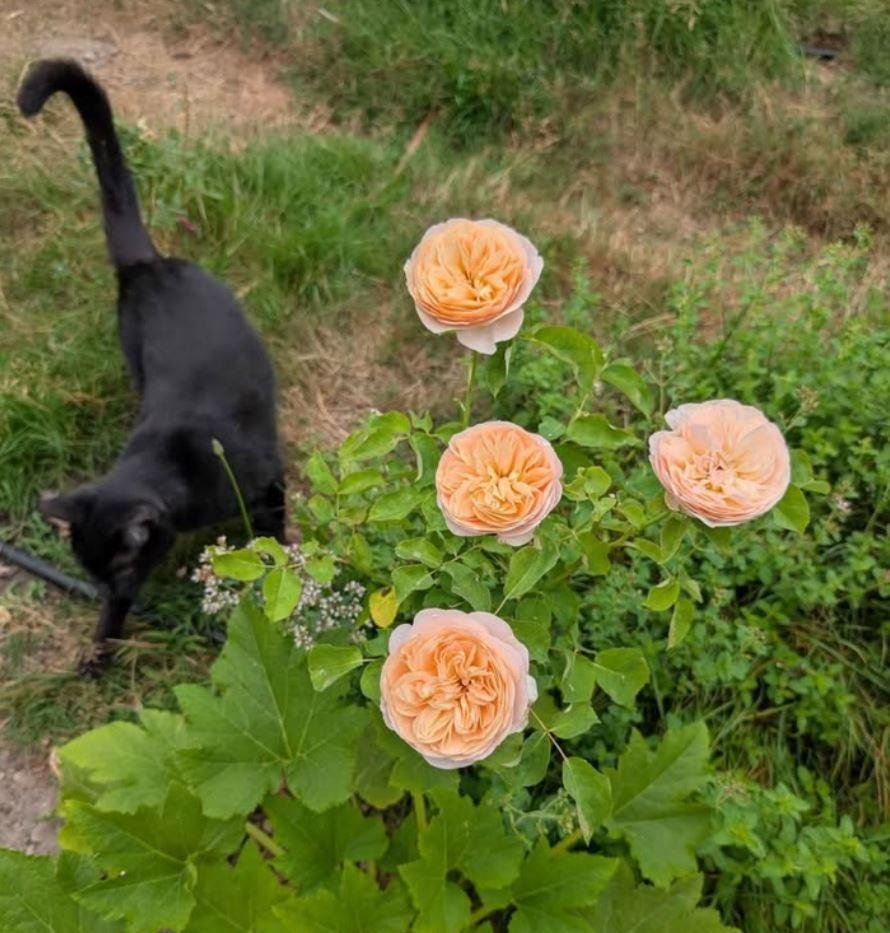
Ausjameson with Dunkel
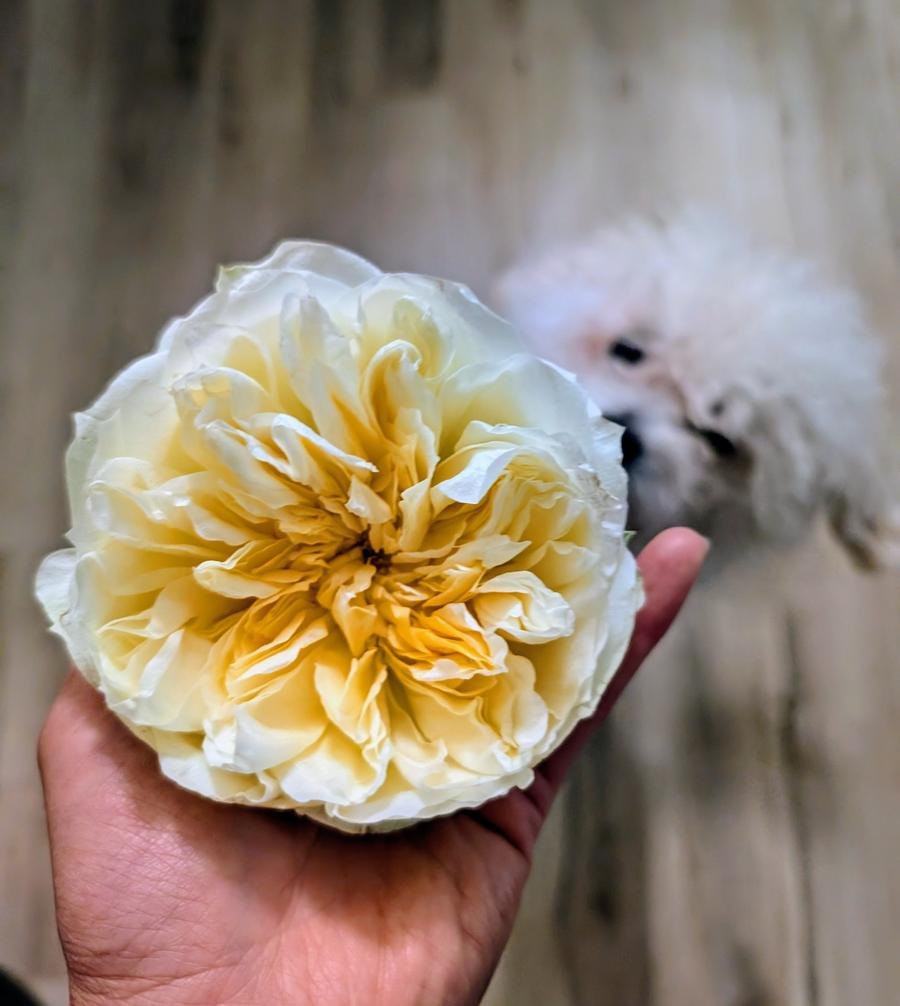
Ant Gar with Valo
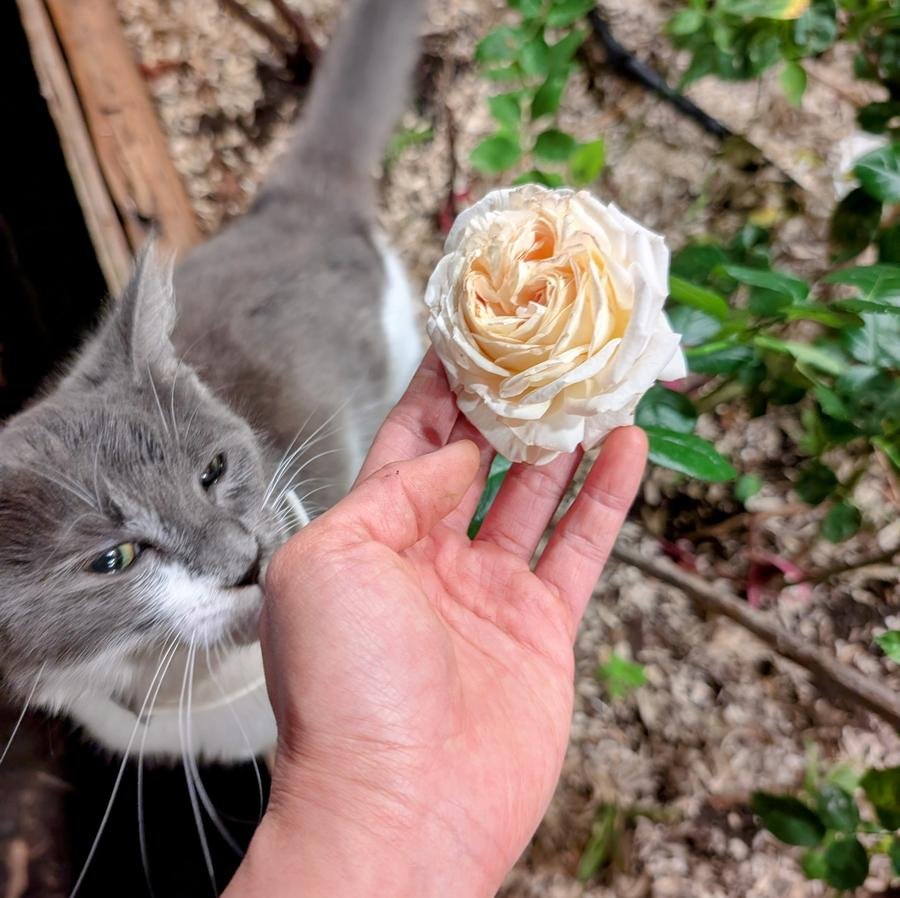
Princess Sakura with Hime
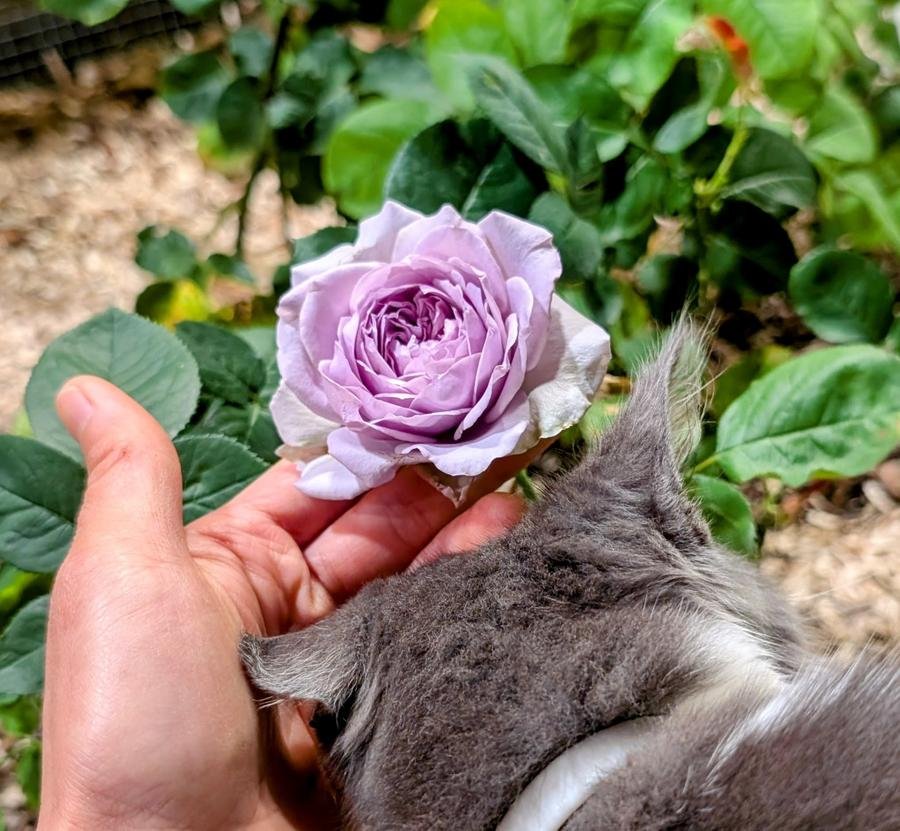
Lil with Hime
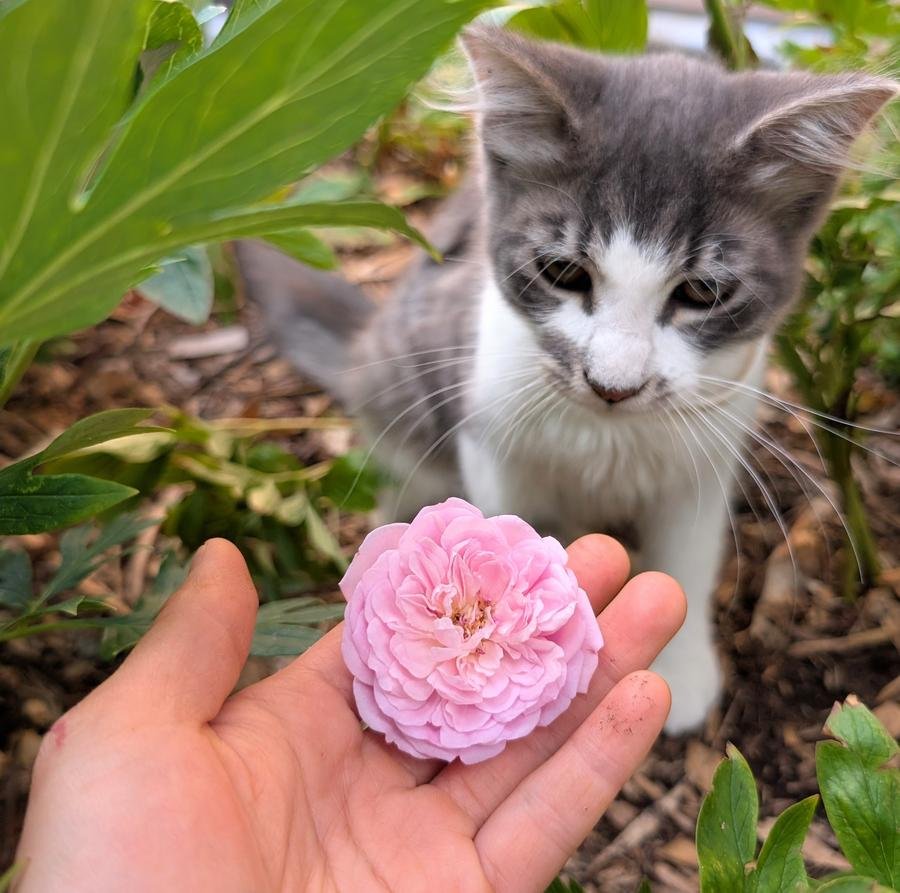
Mary Delany with Luka
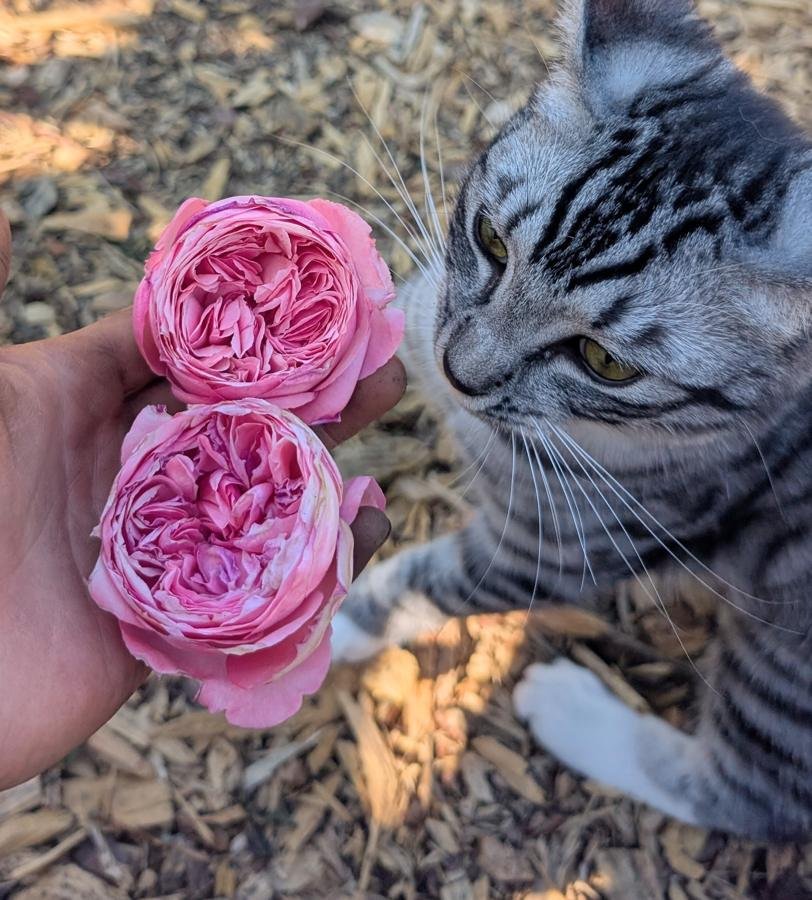
Rom Bal Gow with Lina
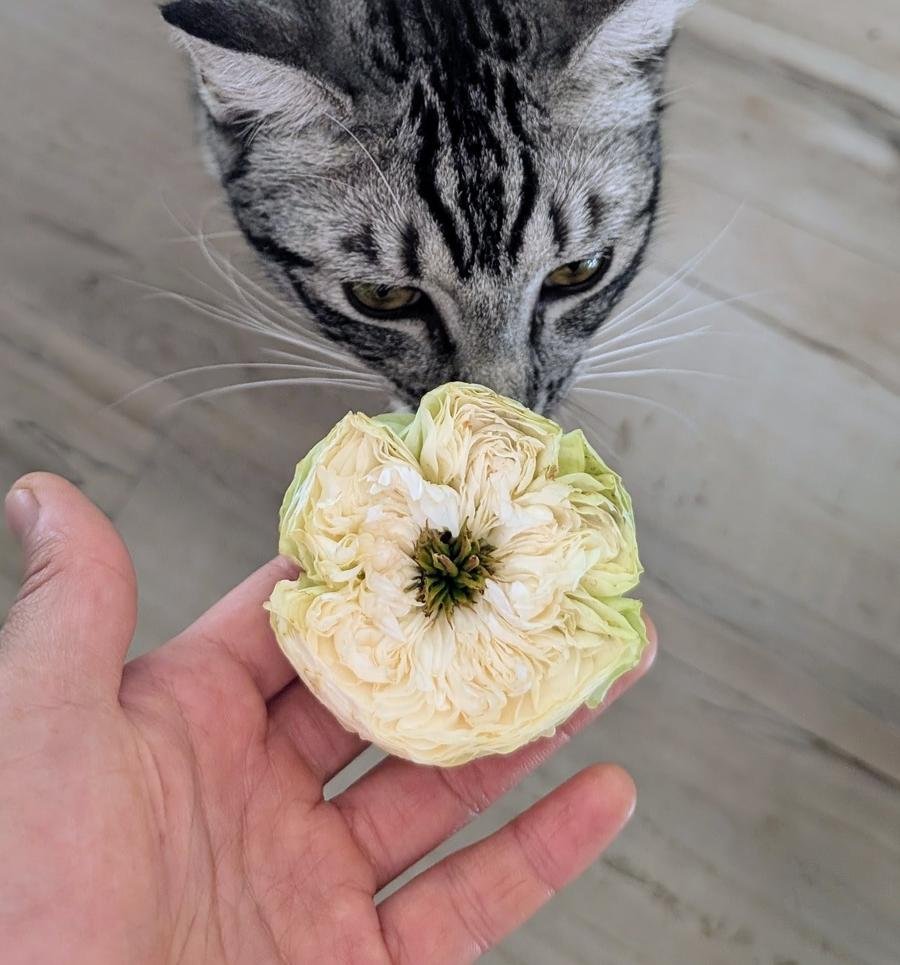
Whi Abb with Lina
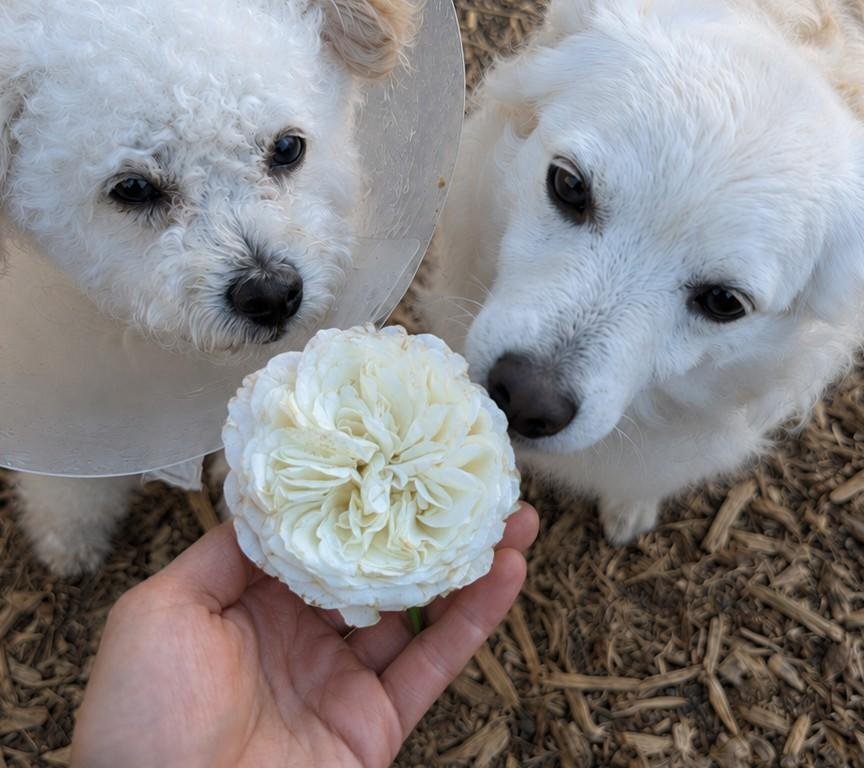
Tra with Yuki and Valo

General Schablikine with Kaori
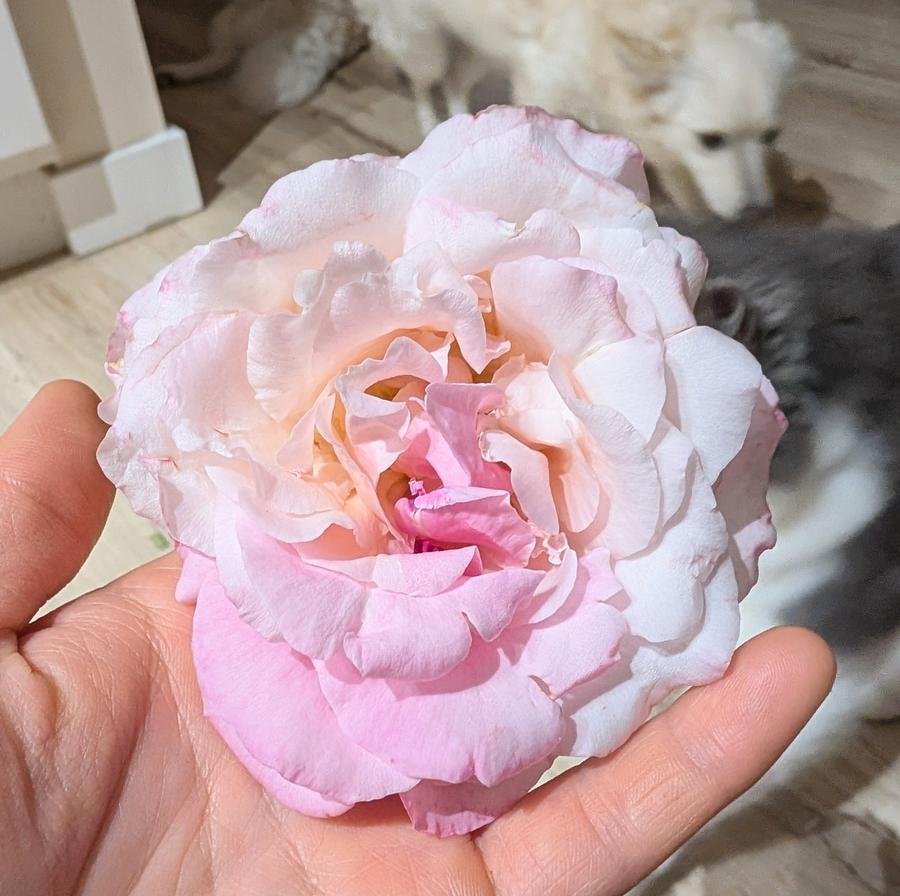
Bel Blu with Kaori and Hime
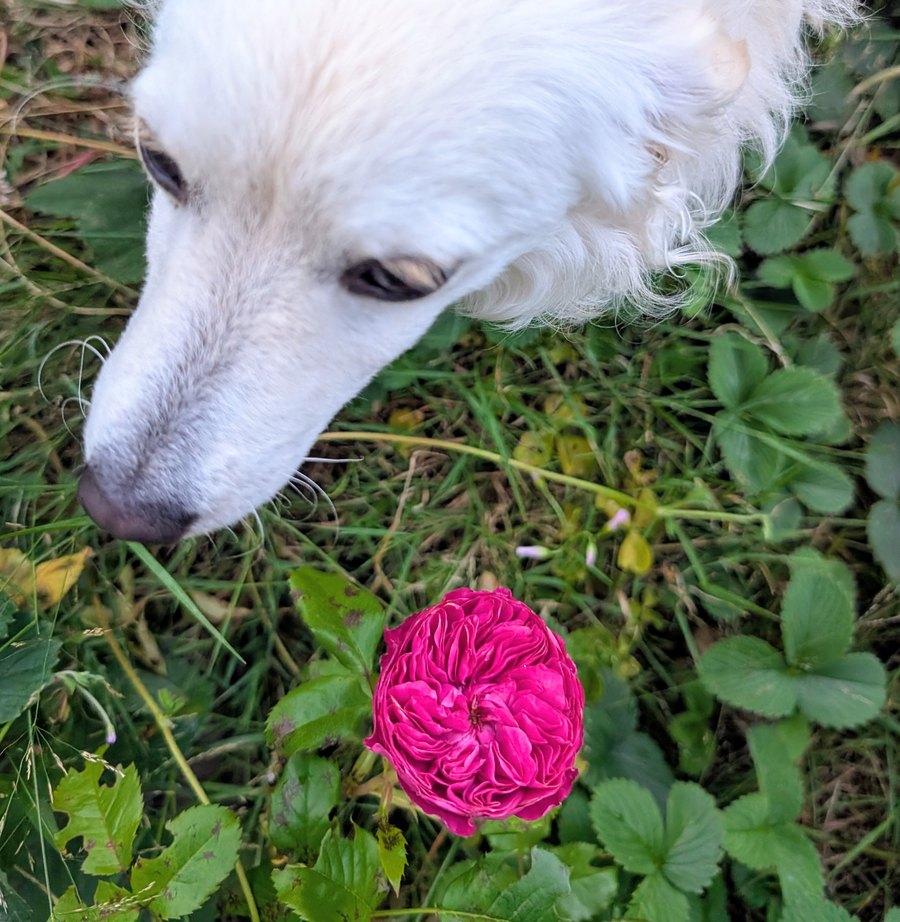
Cap with Kaori
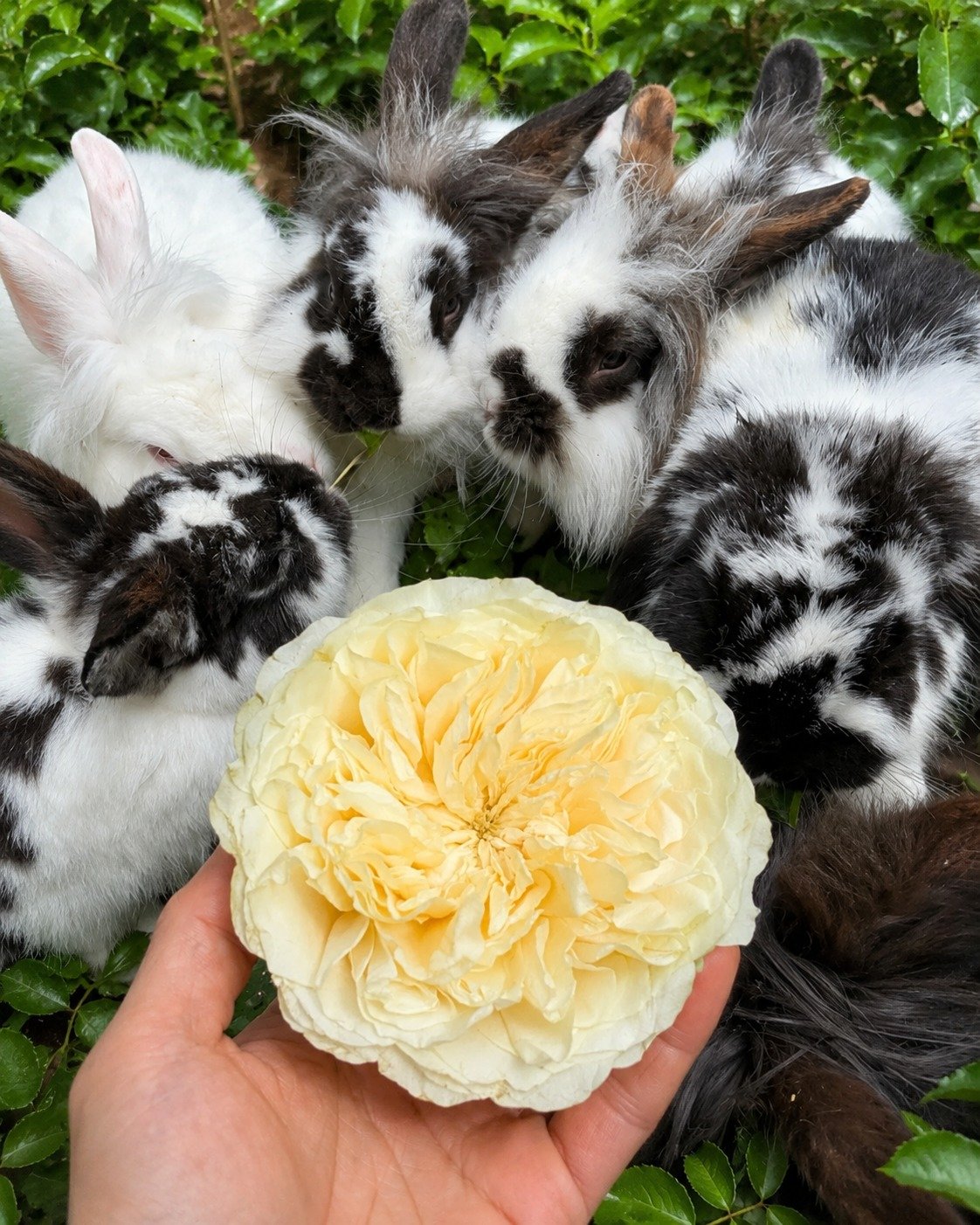
Pat with bunnies
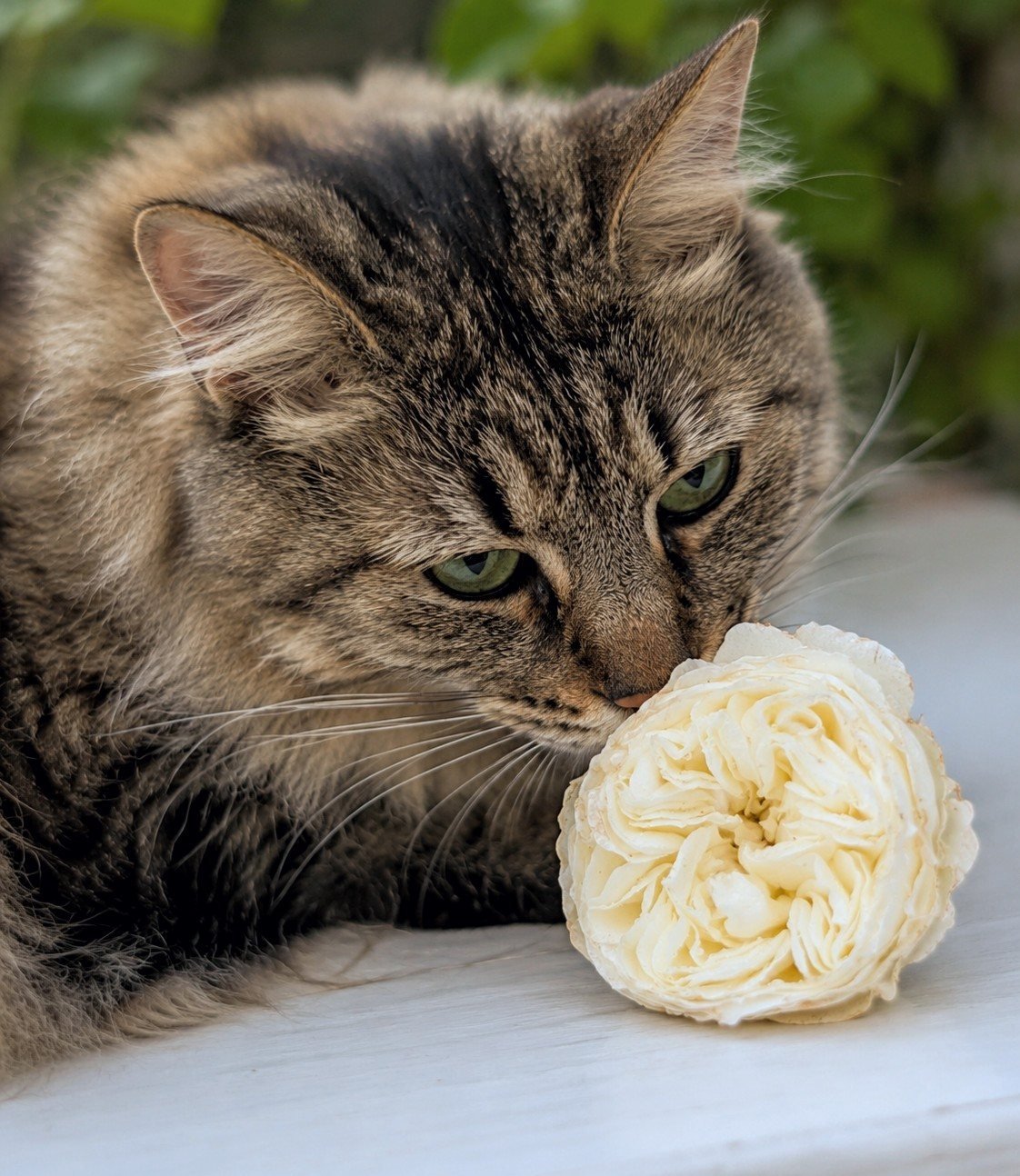
Leo with Ivy
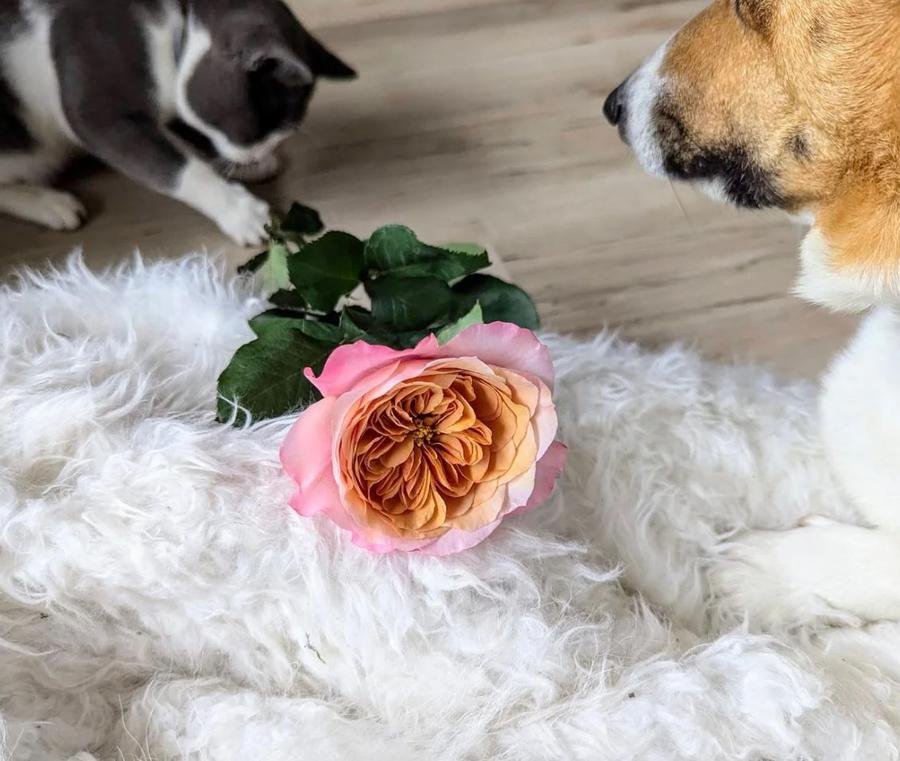
Miyabi Cha with Nobu
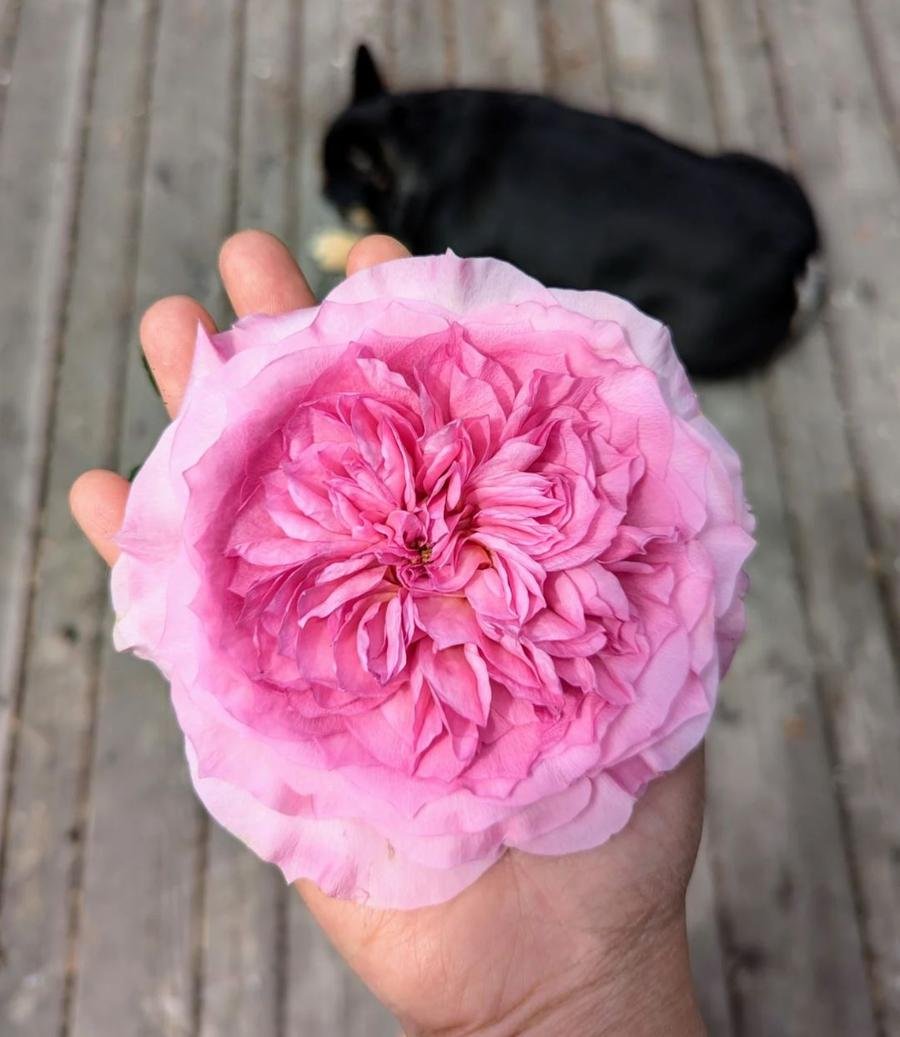
Mil with a black pup

Wes Abb with a pup
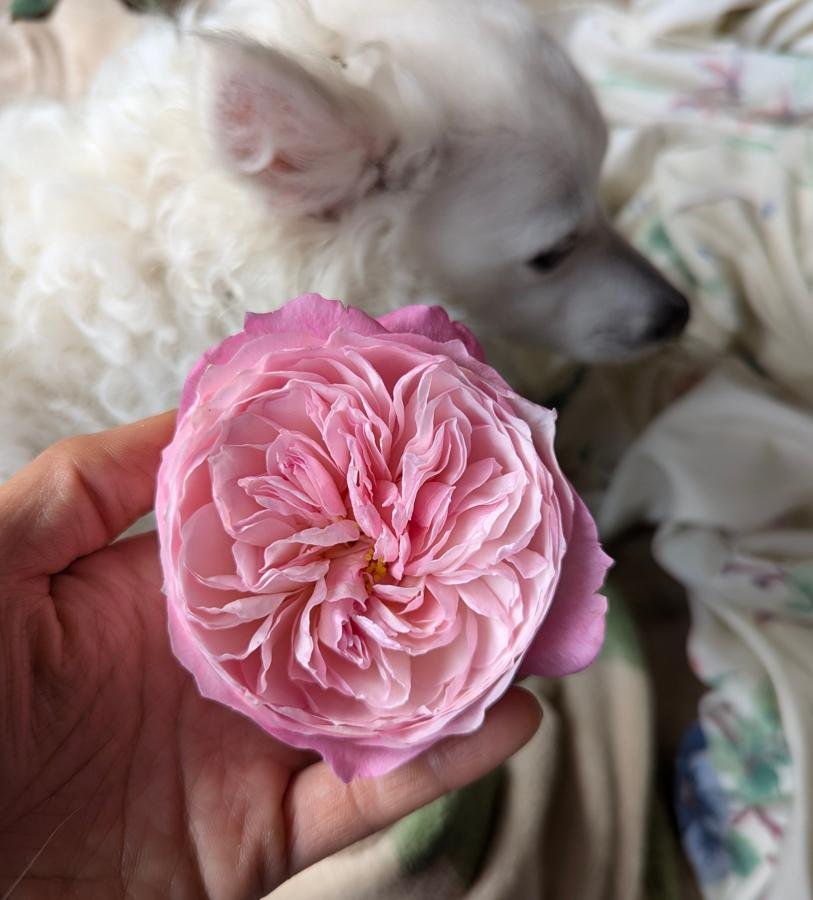
Con with Yuki
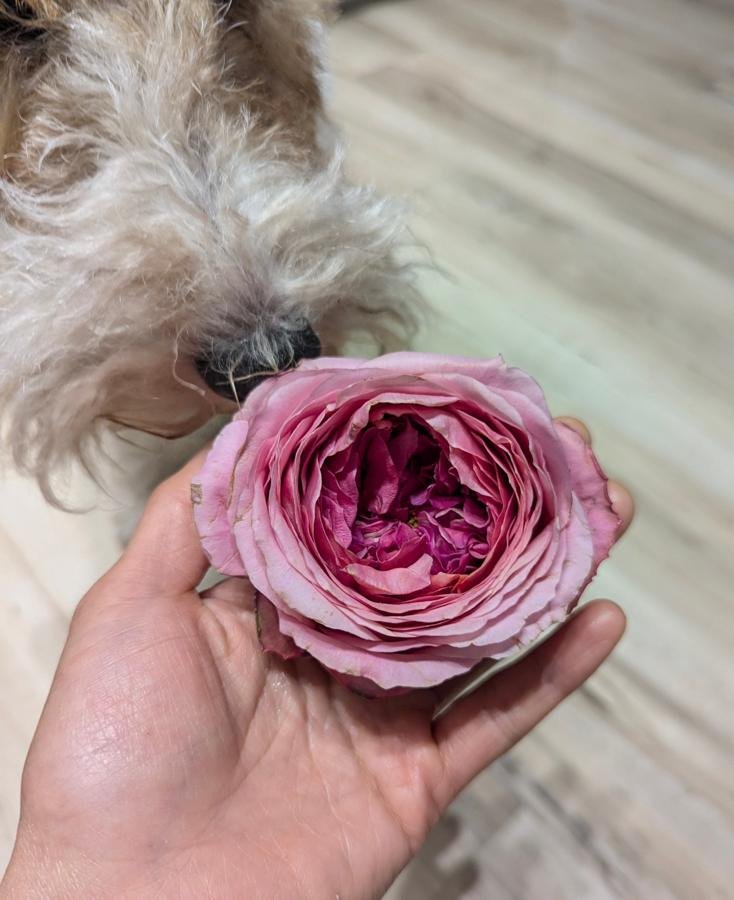
Peo Kis with Buddy
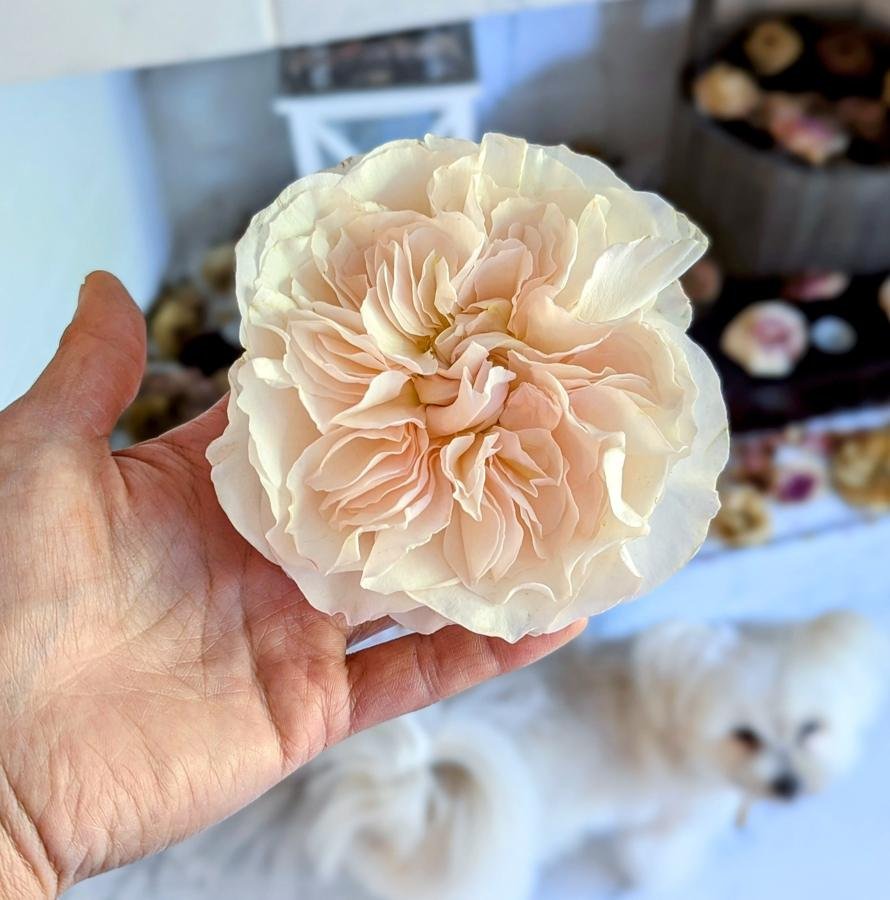
Eug with Lexi
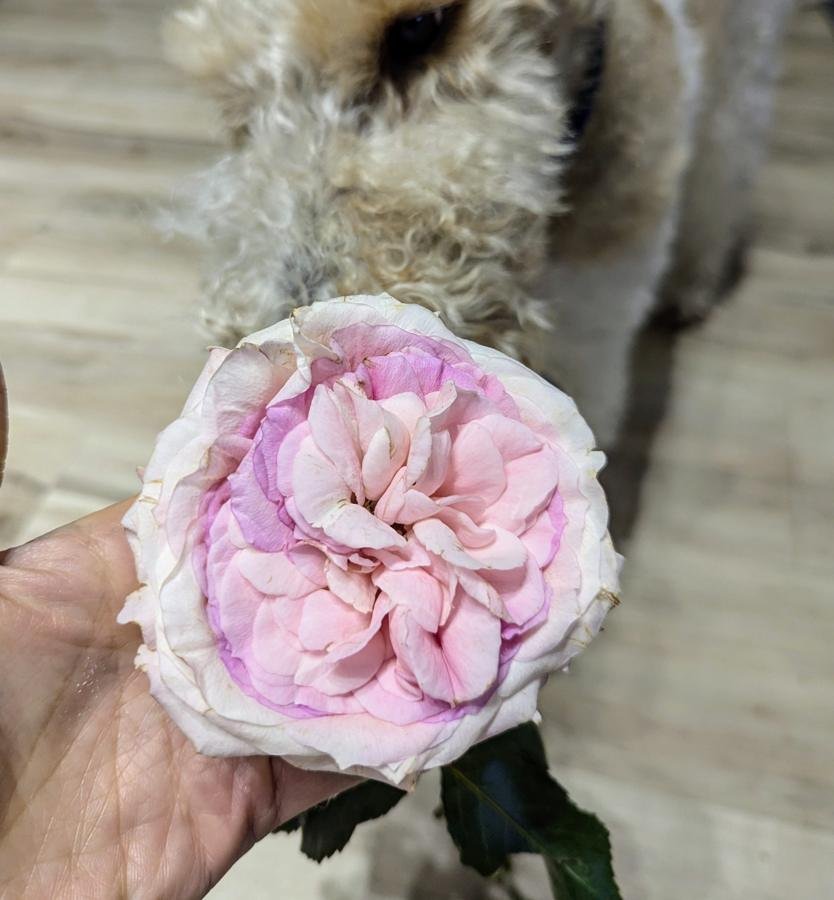
May Bri with Buddy
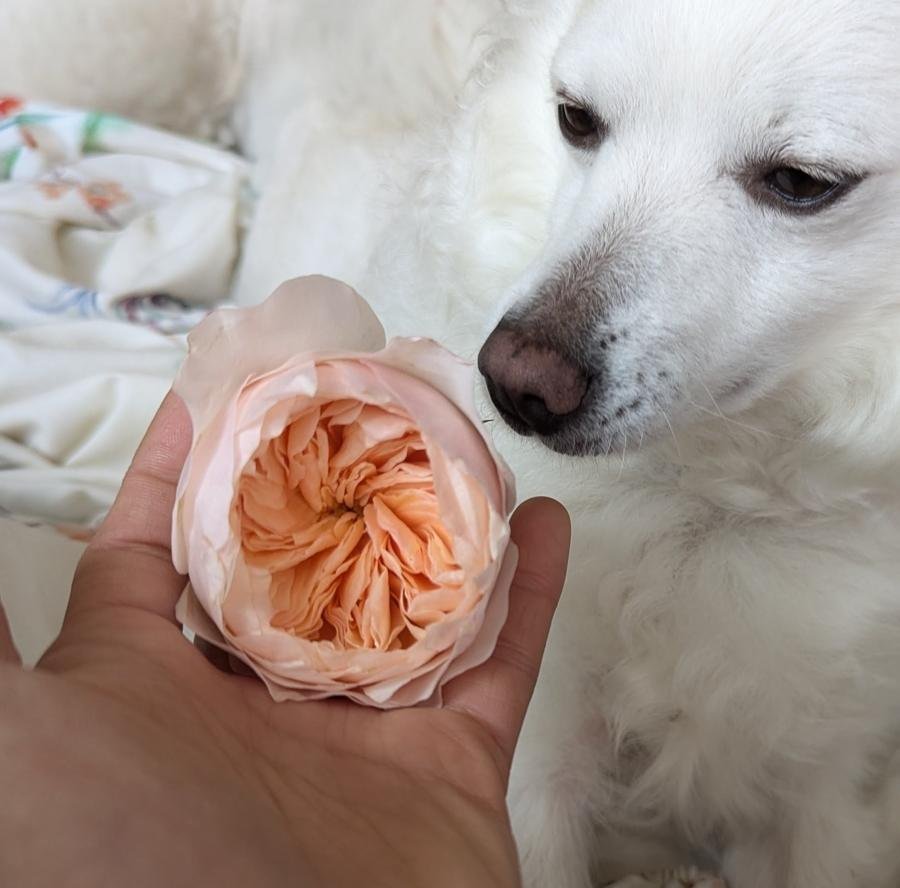
Jul (Ausjameson) with Yuki
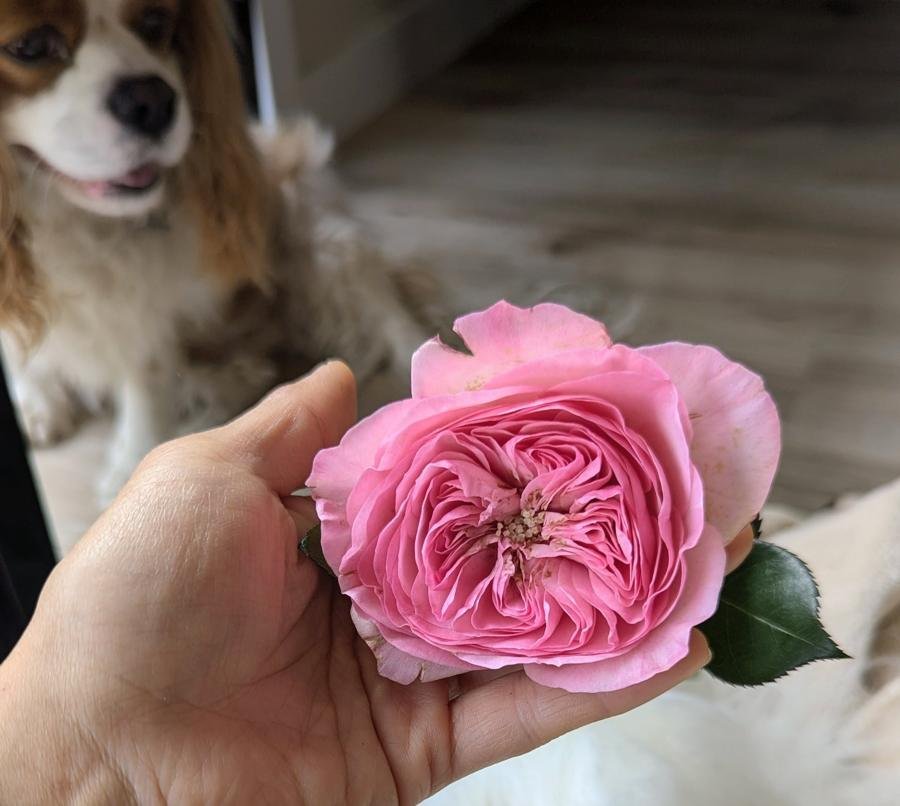
Mar The with a pup

Cha with Yuki
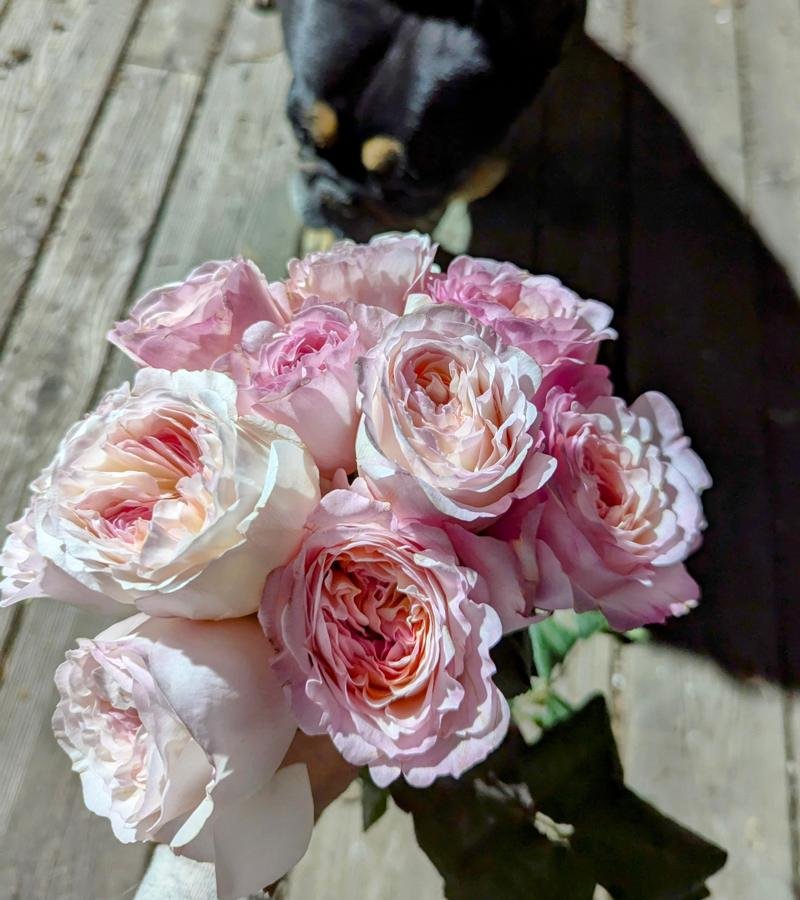
Kei with a pup
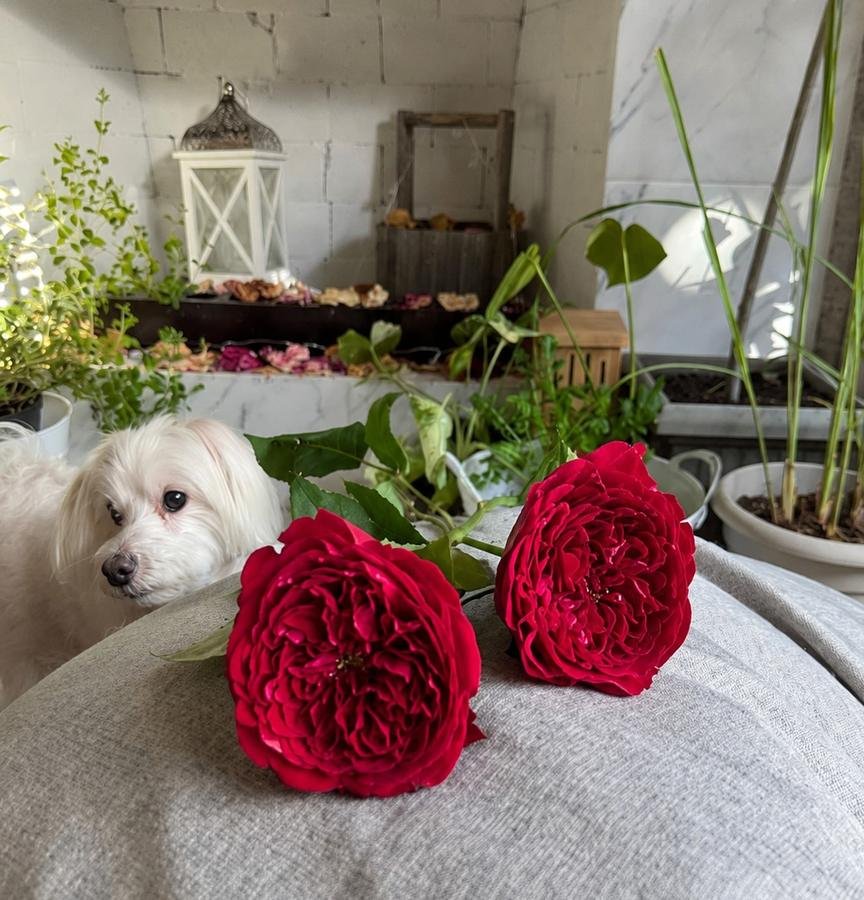
Te with Ollie
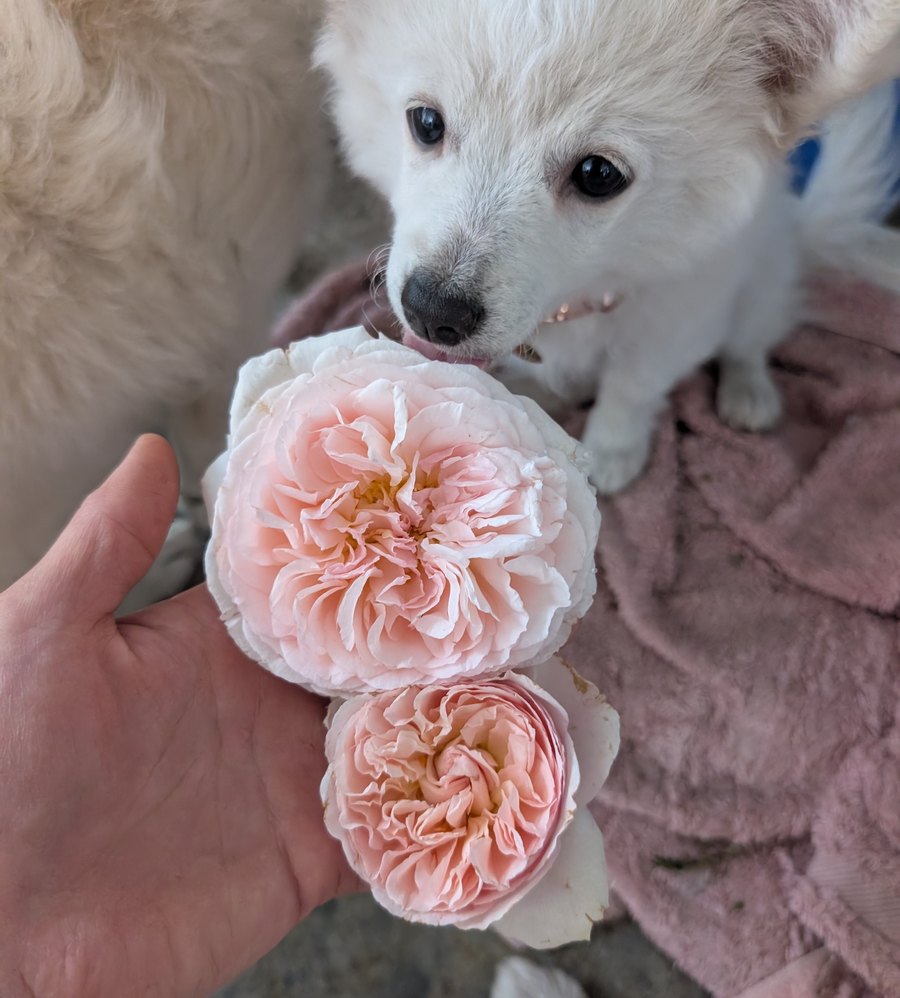
Wil Mor with Muru
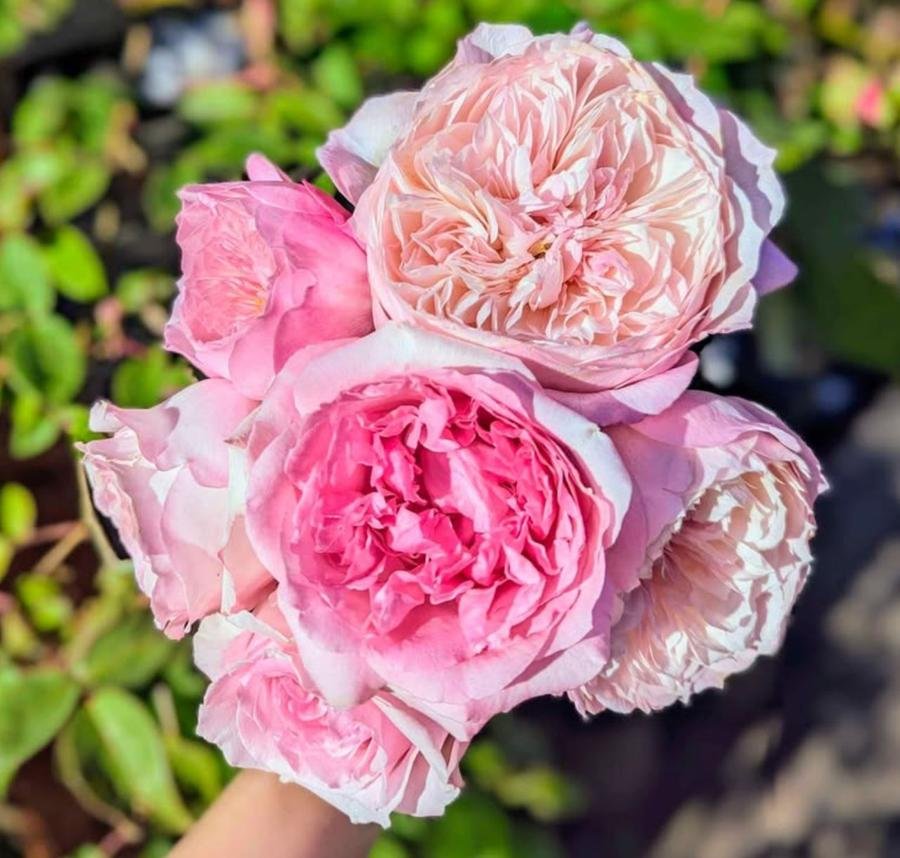
Ausimmon
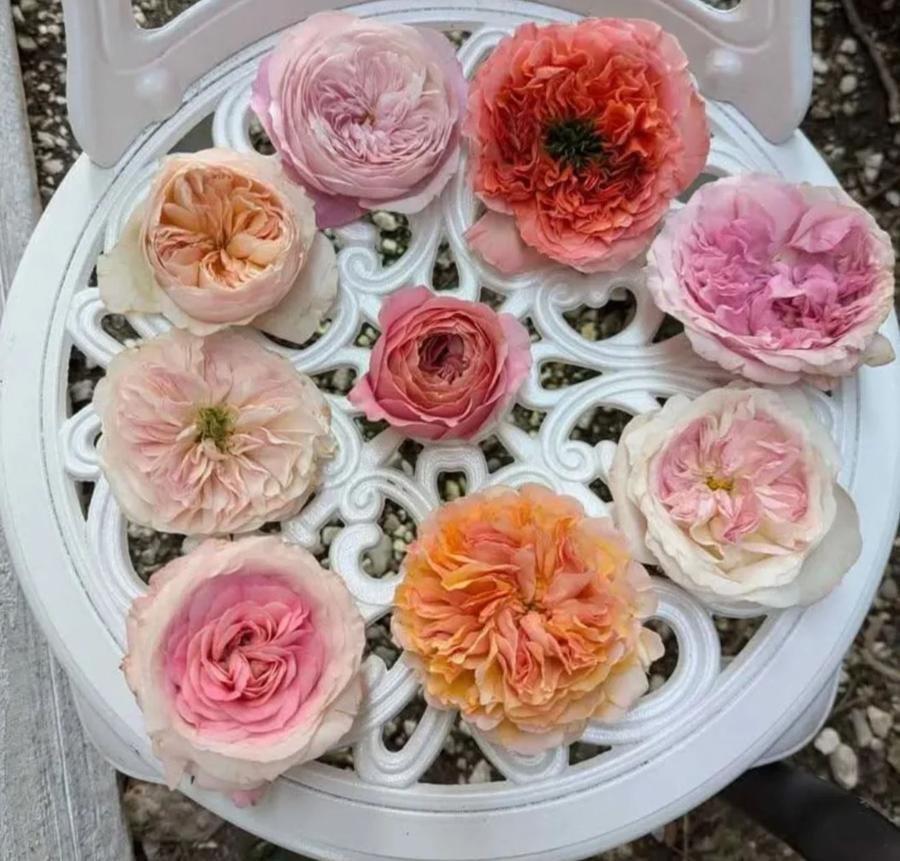
10 mixed rose plants
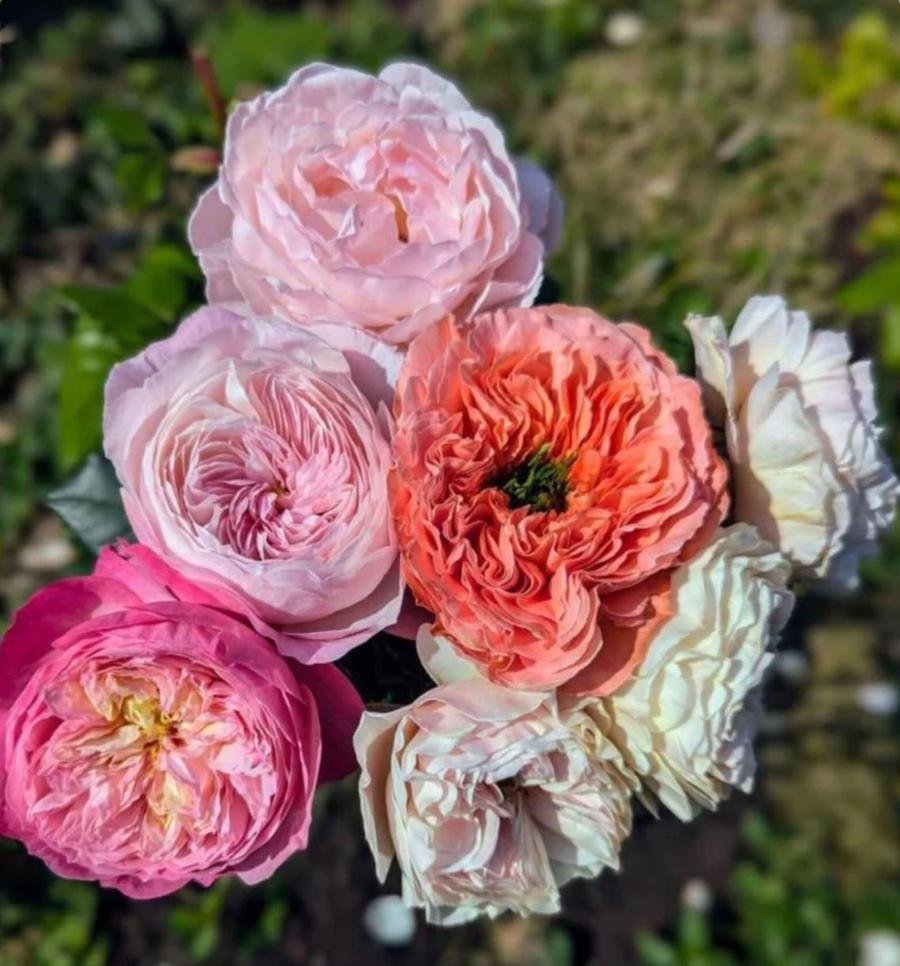
5 mixed rose plants
Discounted — lost tag, no name plants
Beautiful plants whose tags got lost along the way. Deeply discounted — you might get a surprise bloom. All sales final.
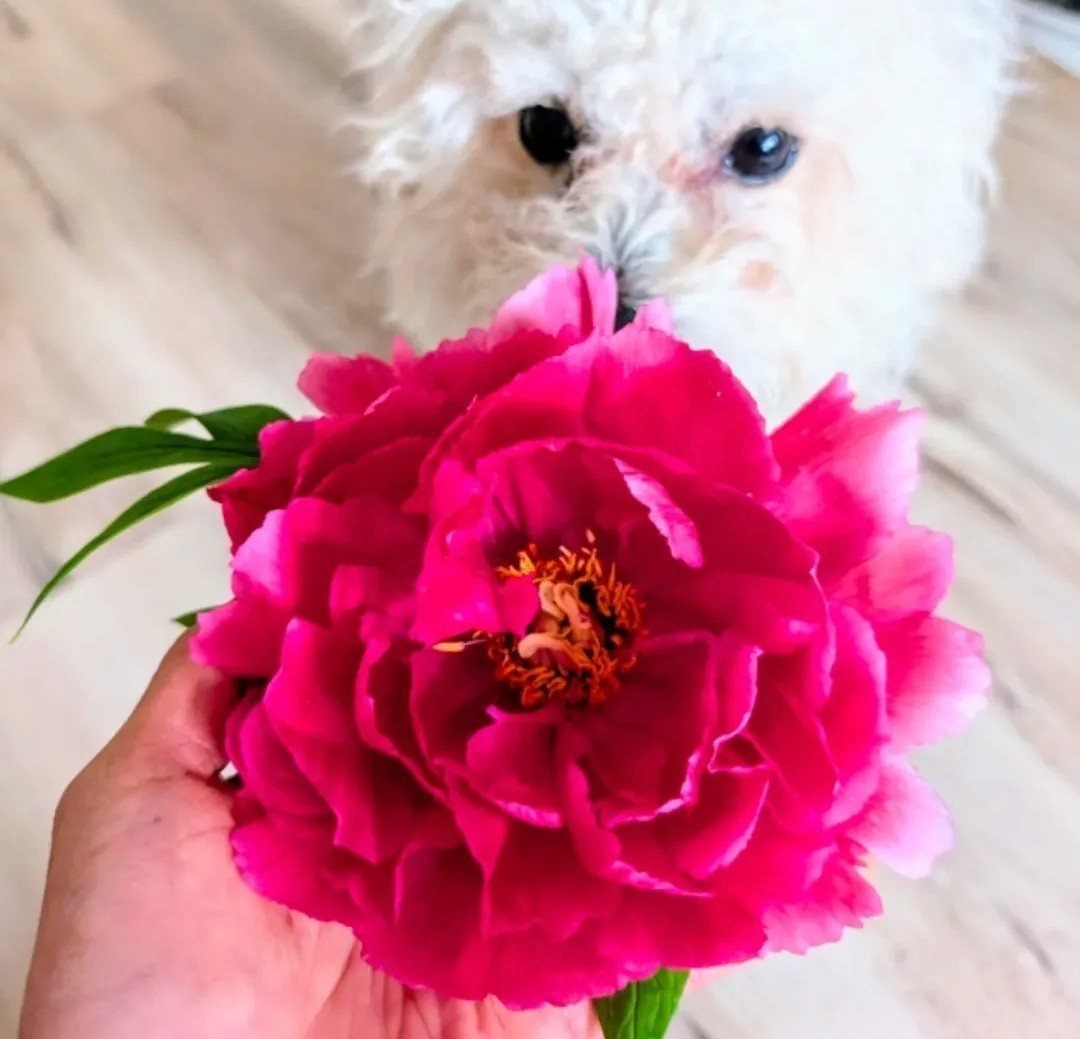
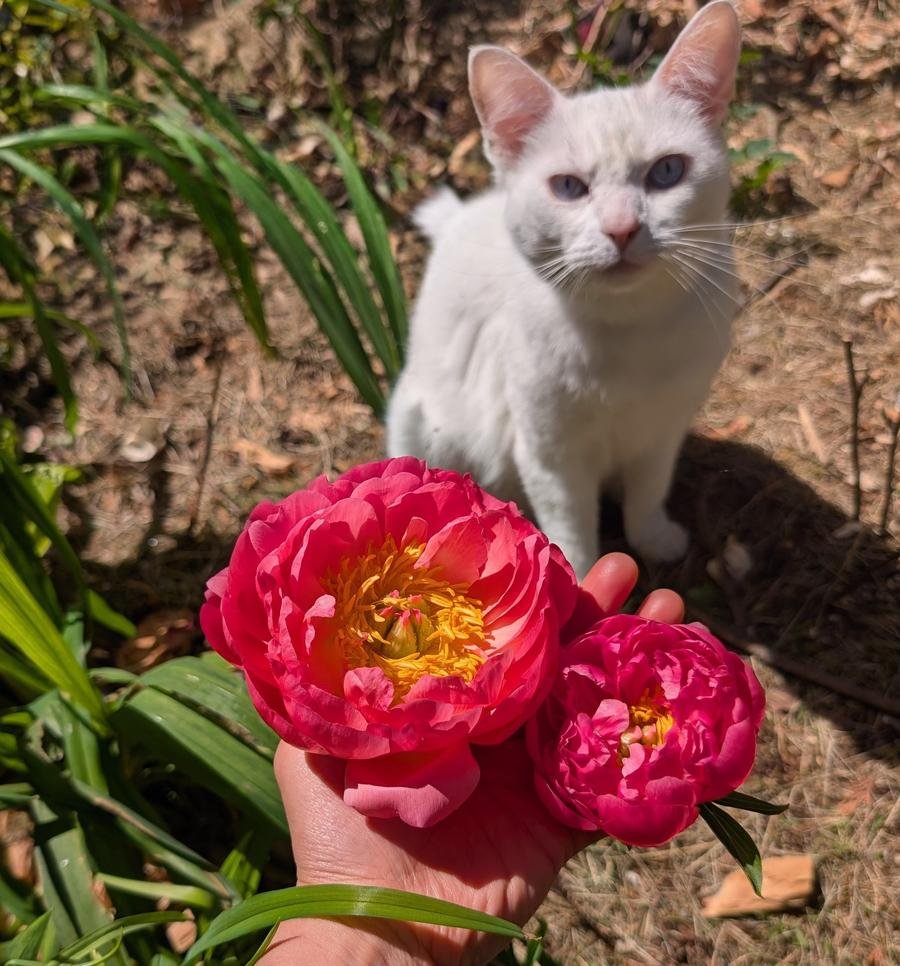
Valo next to a red tree peony bloom

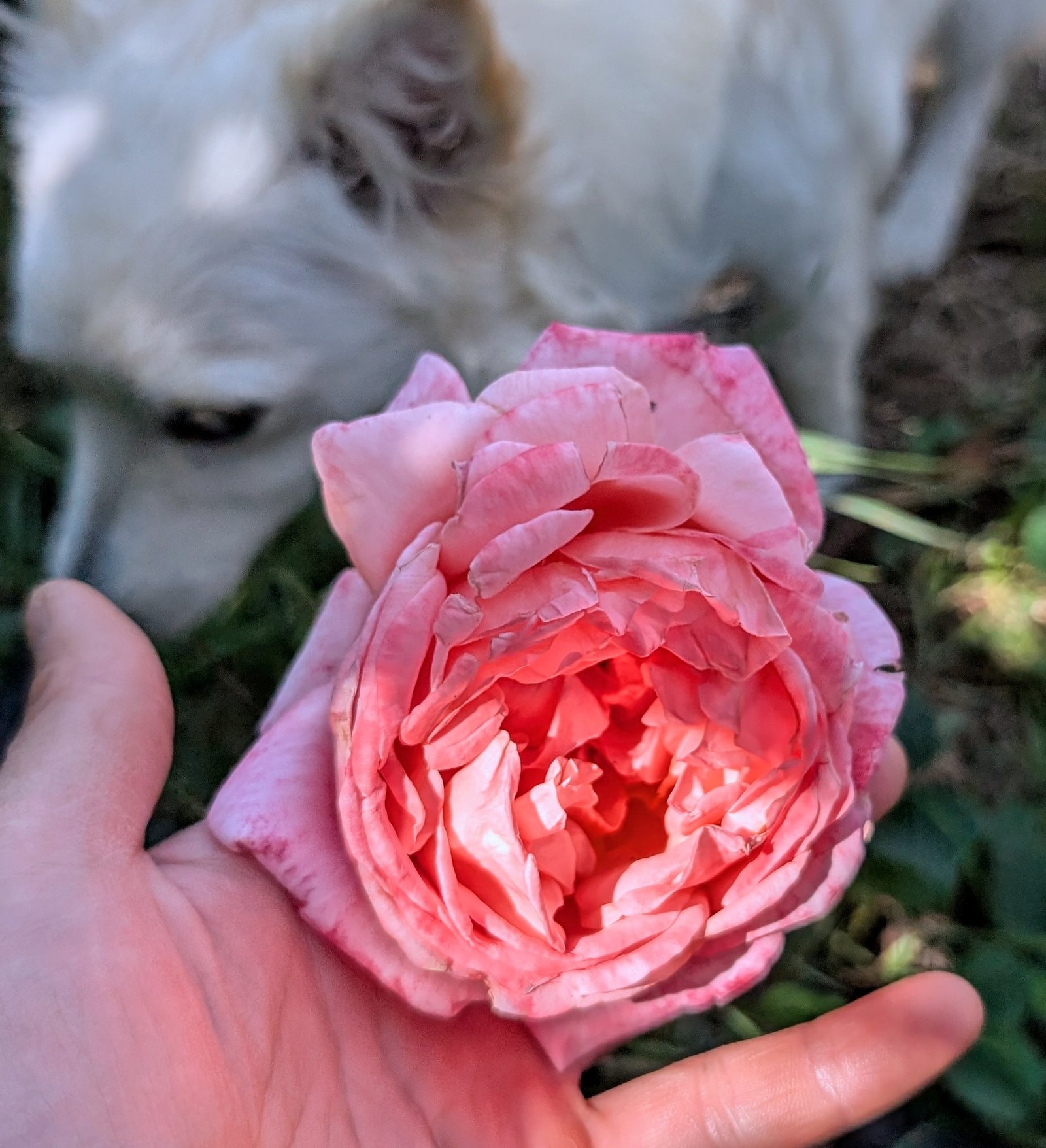
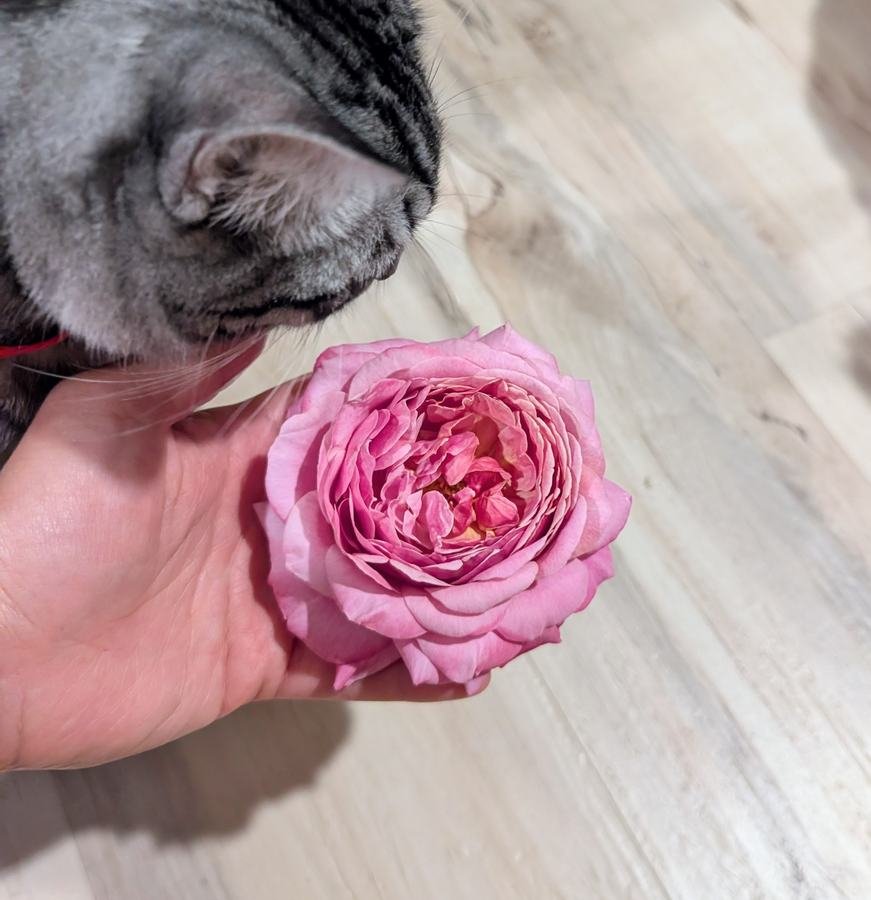
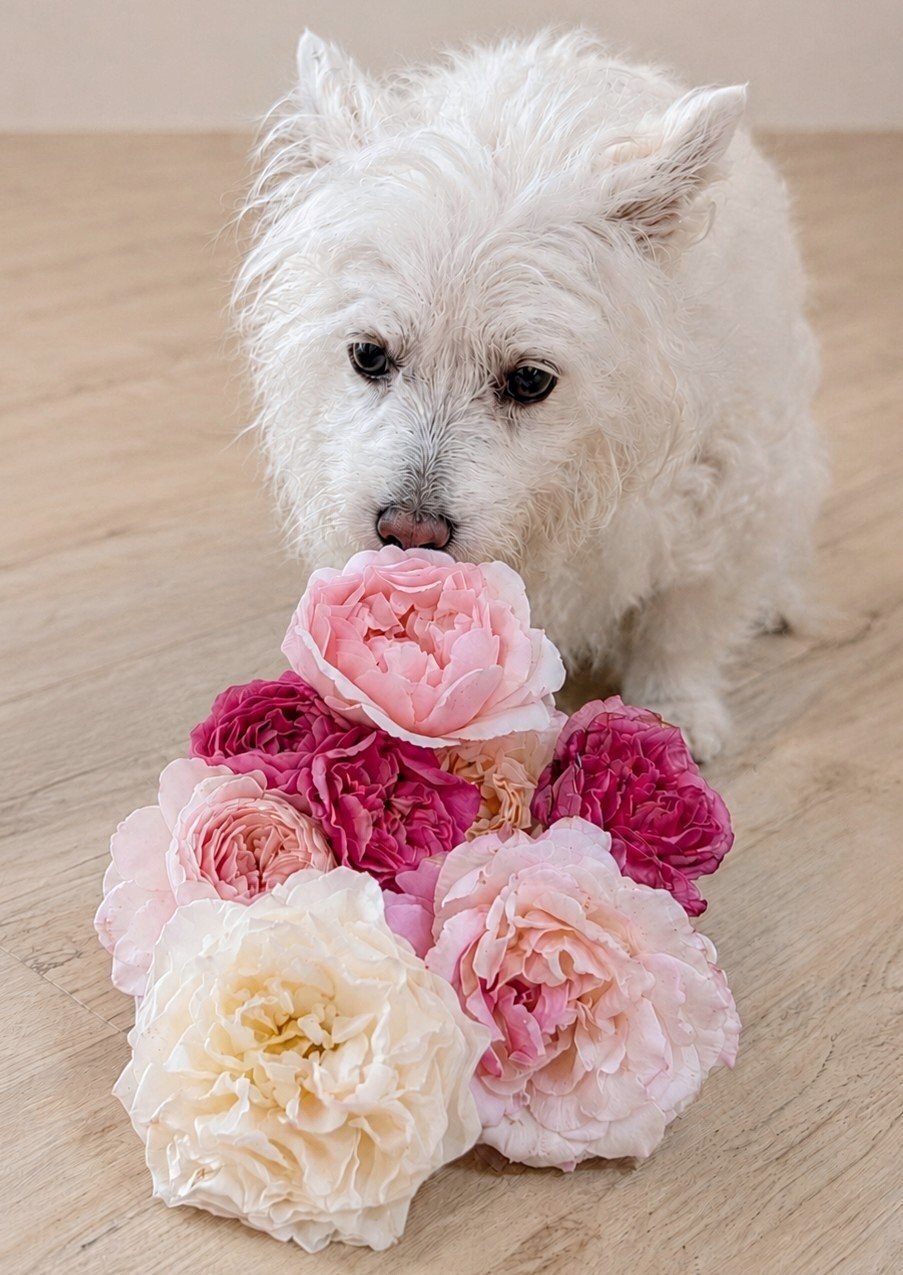
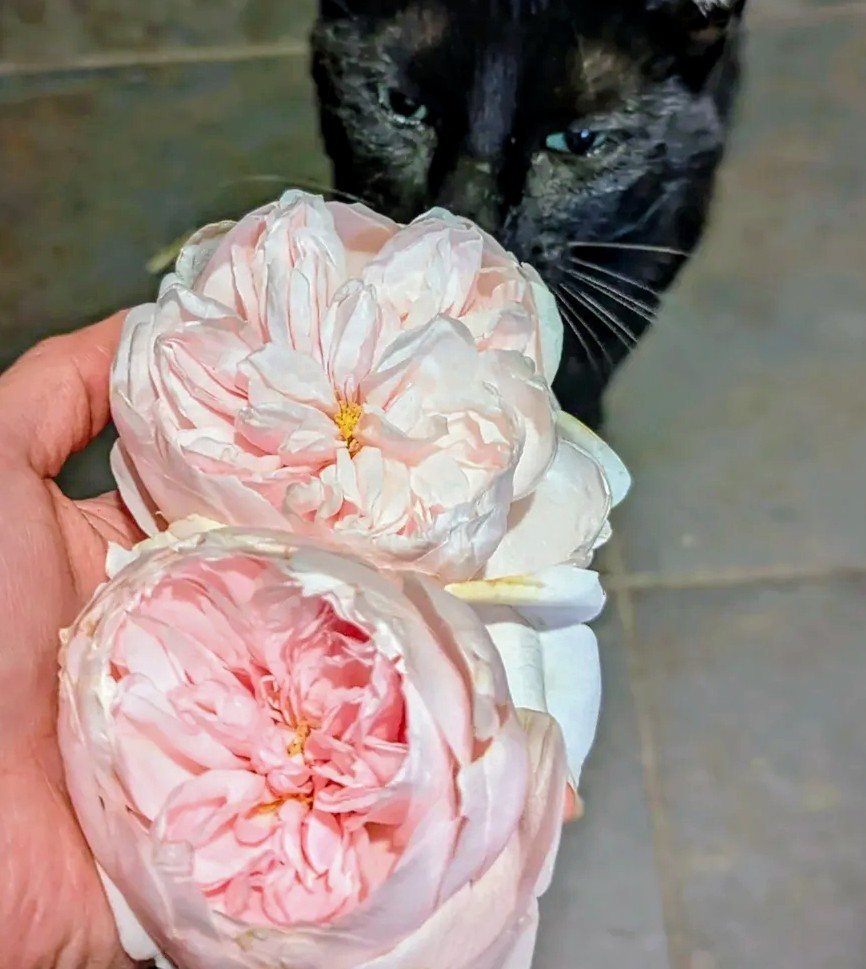
Valo posing with a blush pink rose
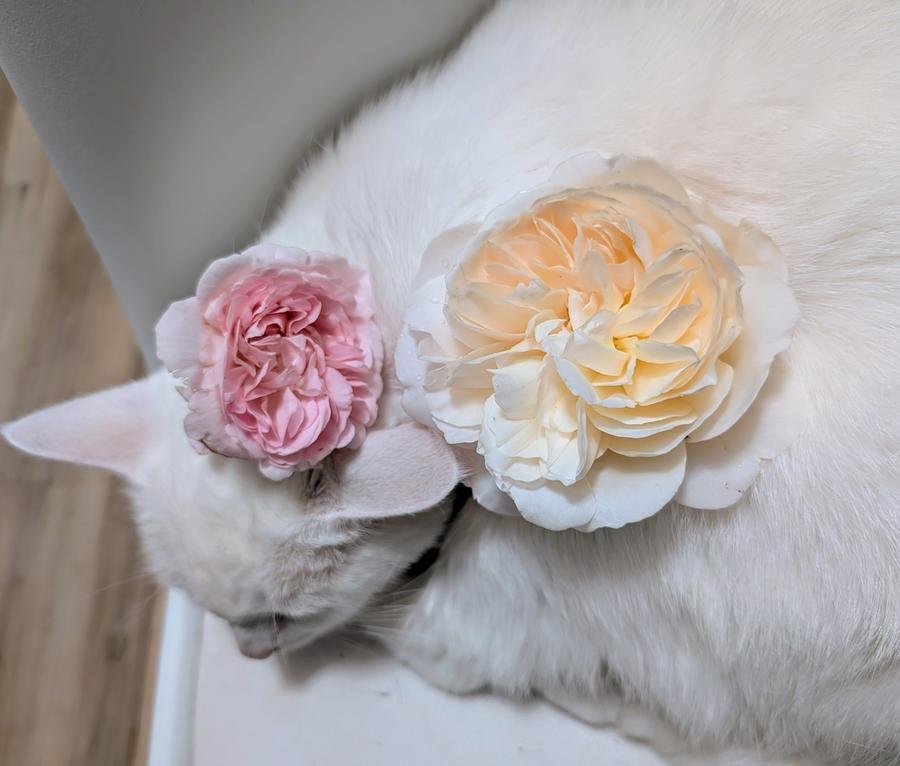
Eyra adorn by Pink O'Hara and Eugenie-lookalike roses
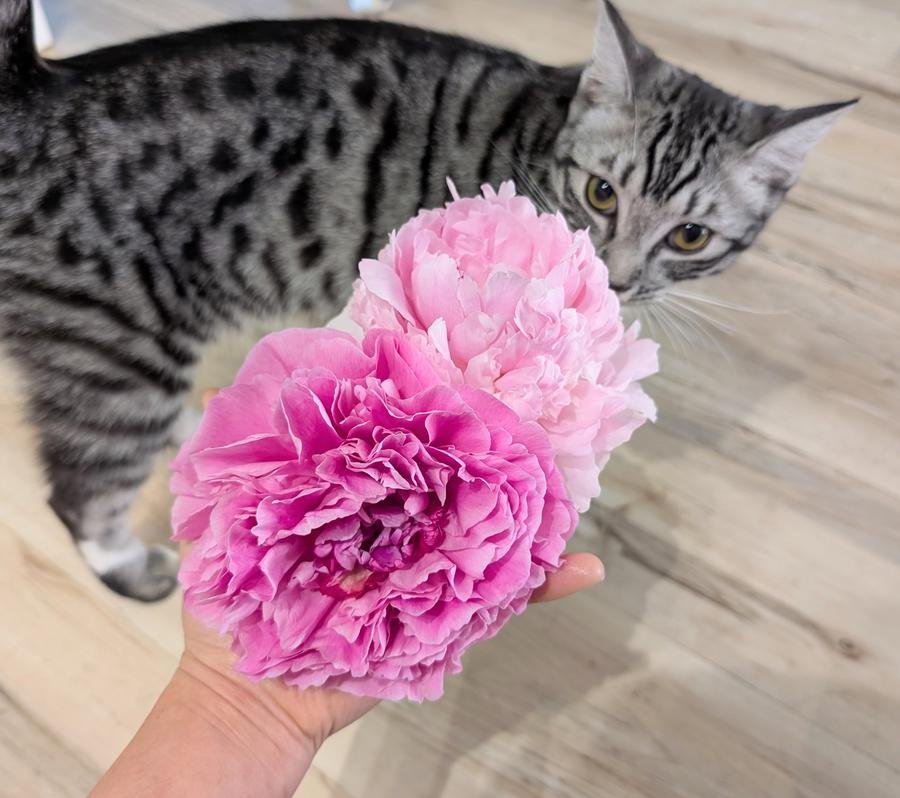
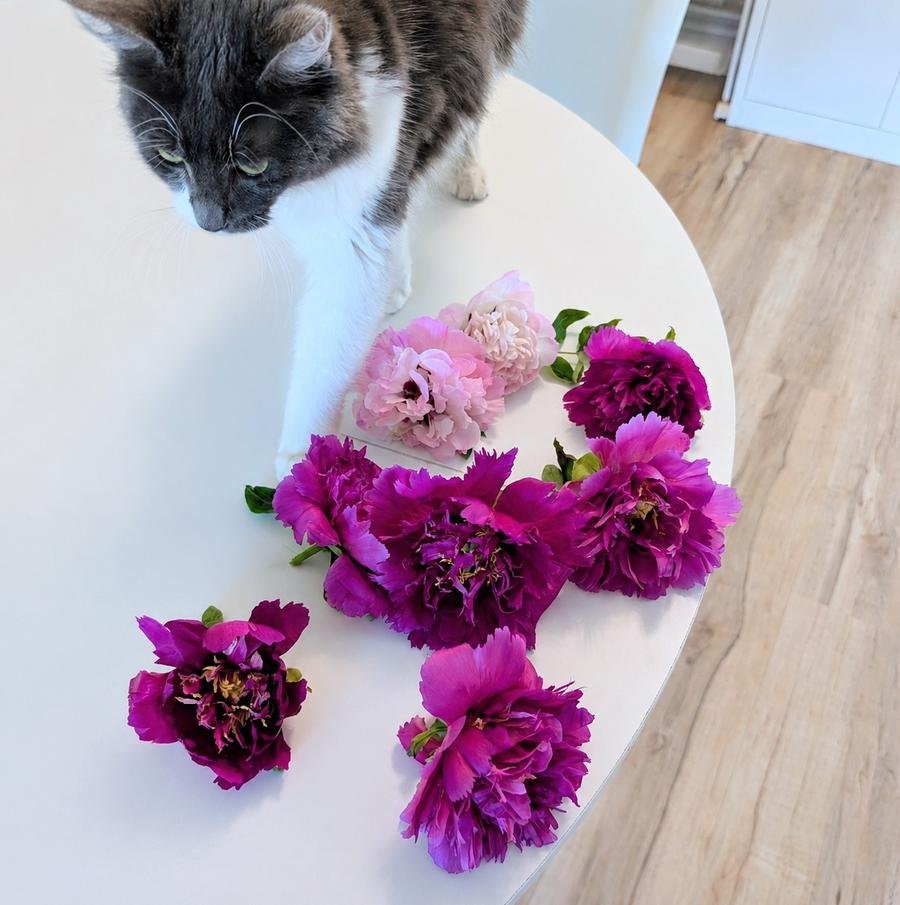
Lina with herbaceous peonies
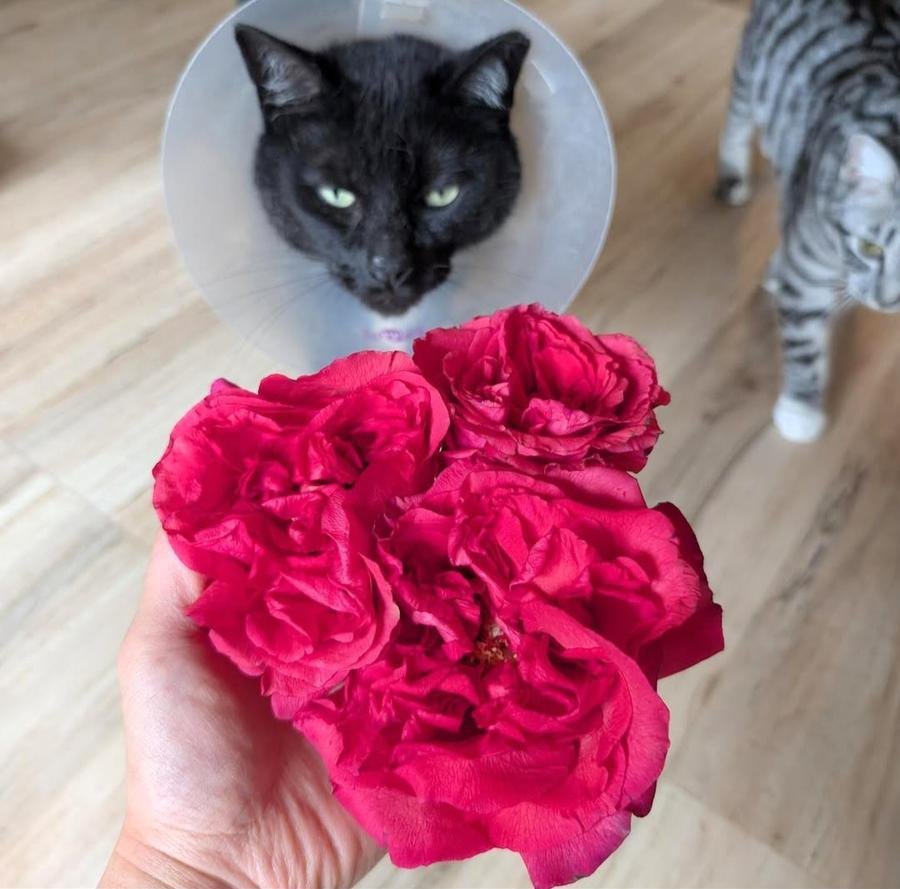
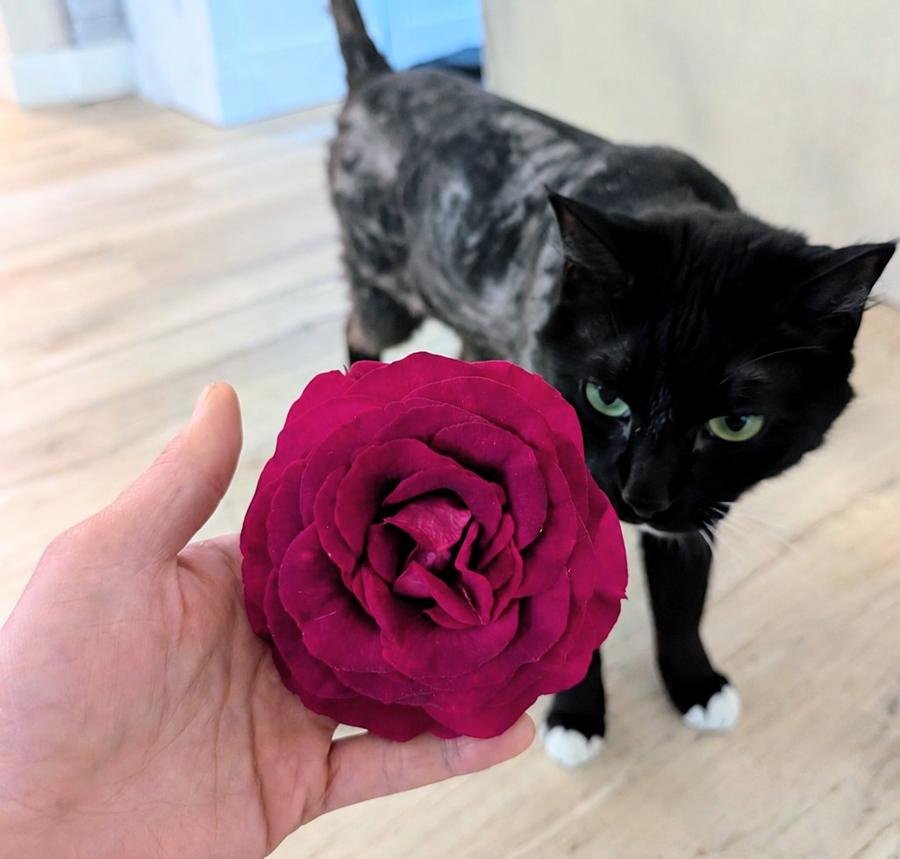
Dunkel isn't thrilled about red roses
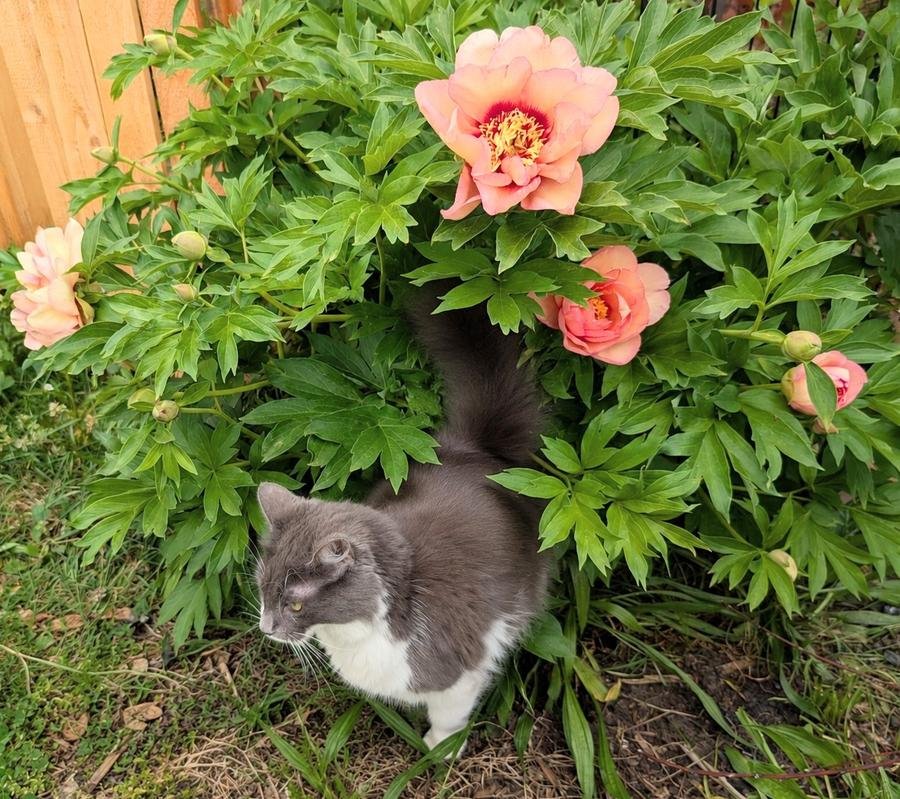
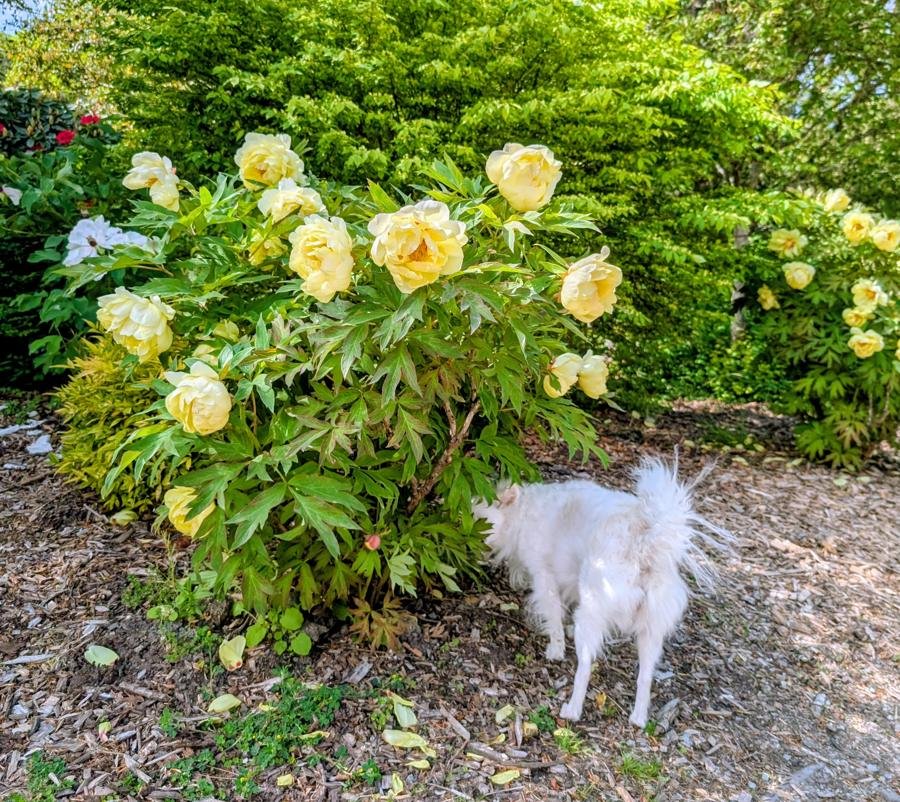
Hime is very good at destroying plant labels (ITOH peony)
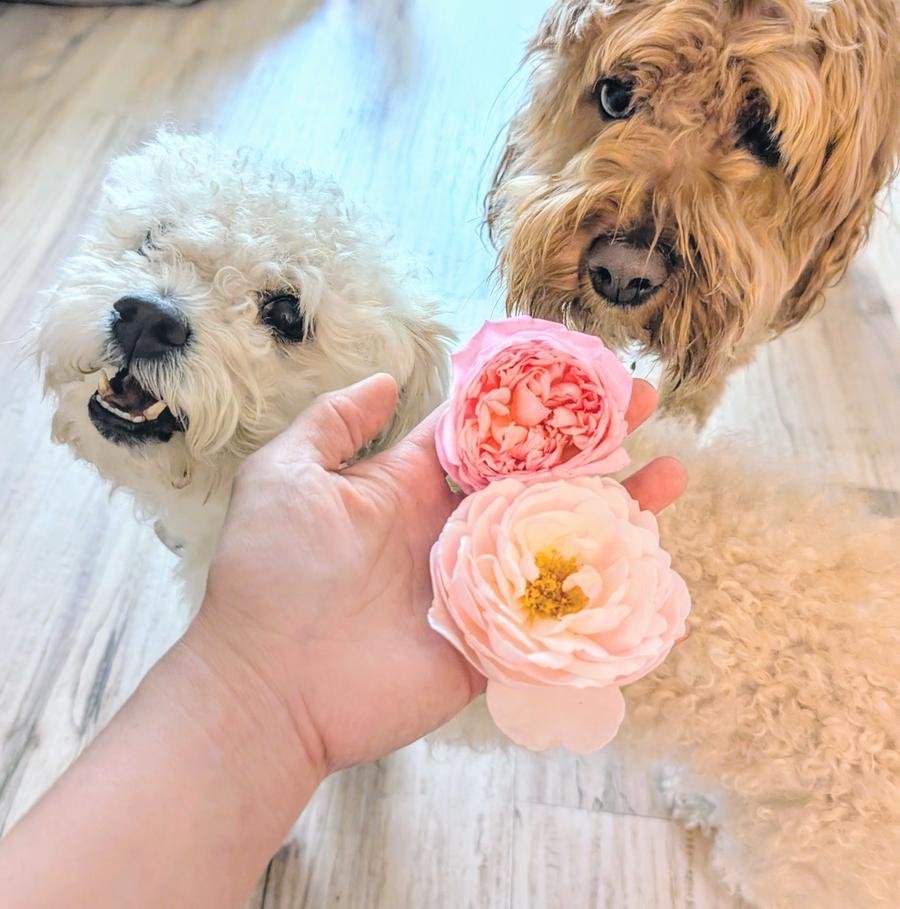
Sachi and Valo with English roses
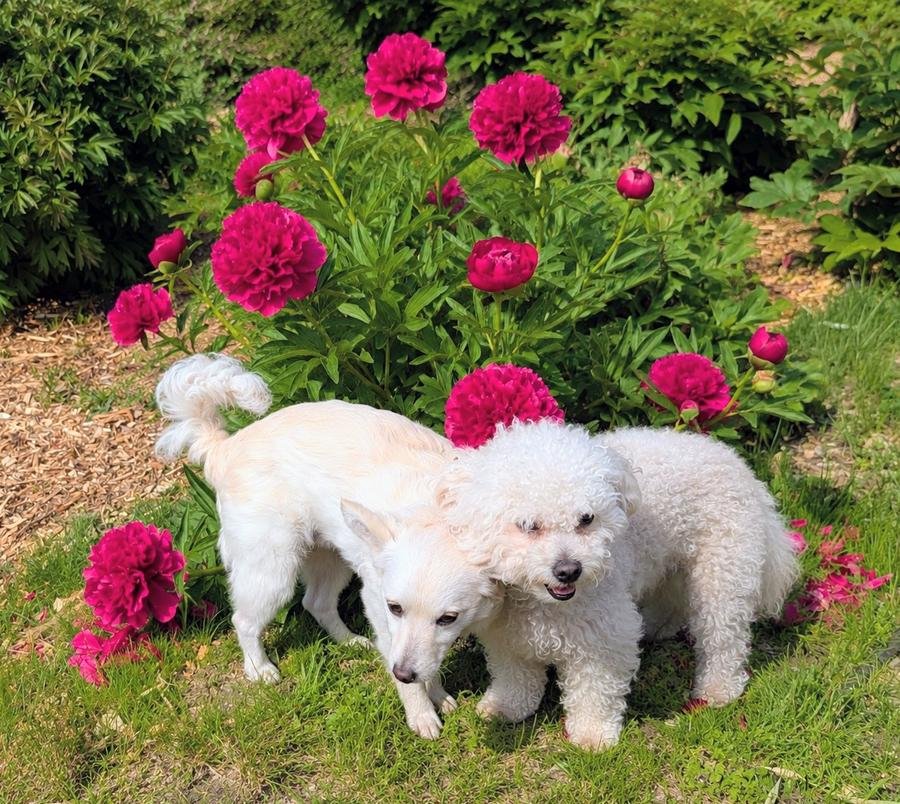
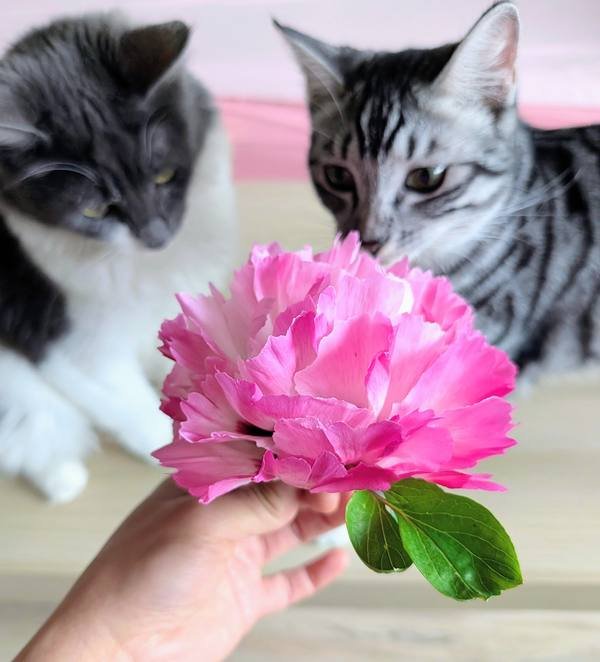
Kaori and Valo playing near a fuchsia peony bush
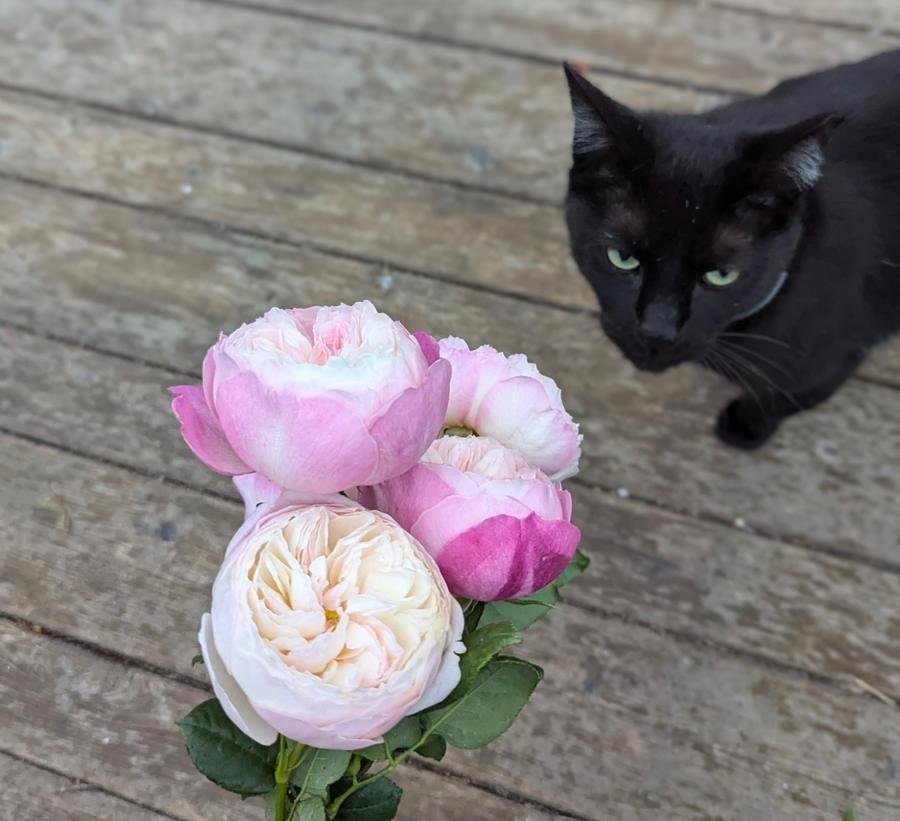
Dunkel next to Constance-lookalike roses
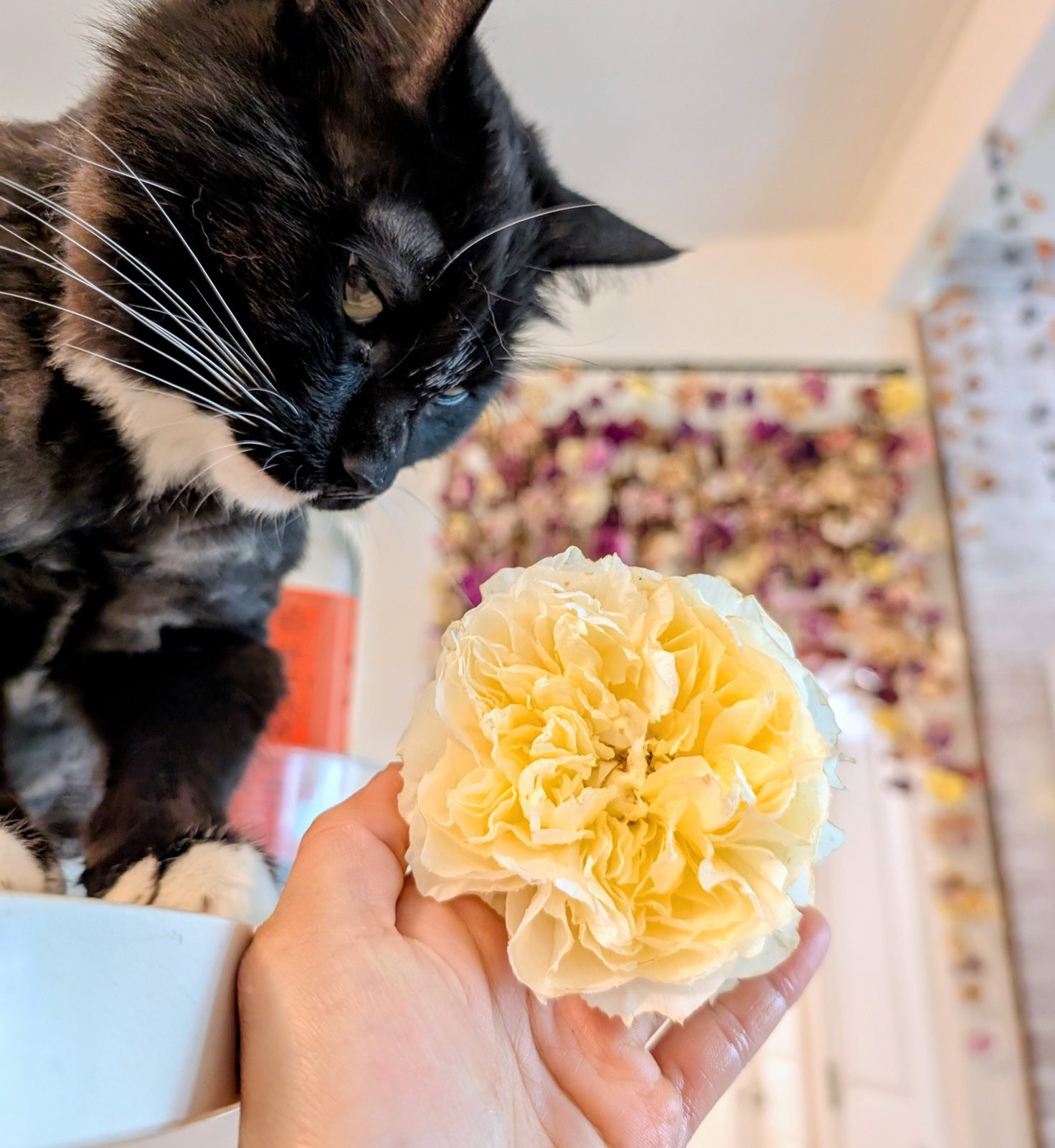
Fynn next to an Effie-lookalike rose

Some people leave,
but their love keeps blooming.
Every fall, we honor a woman whose love for people and nature, and gentle living continues to grow through the beauty she left behind.
Celebrates her memory with flowers, plants, and small acts of kindness that carry her love forward.
On October 29 we mark the day with the First Order Reward — a first order of $291.06 or more that day earns a $102.96 gift card toward new life in the garden.
"The world is more beautiful when things are nurtured with love."
Shop the collections →Edible plants
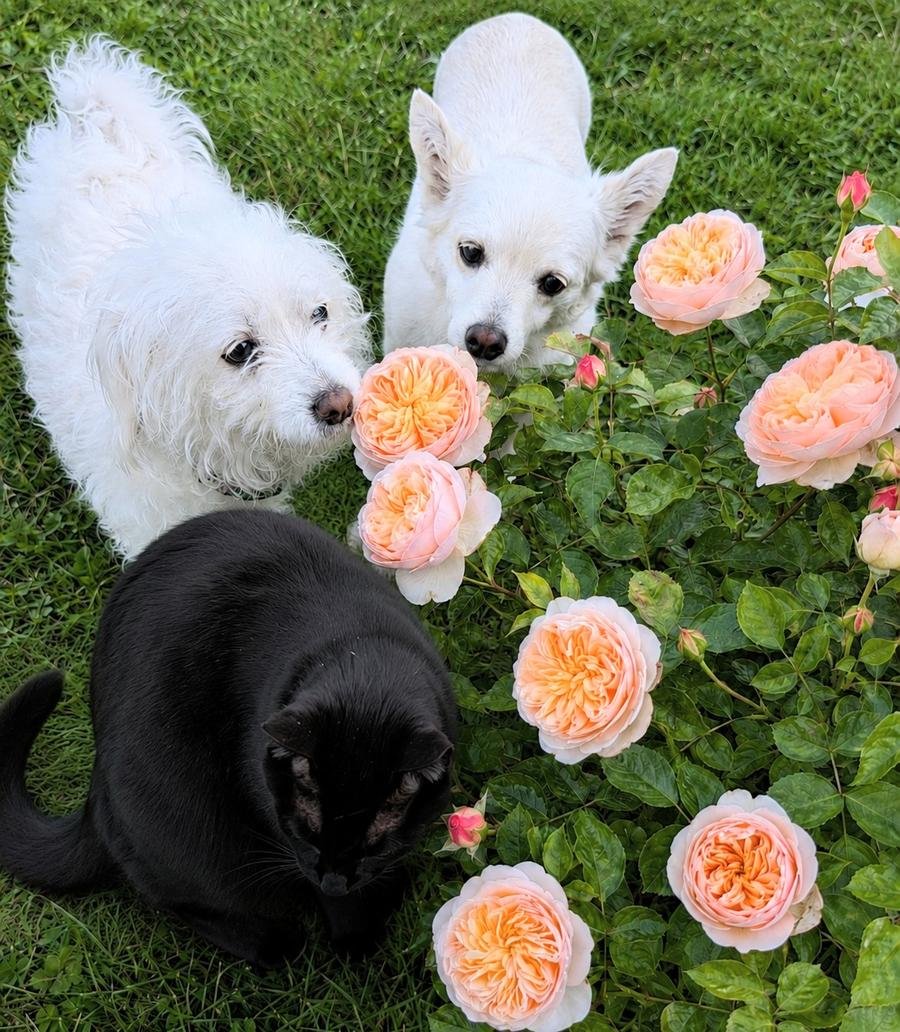
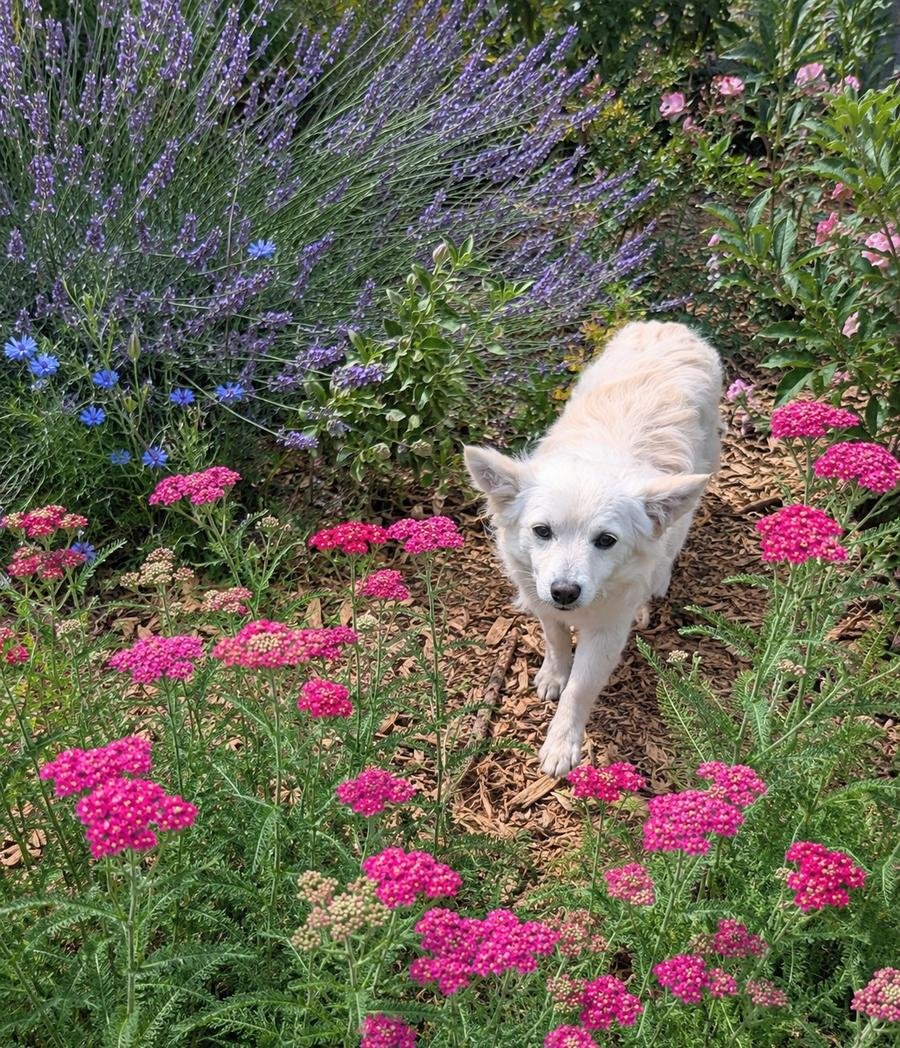
Garden's companion
View all →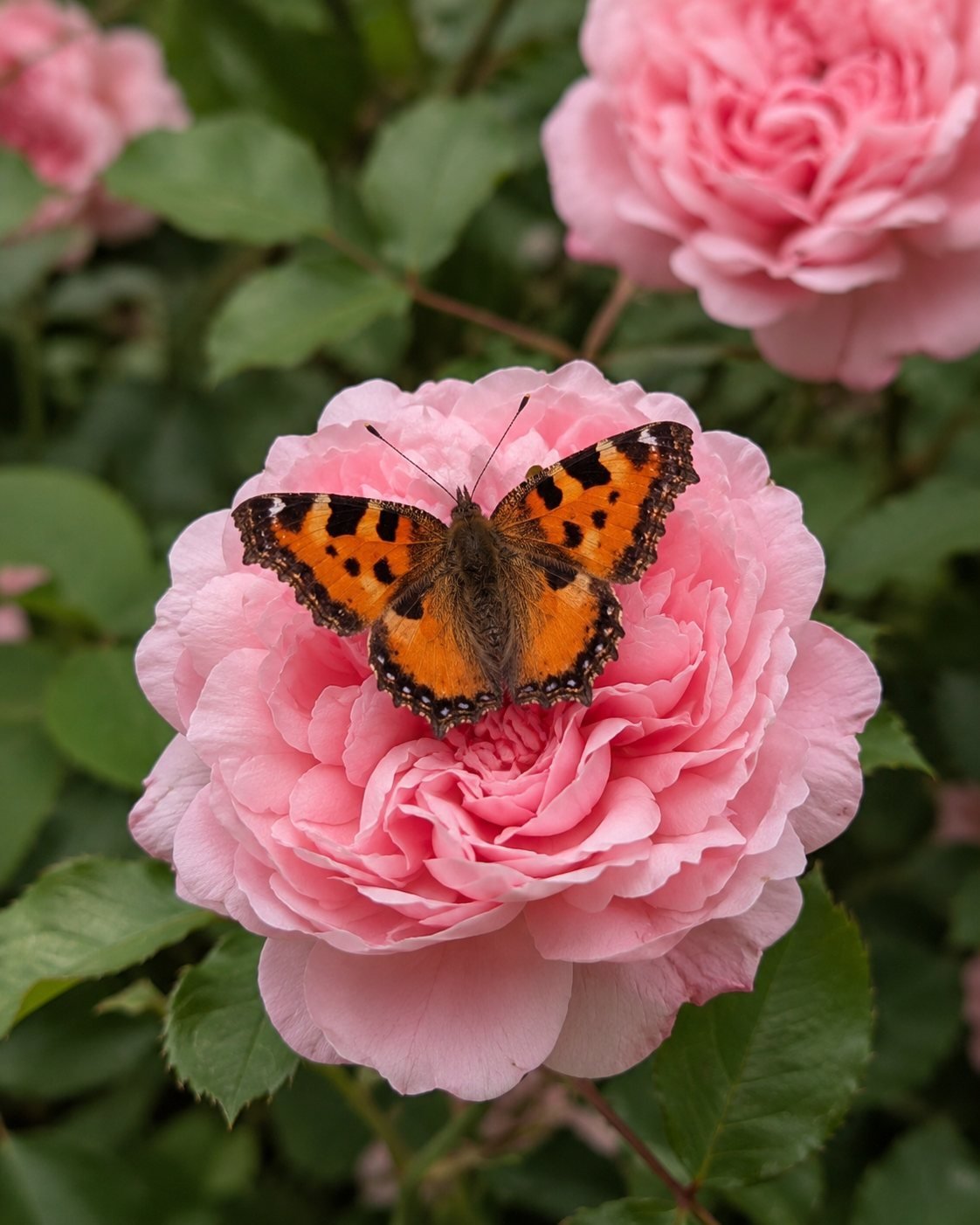
Butterflies
Grow flowers in mass to attract butterflies. Native wildflowers, milkweed, and colorful blooms create a sanctuary for these vital pollinators.
Shop butterfly friendly plants →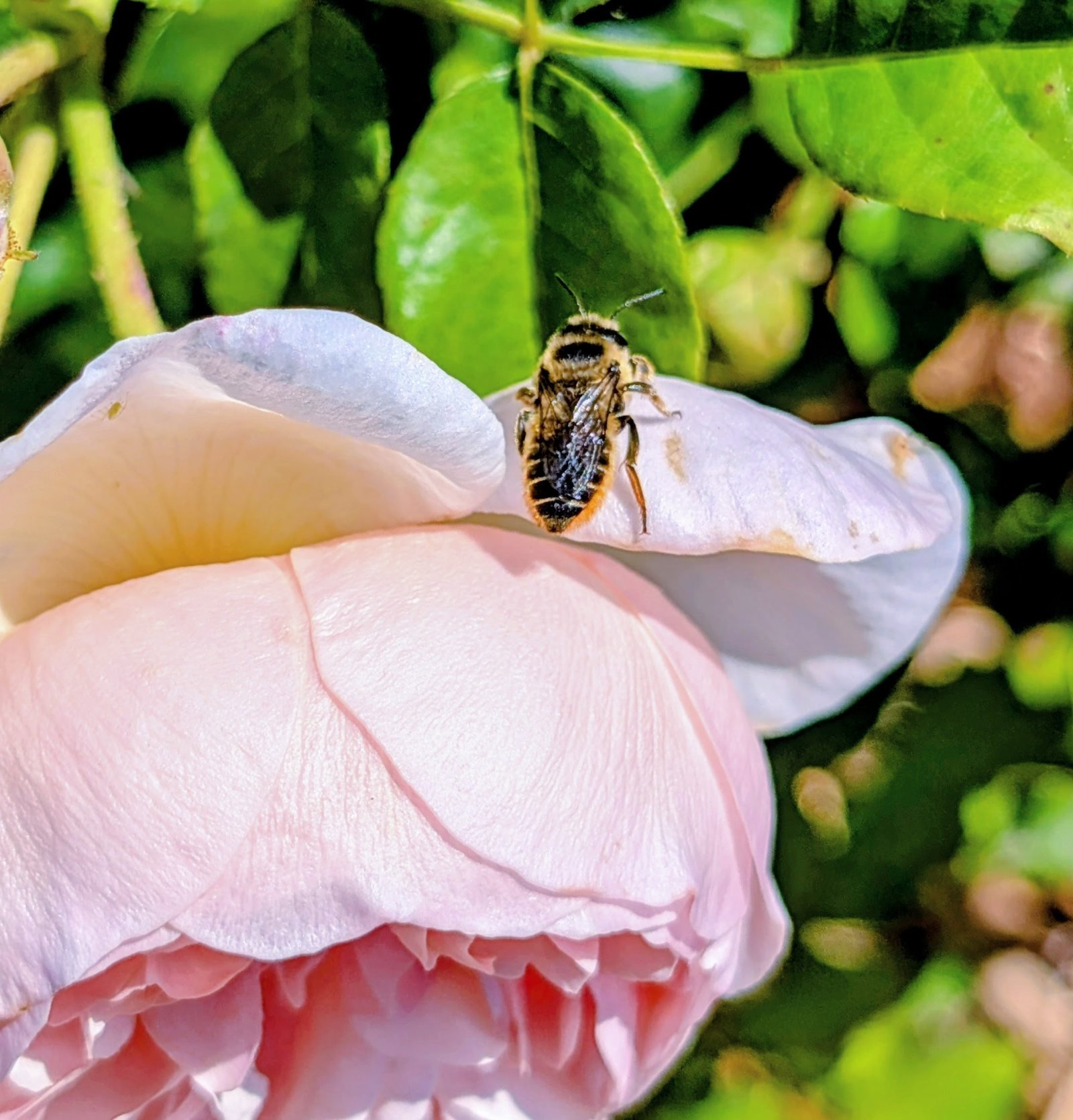
Bees
Grow nectar rich plants for bees. Lavender, borage, phacelia, and fruit tree blossoms support healthy bee populations and improve your harvest.
Shop bee friendly plants →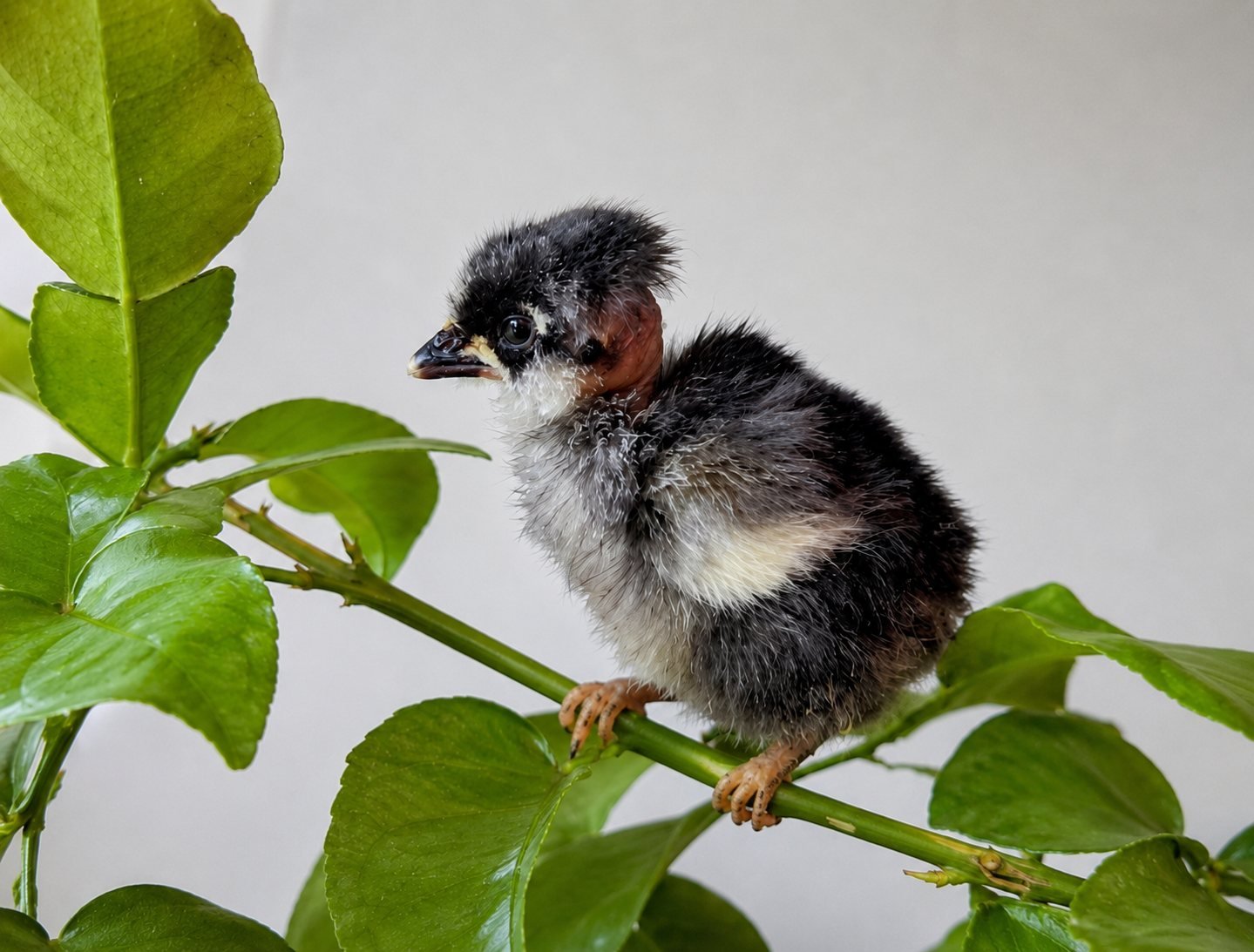
Birds
Attract birds with fruit bearing plants. Berry bushes, sunflowers, and seed-producing plants bring hummingbirds, finches, and songbirds to your garden.
Shop bird friendly plants →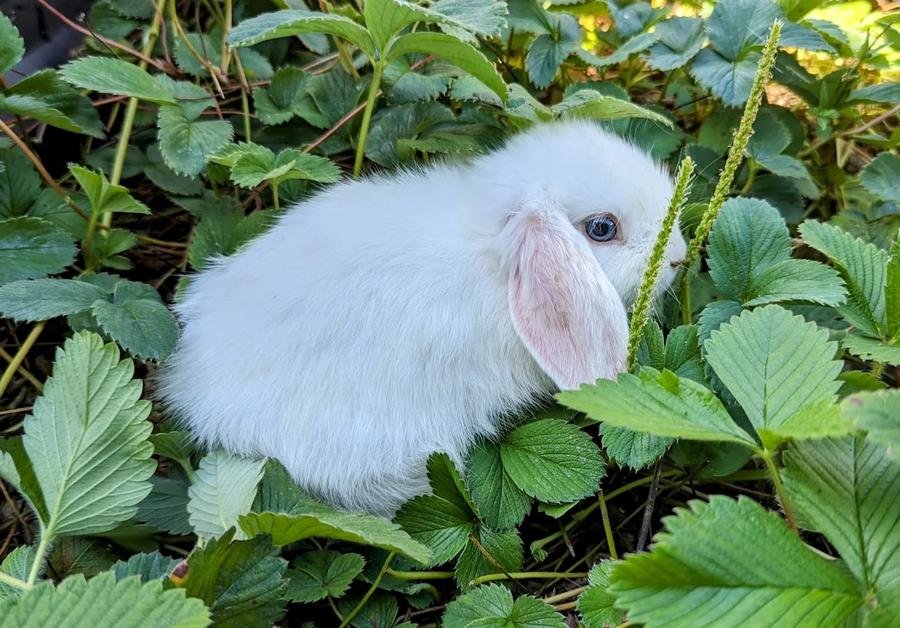
Nature's superior fertilizer
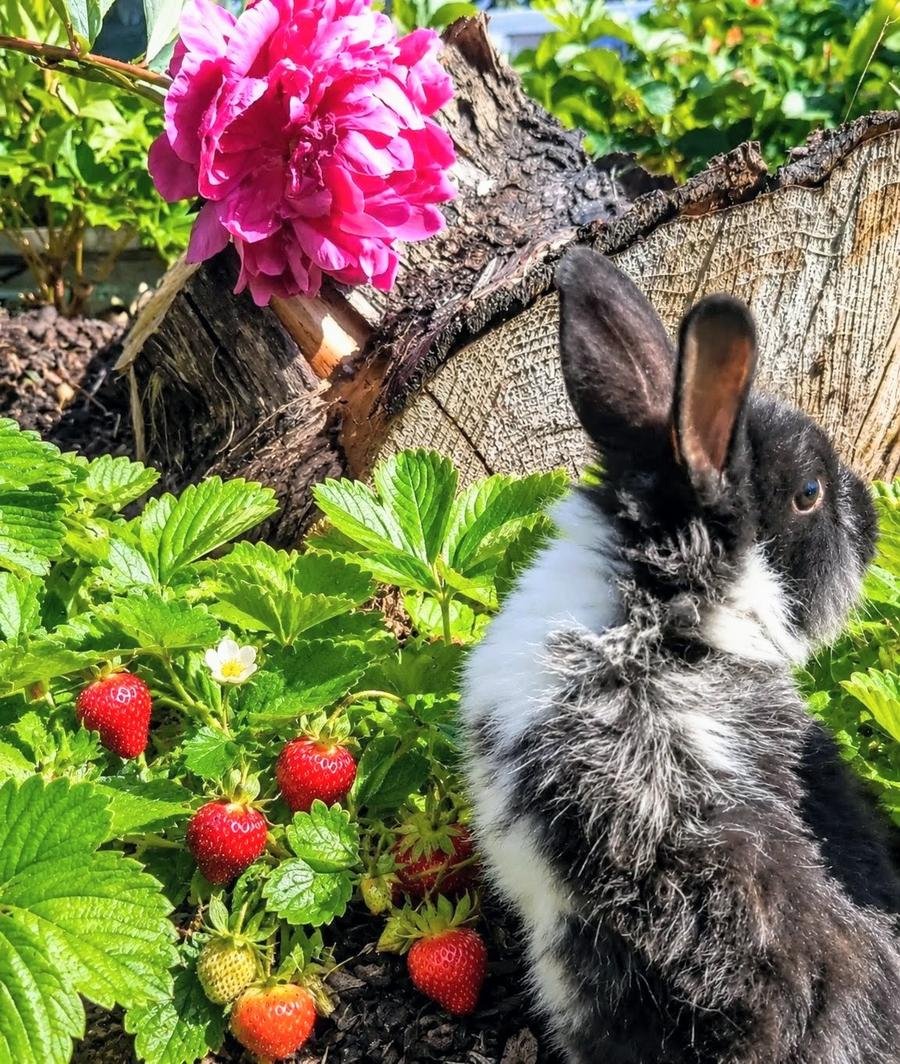
Rabbits are more than companions — they're your garden's best friend. Their droppings are a cold manure that goes straight to your garden beds without burning roots.
🌱 Implements: Sprinkle droppings onto garden beds, mix into compost, or steep in water to make rabbit manure tea for watering plants.
⚠️ Cautions: If rabbits roam freely, they may eat seedlings, dig holes in soft soil, and chew bark on young trees.
✅ Solutions: Create a large designated area to house rabbits and control where they roam in your garden.
Crazy plant lovers
"There's always more space for plants."
A community gallery for plant obsessives everywhere. Tag #PhyTuPlantLover on social media or email your photo to be featured here.
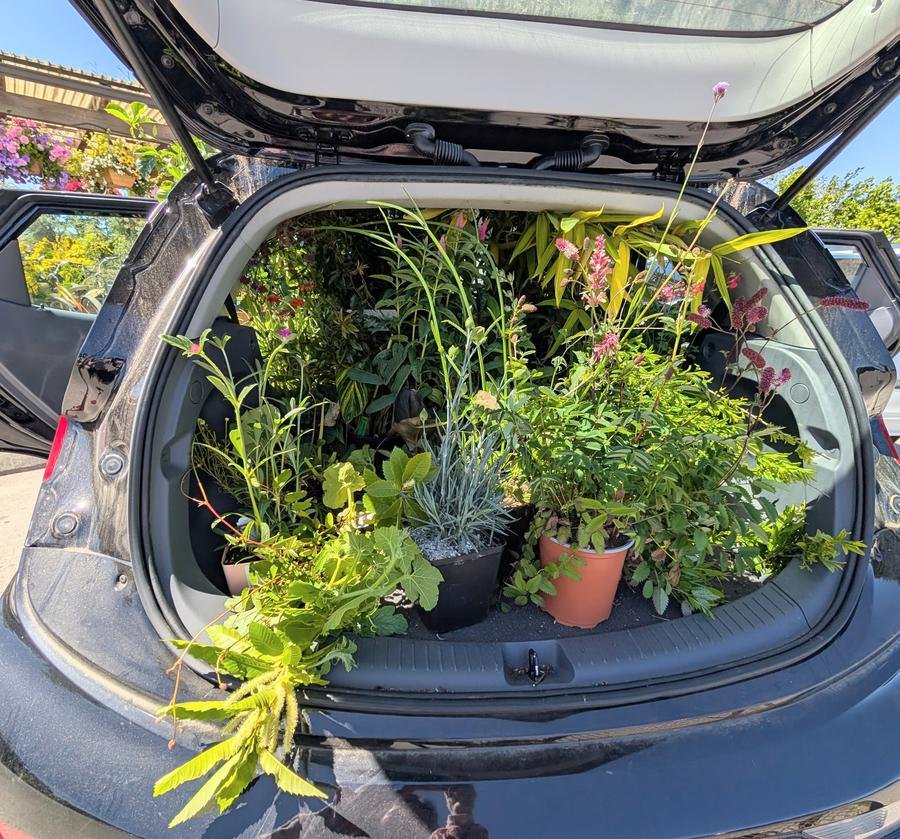
"There's always room for more plants."

Promotions & freebies
We believe in sharing nature's abundance. From free seeds and plant cuttings to complimentary starts with qualifying orders.
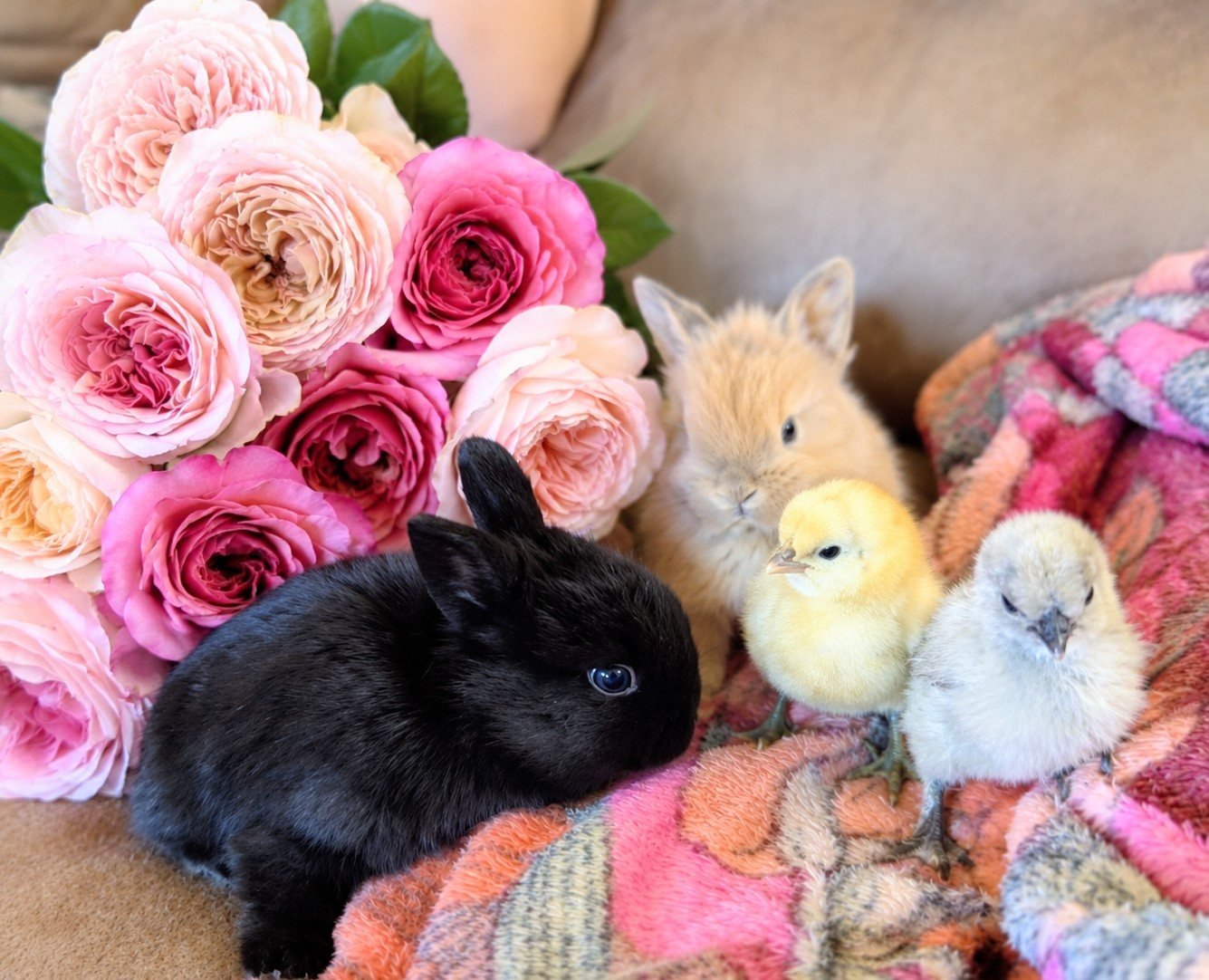
🌱 Free seeds · Plant cuttings · 🍓 Tomatillo fruits · ⭐ Stars of Bethlehem · 🌼 Wildflower starts
Browse free listings →Fresh flowers


84+ stem mixed package — Blush & Peach
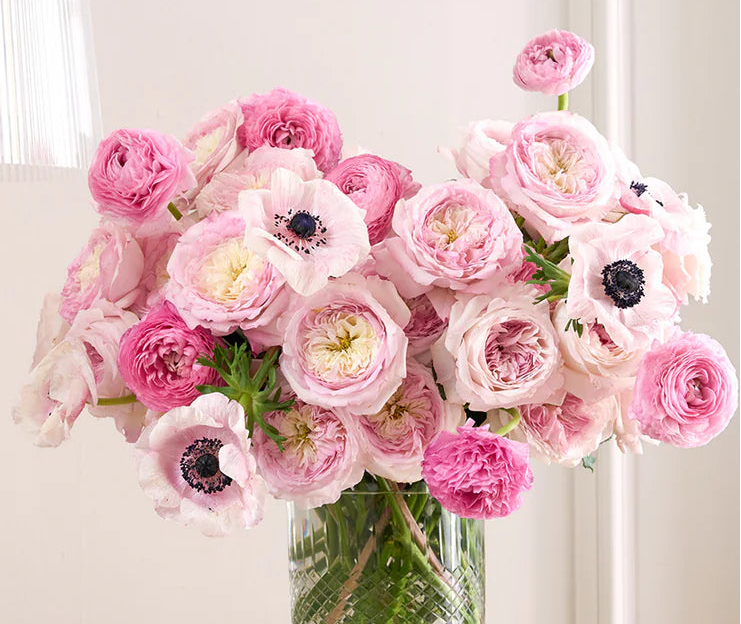
84+ stem mixed package — Romantic Pink
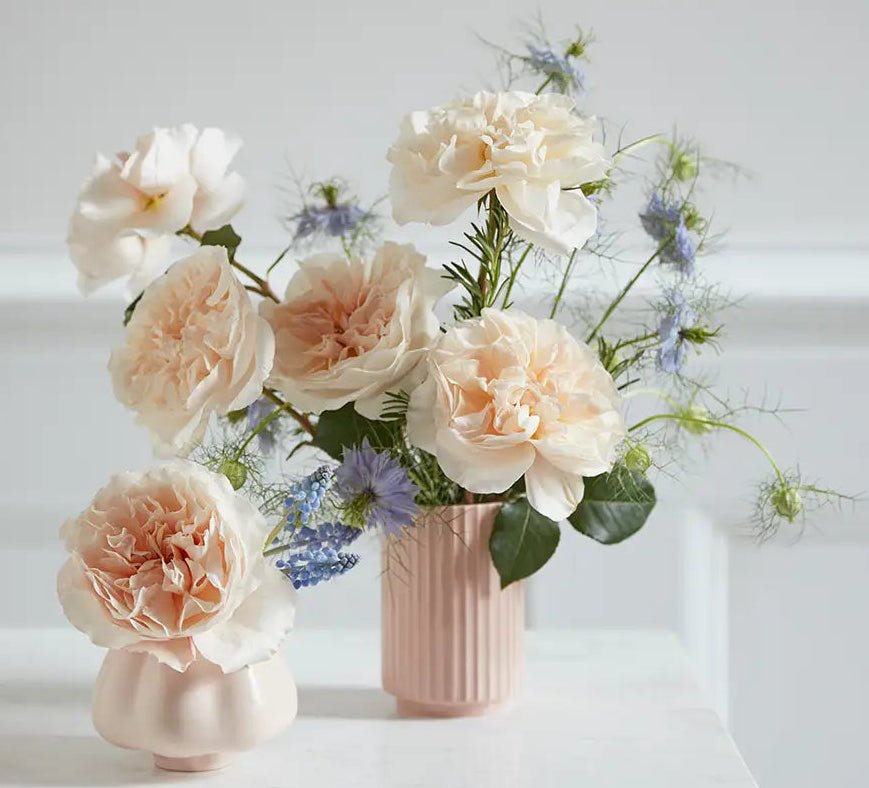
84+ stem mixed package — White & Cream
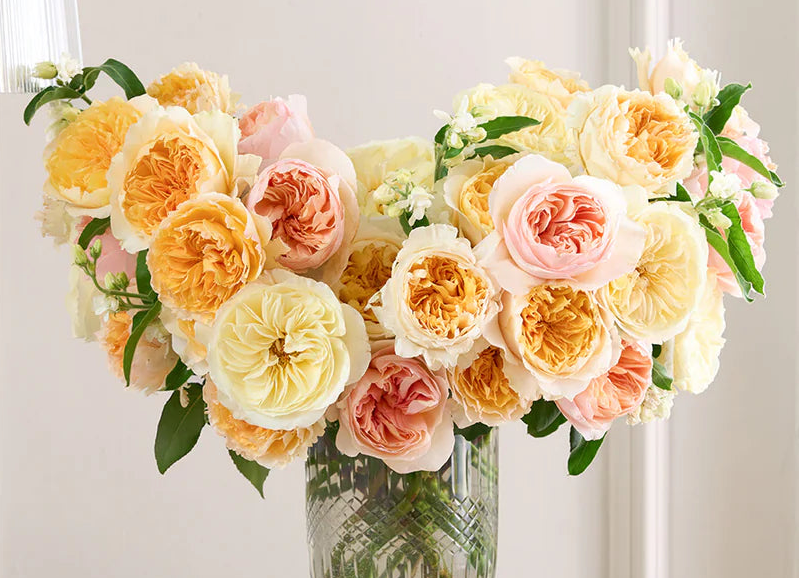
84+ stem mixed package — Fall Harvest Gold
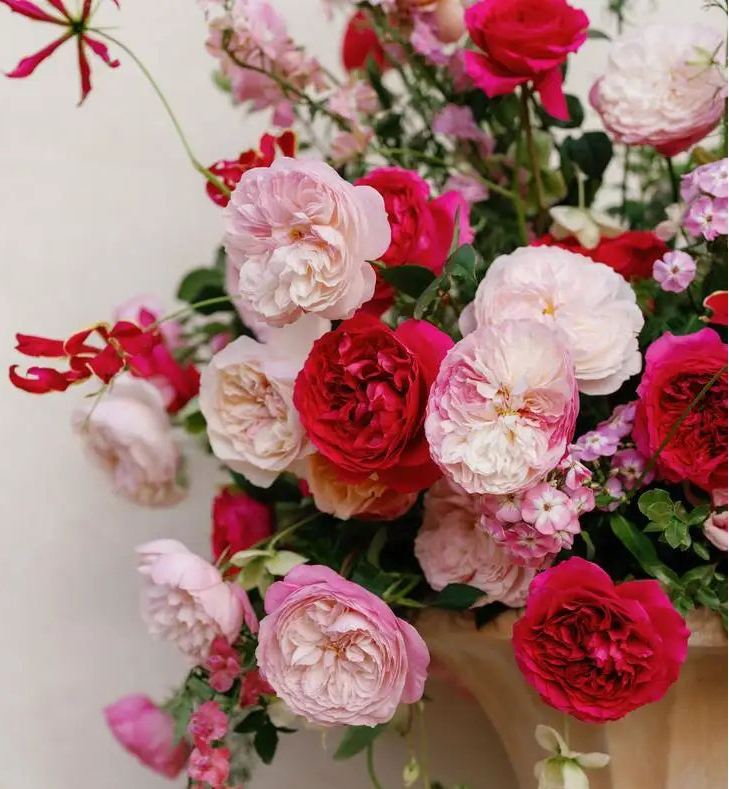
84+ stem mixed package — Red & Pink
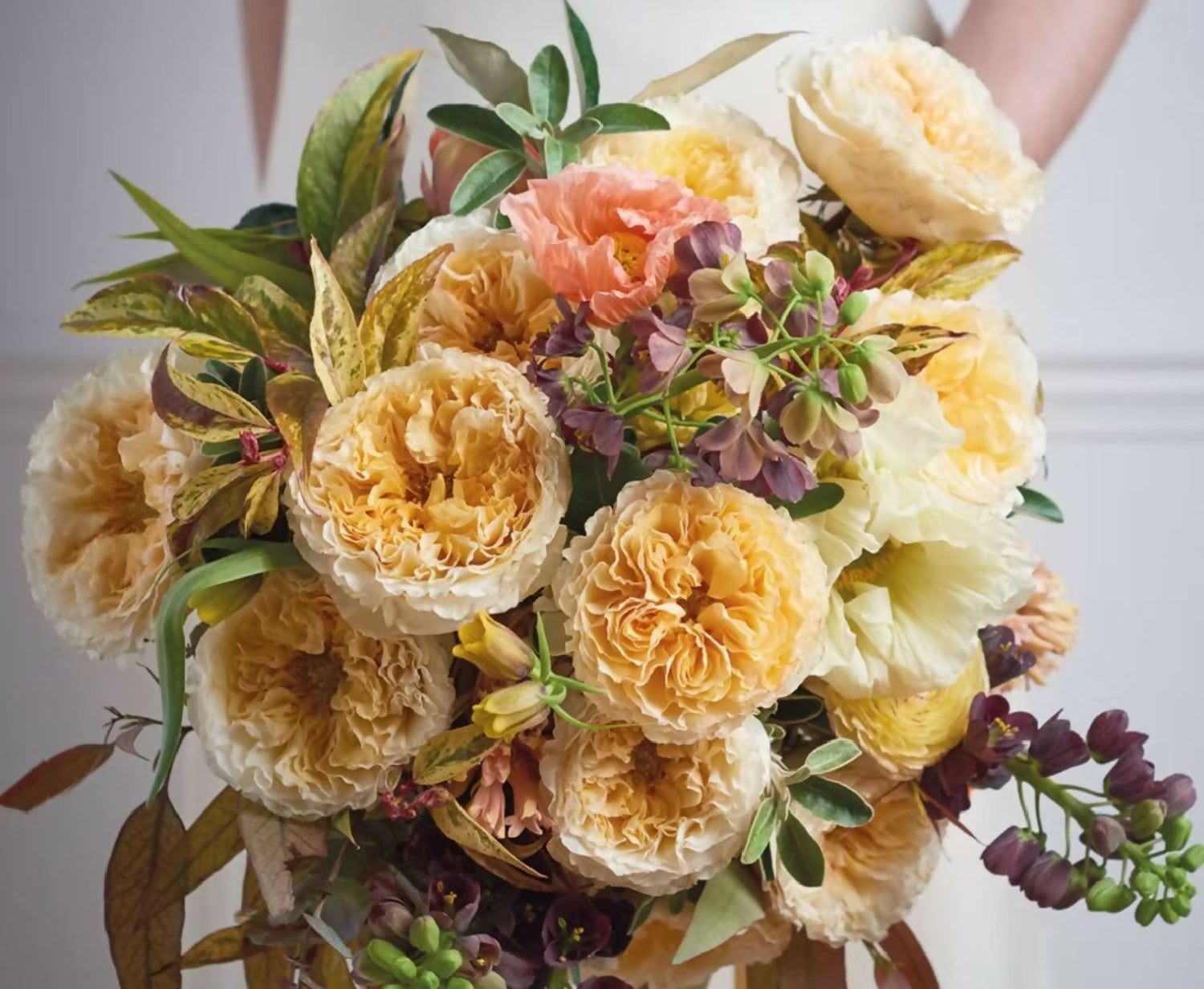
200 roses — Wabara, Princess & David Austin mix

211 roses — fall theme, large deluxe & spray

138 stems — Queen's Crown with peony & ranunculus

Featured stores
Discover trusted vendors hand-picked for their quality, ethics, and love of what they grow.
China Paeonia Tree Peony
Rare and heirloom Chinese tree peonies grown with generations of knowledge and love.
View 247 products →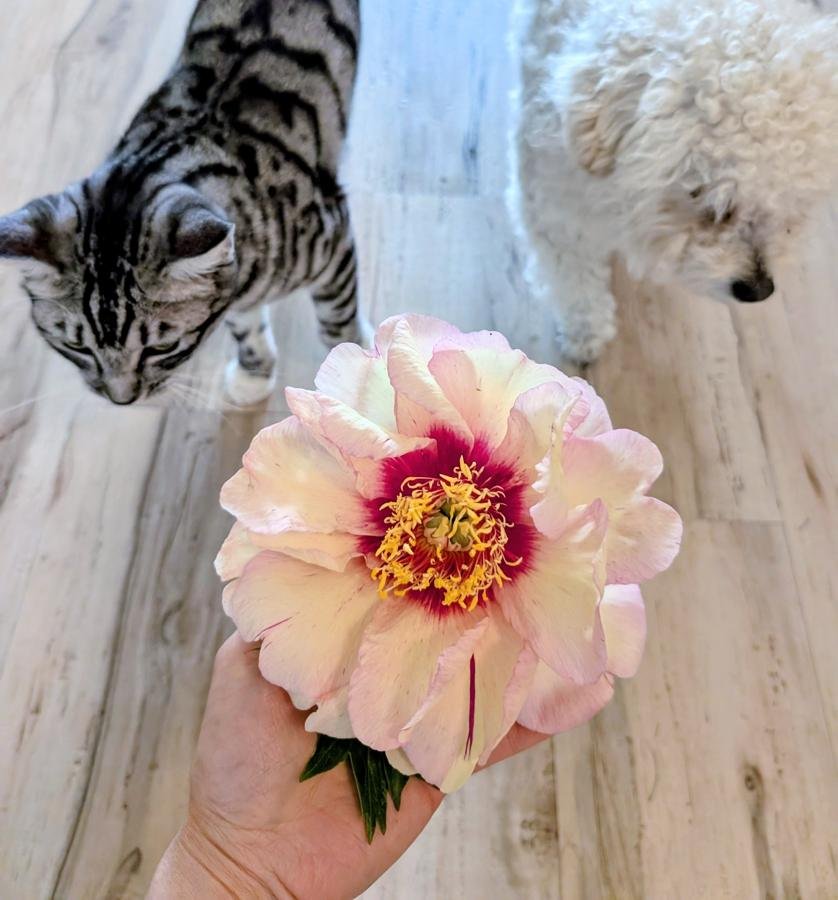
Dutch Bulbs
Premium Dutch bulbs for seasonal planting — tulips, dahlias, irises and more.
View 63 products →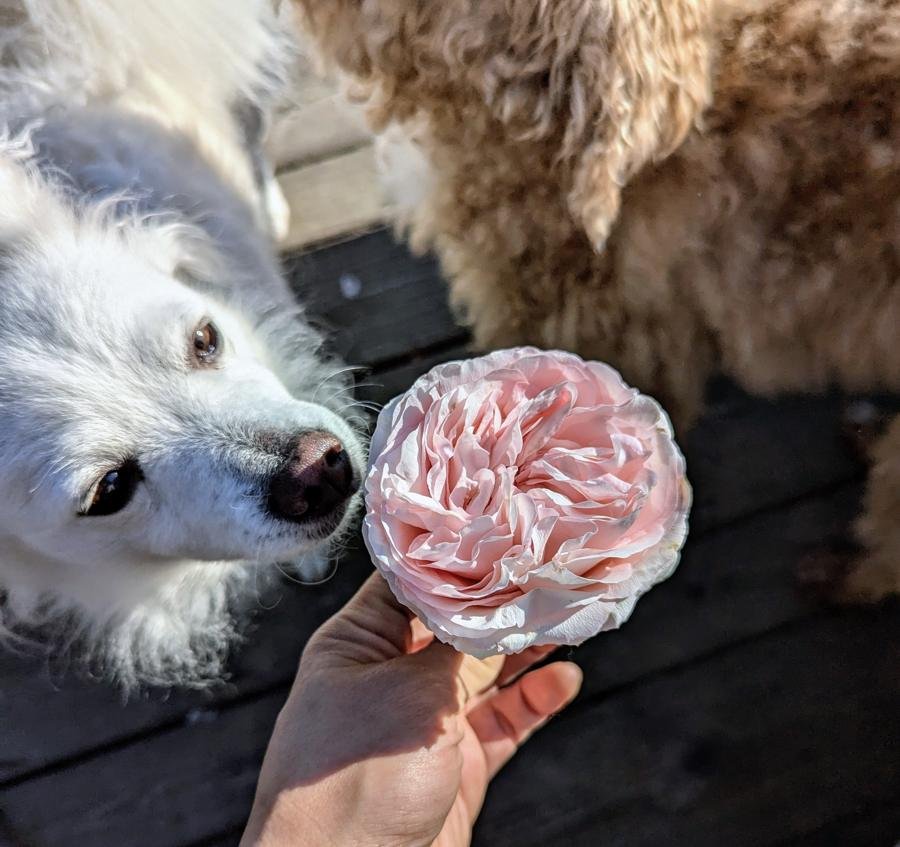
Bella Thornless
Unique thornless rose varieties — all the beauty, none of the scratch.
View 28 products →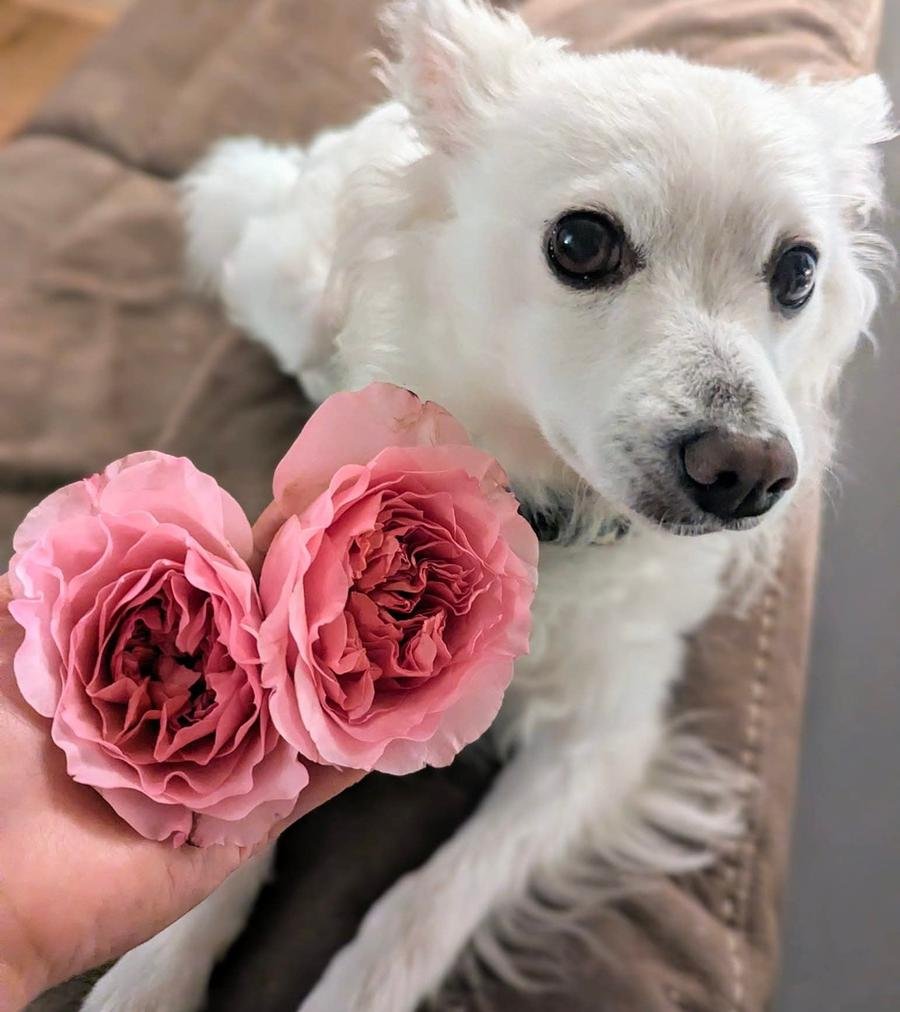
Christine's Rare Roses
Curated collection of rare and hard-to-find garden rose varieties.
View 41 products →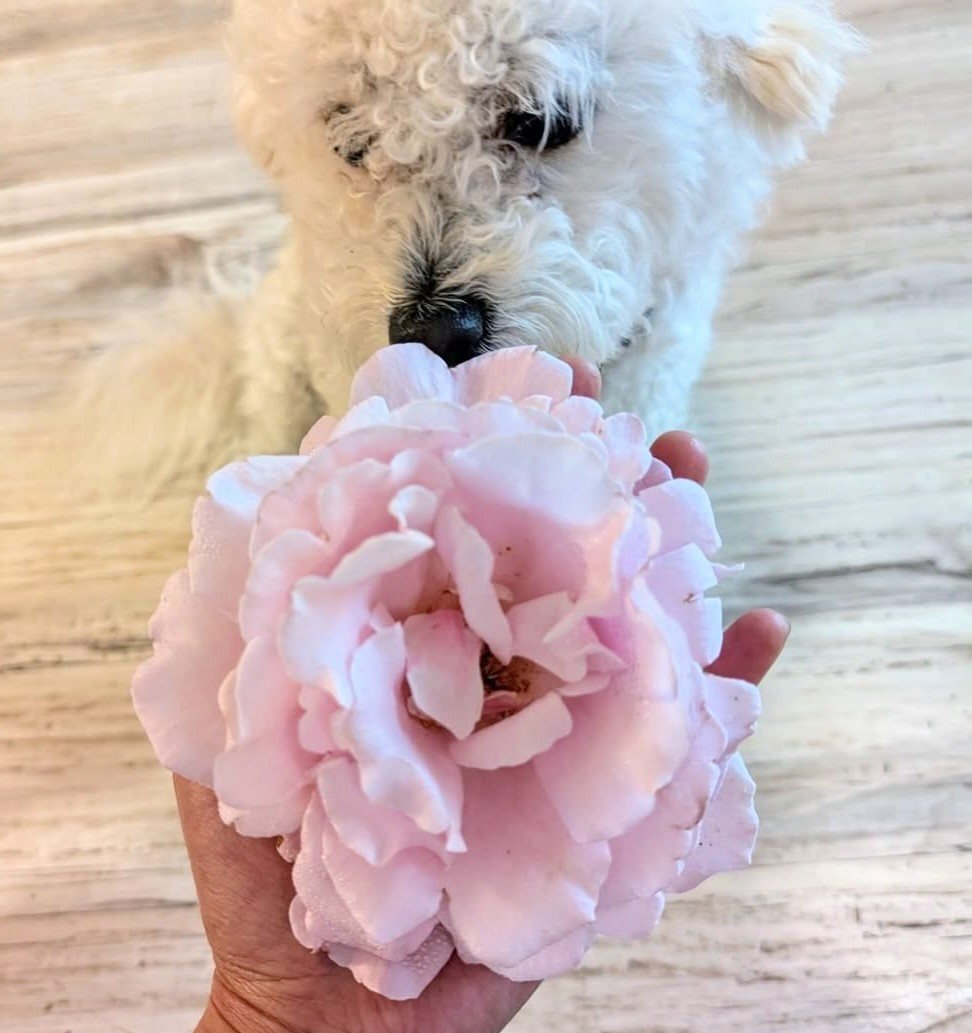
Fresh Flowers by Alexandra Farms
Farm-fresh roses and seasonal cut flowers, grown with care and delivered to your door.
View products →
Wandering Nursery
Store coming soon
LY Nursery
View products →
Find sellers near you
We make it simple for shoppers to connect with local sellers — getting your orders faster, cutting shipping costs, reducing environmental impact, and avoiding unnecessary disputes.
Faster delivery
Local pickups mean plants arrive healthier and fresher.
Lower costs
Skip expensive long-distance shipping fees.
Eco-friendly
Fewer shipping miles means a smaller carbon footprint.
Adopt animals
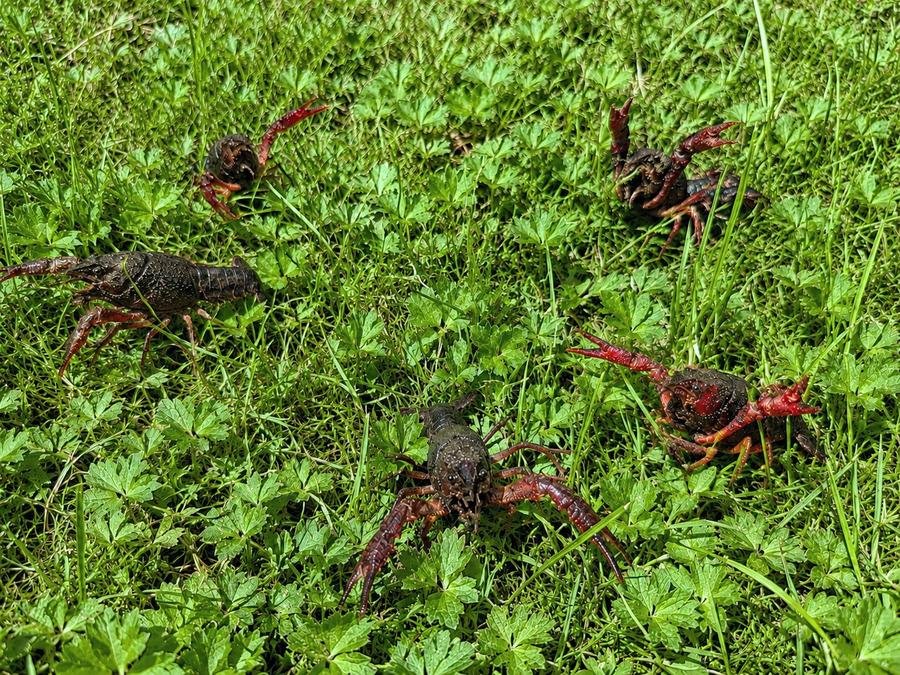
Give an animal a loving home. Browse adoptable animals near you — aquatic, land, aerial, and small companions looking for their forever family.
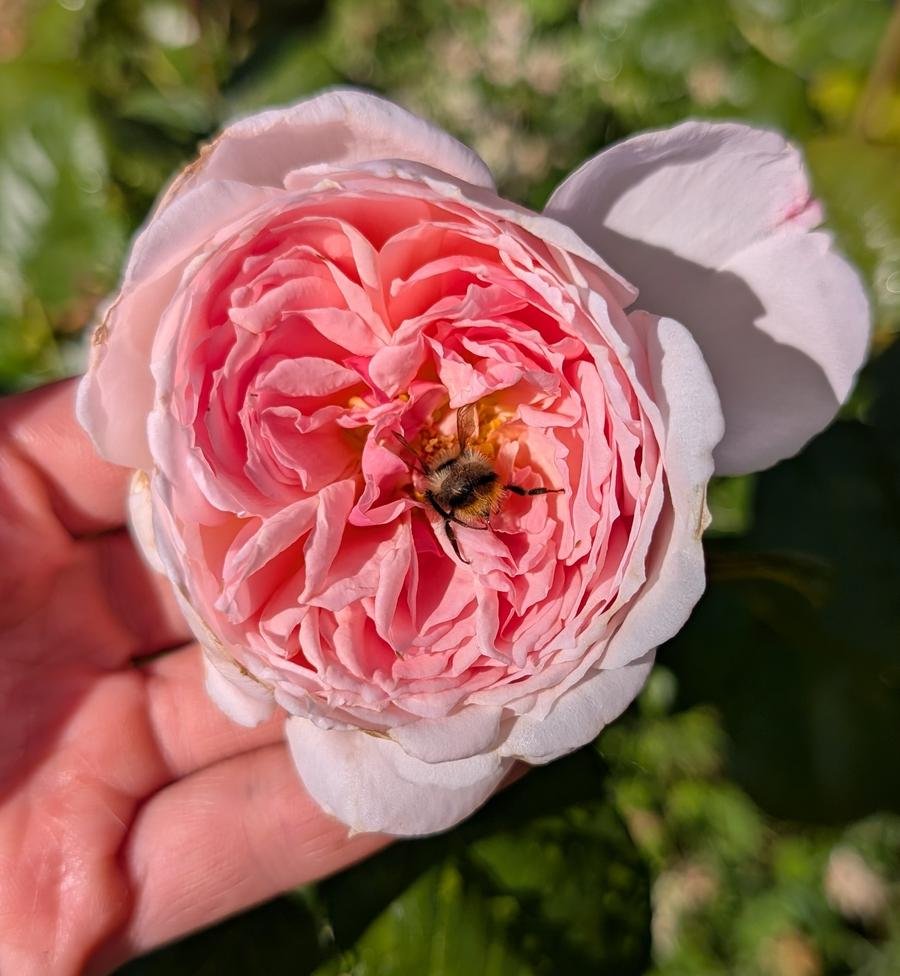
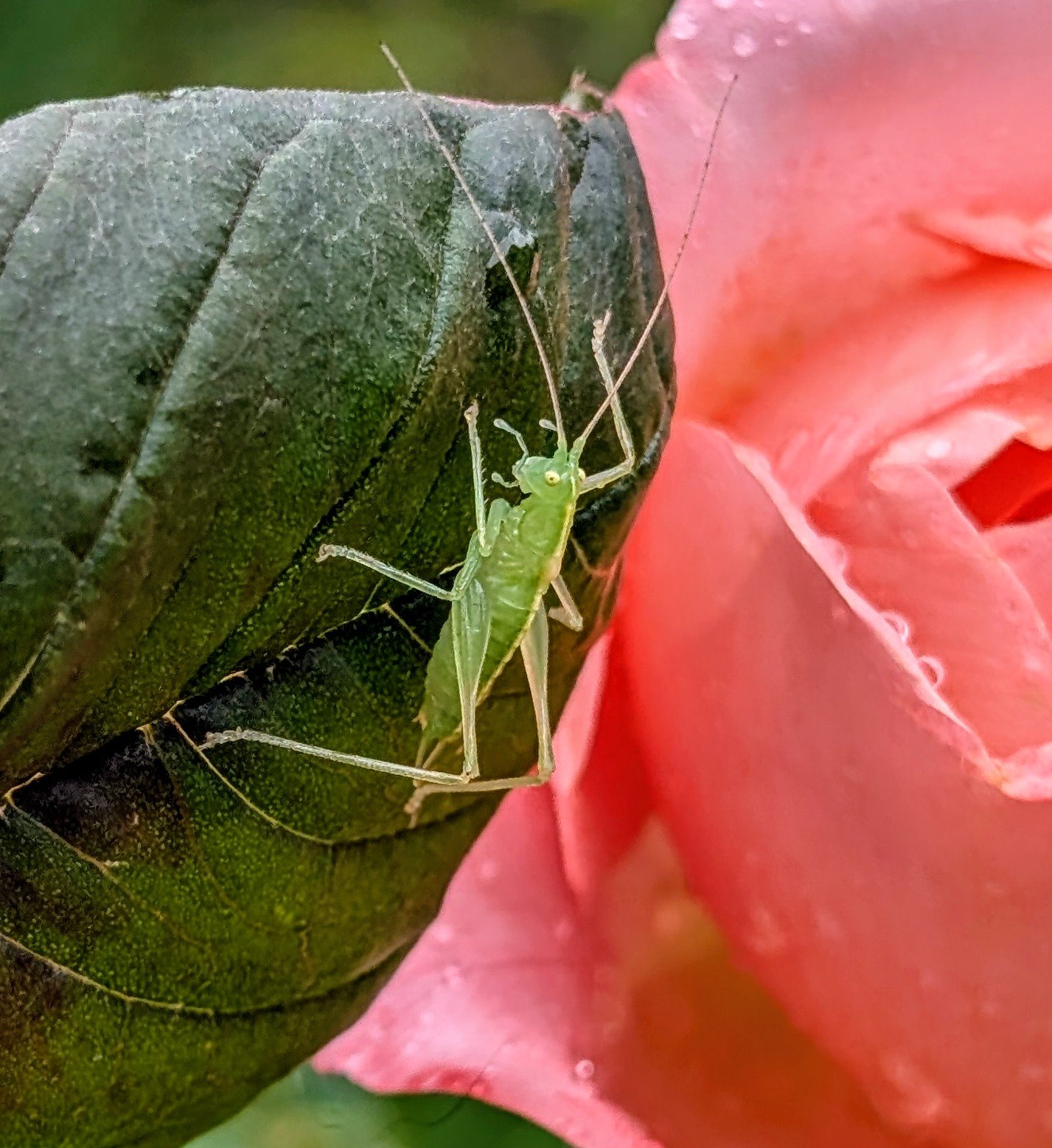
🌿 Land animals
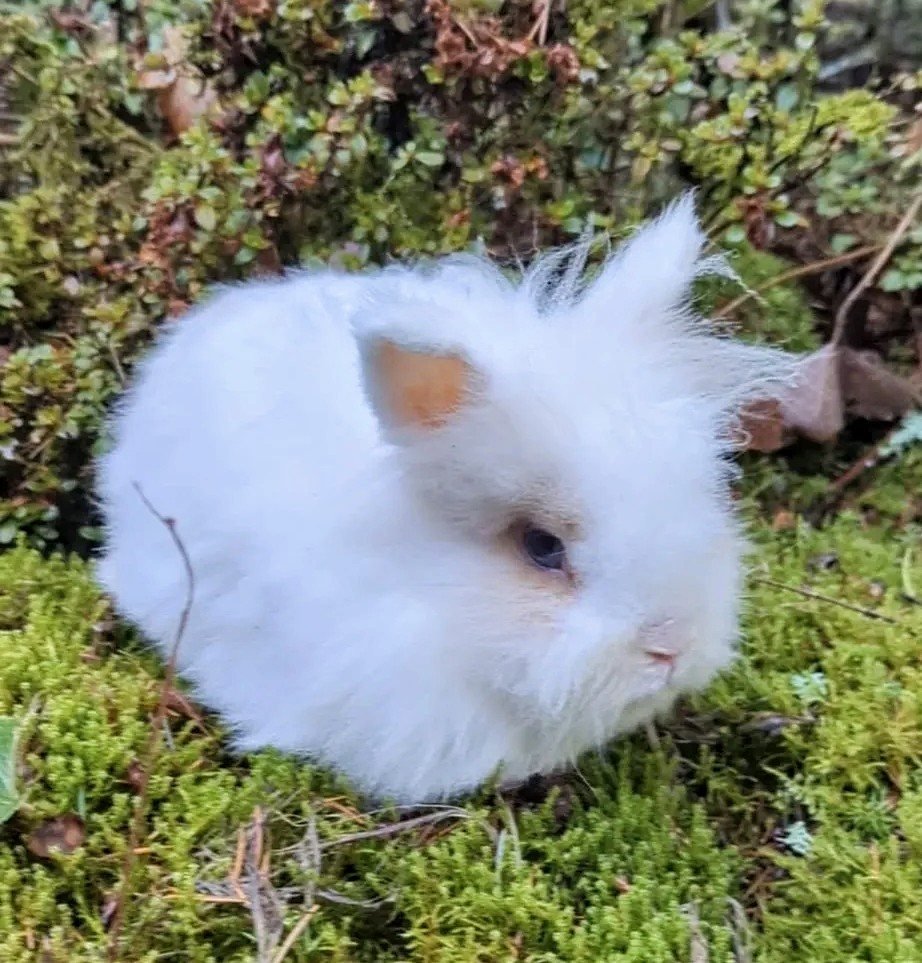
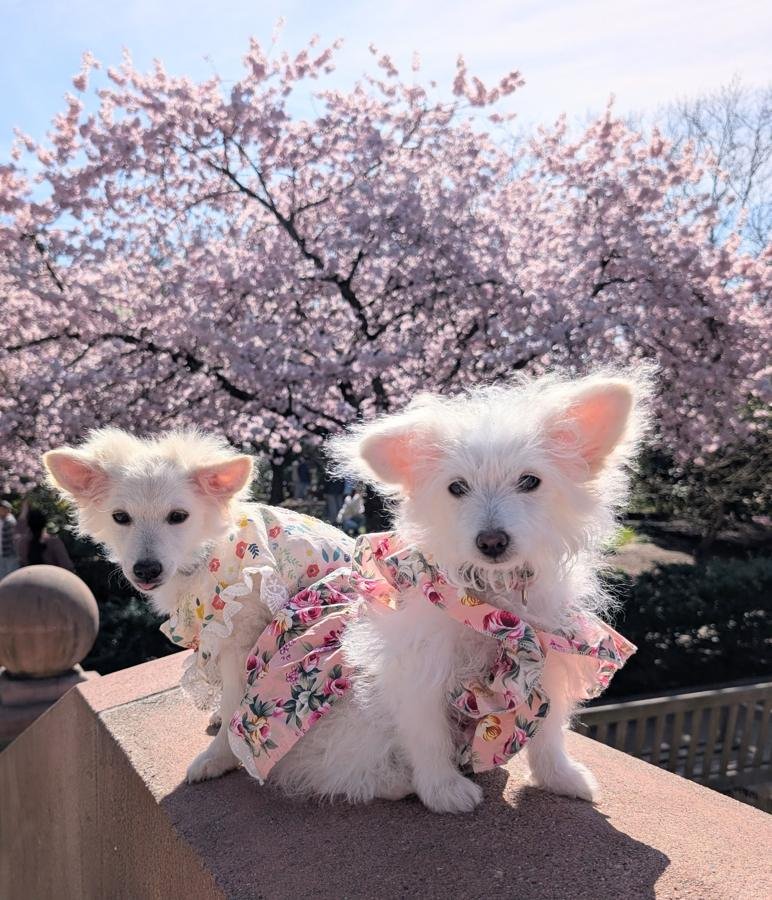
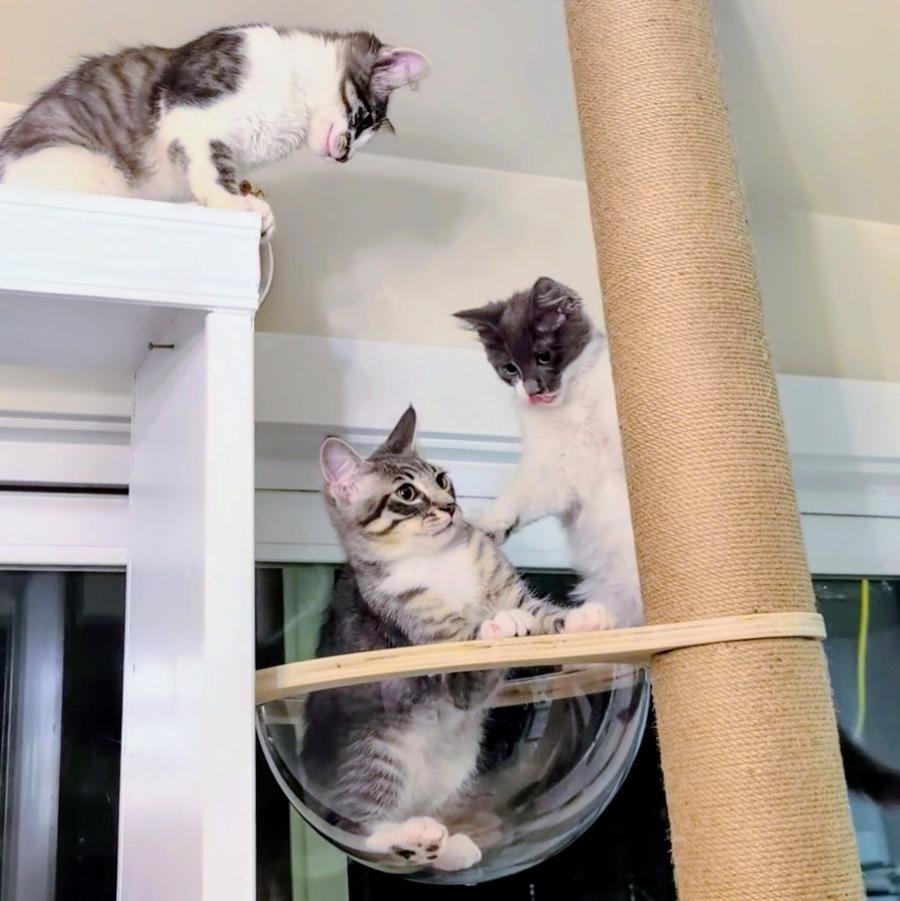
Show more ▾
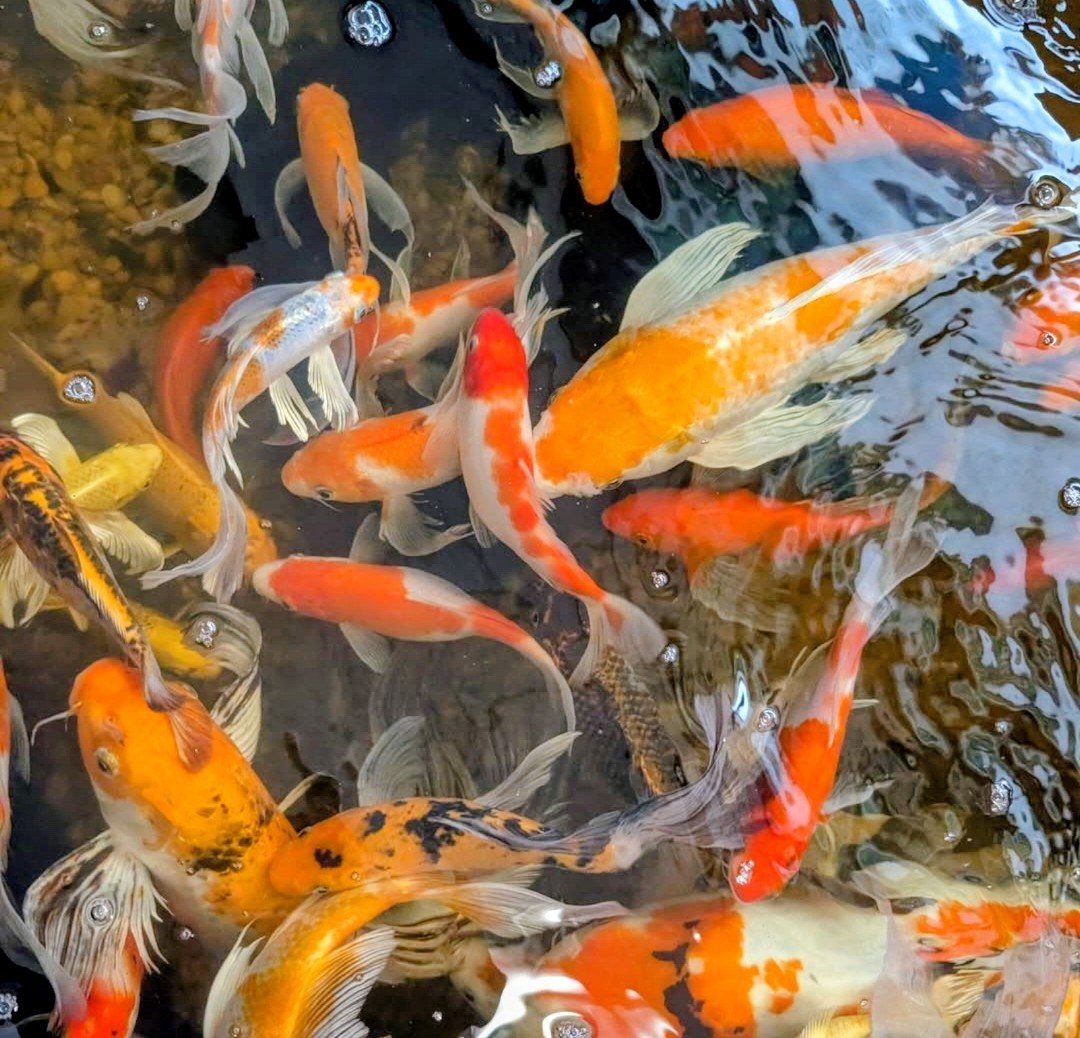
💧 Aquatic animals
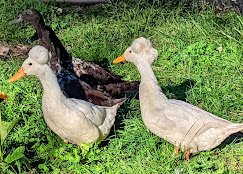
🕊️ Aerial animals
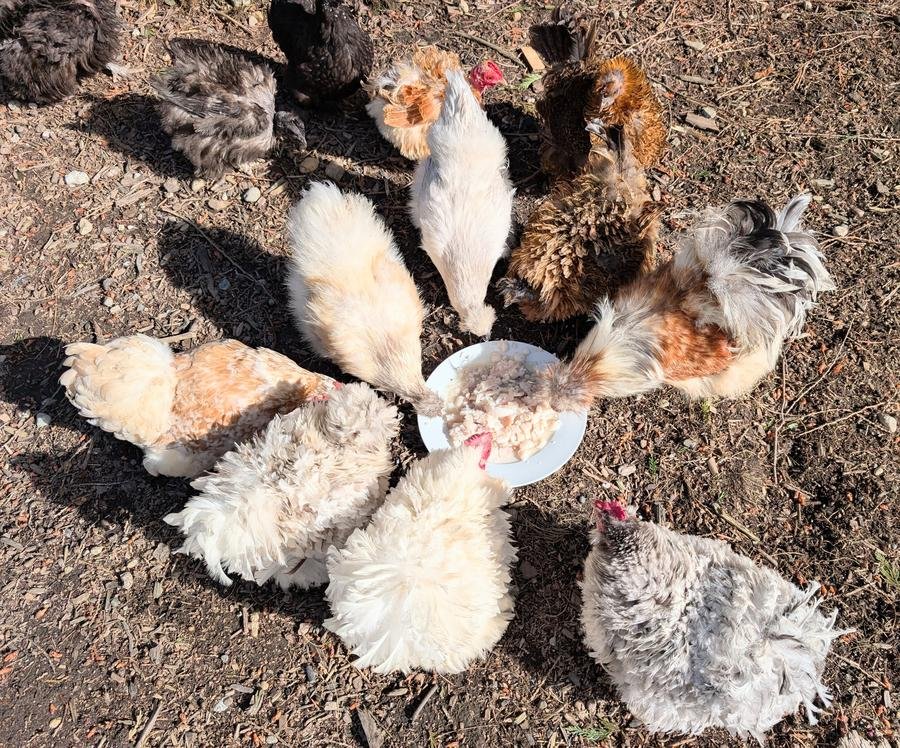
Poultry types ▾
Rescue animals
View all →Meet the people doing the work — follow their journey, see the animals they've helped, and connect with rescuers near you.

Are you rescuing
animals too?
Create your rescue profile on PhyTu — share your story, post photos and videos, find adopters, and build a following of people who care.
- 📸 Share photos & videos of your animals
- 🤝 Build a following of supporters
- 🏠 Connect with adopters & fosters
- 📍 Be found by local animal lovers
- FREE Always free to list and rehome distressed, stray, or feral animals in need. Small fee applies when animals bred for sale are sold.
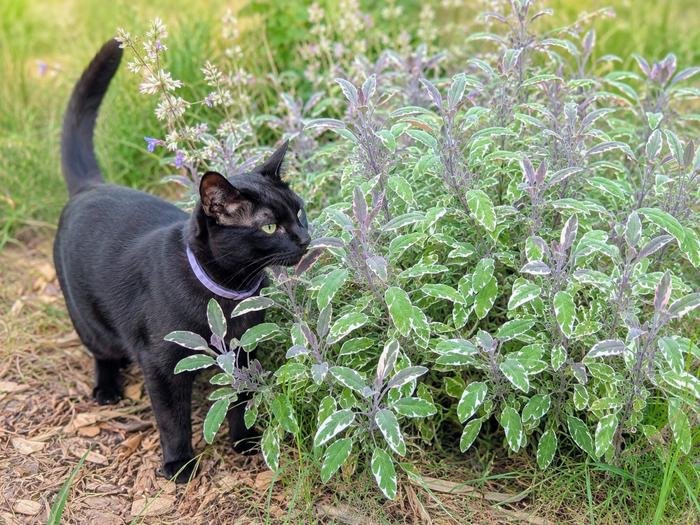
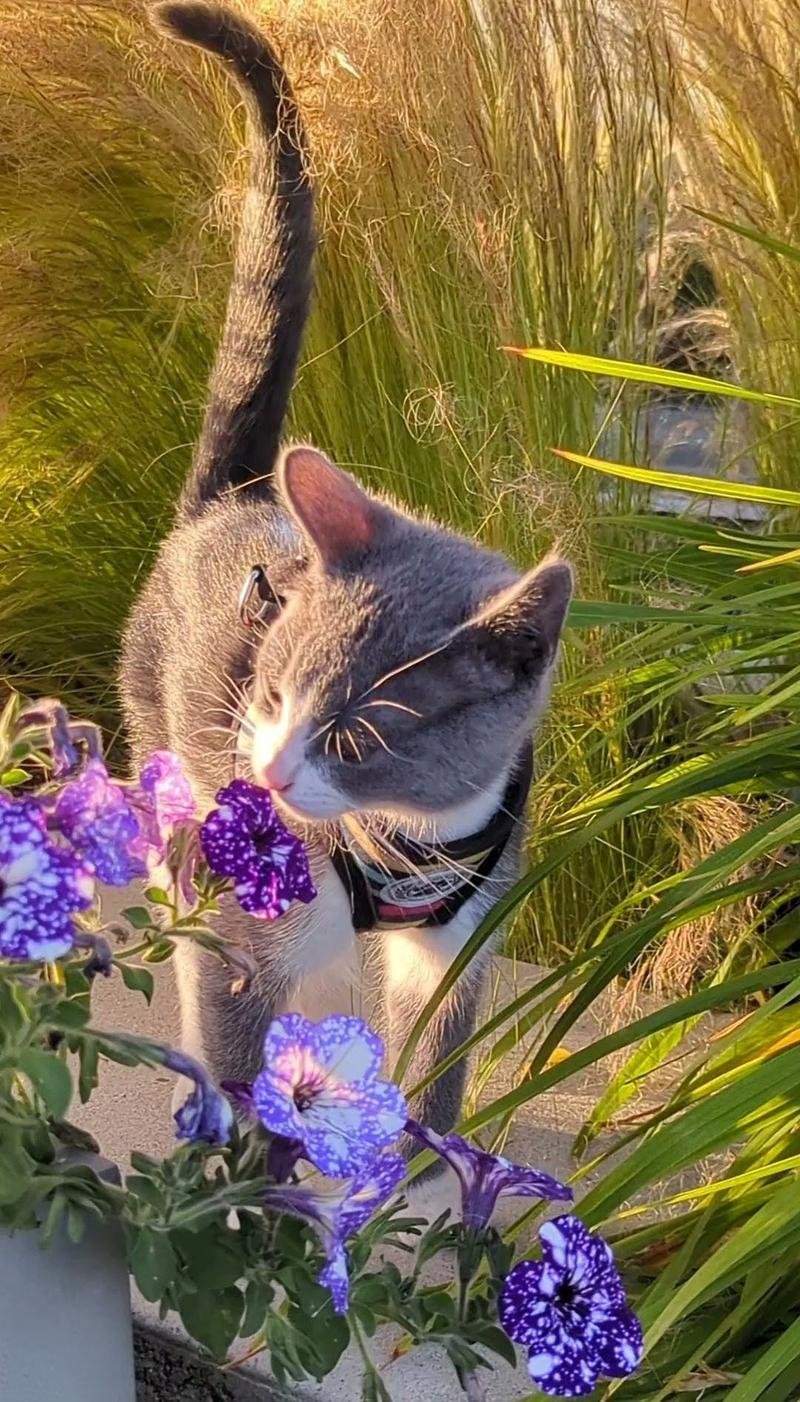
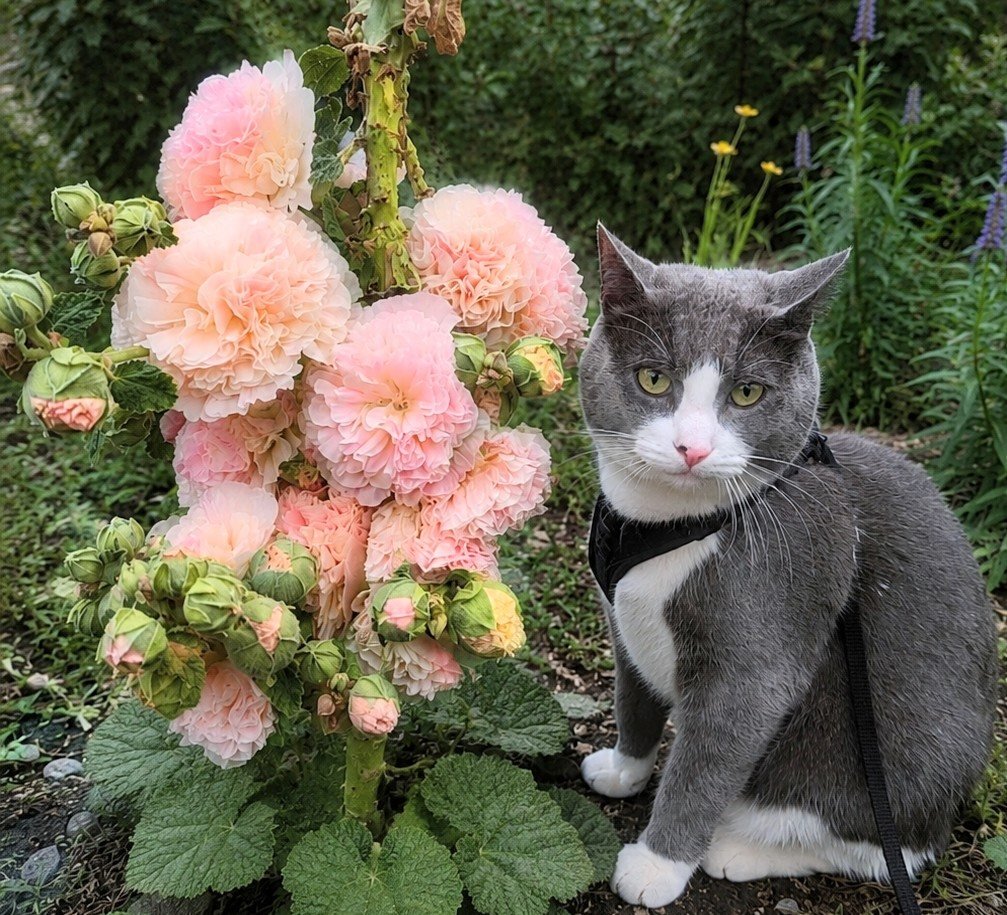
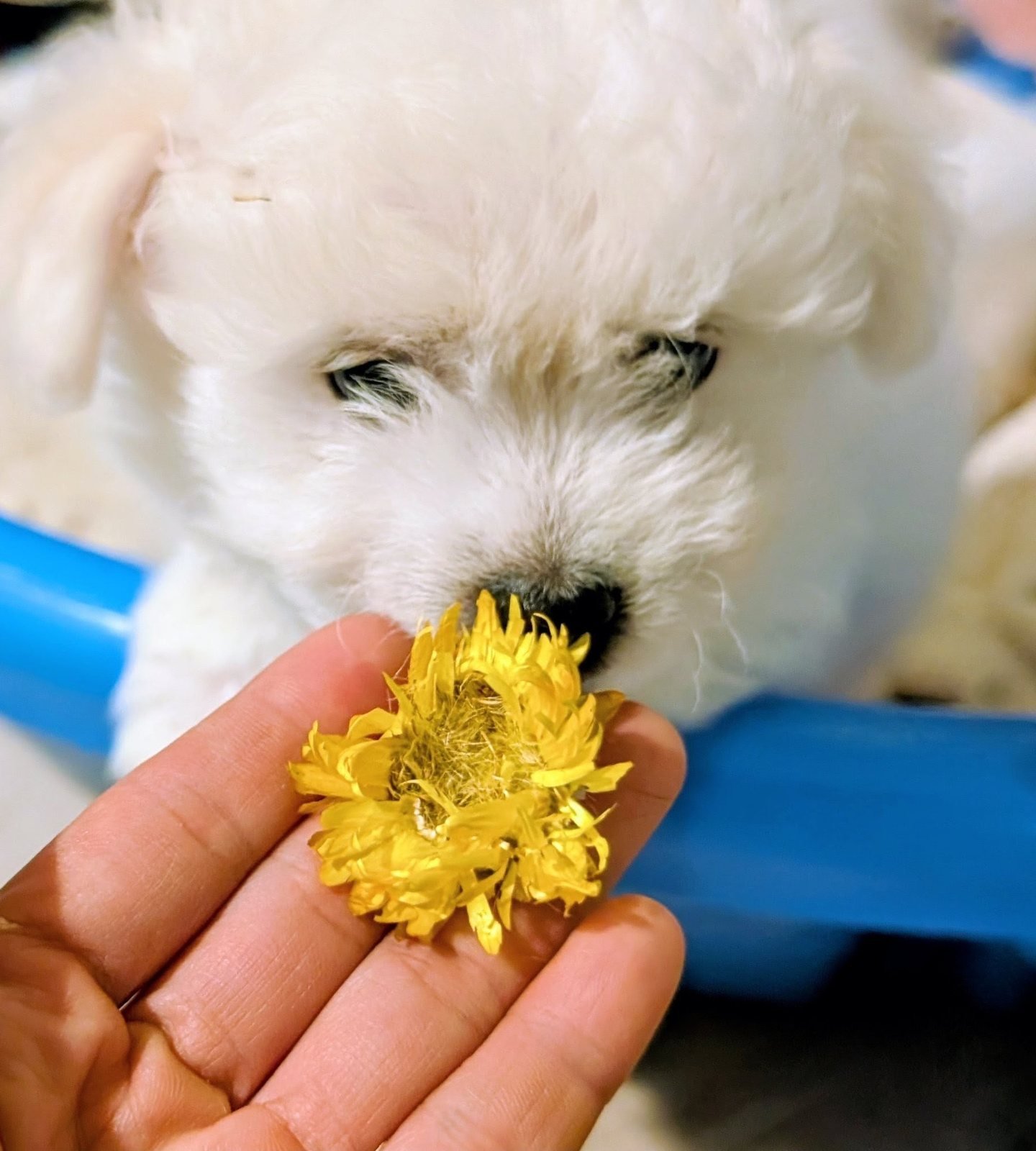
Pet safe varieties
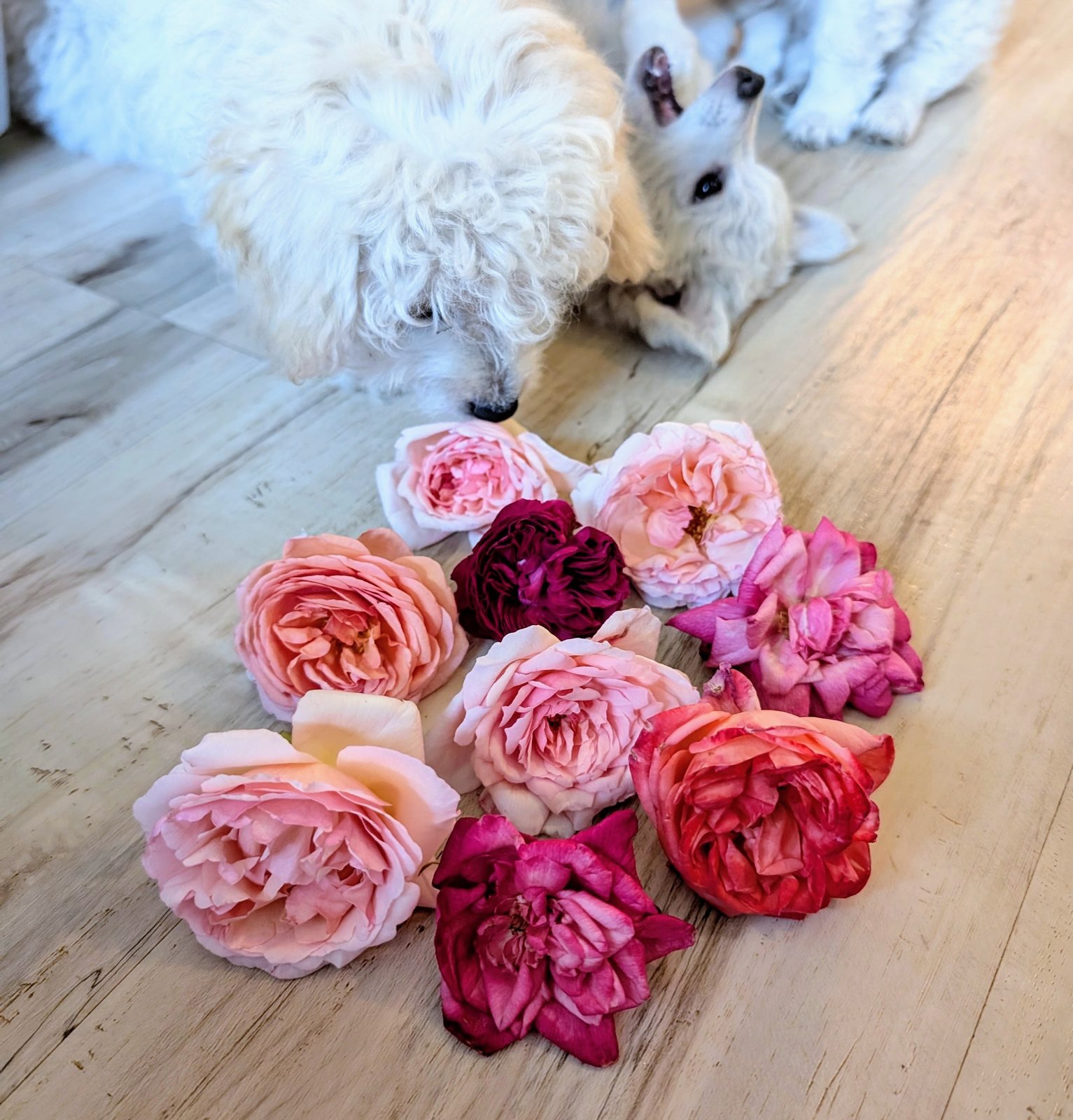
Create a safe home and garden — where a curious nose, a wandering paw, and a hungry beak can meet every leaf without harm.

Symbiotic relationship
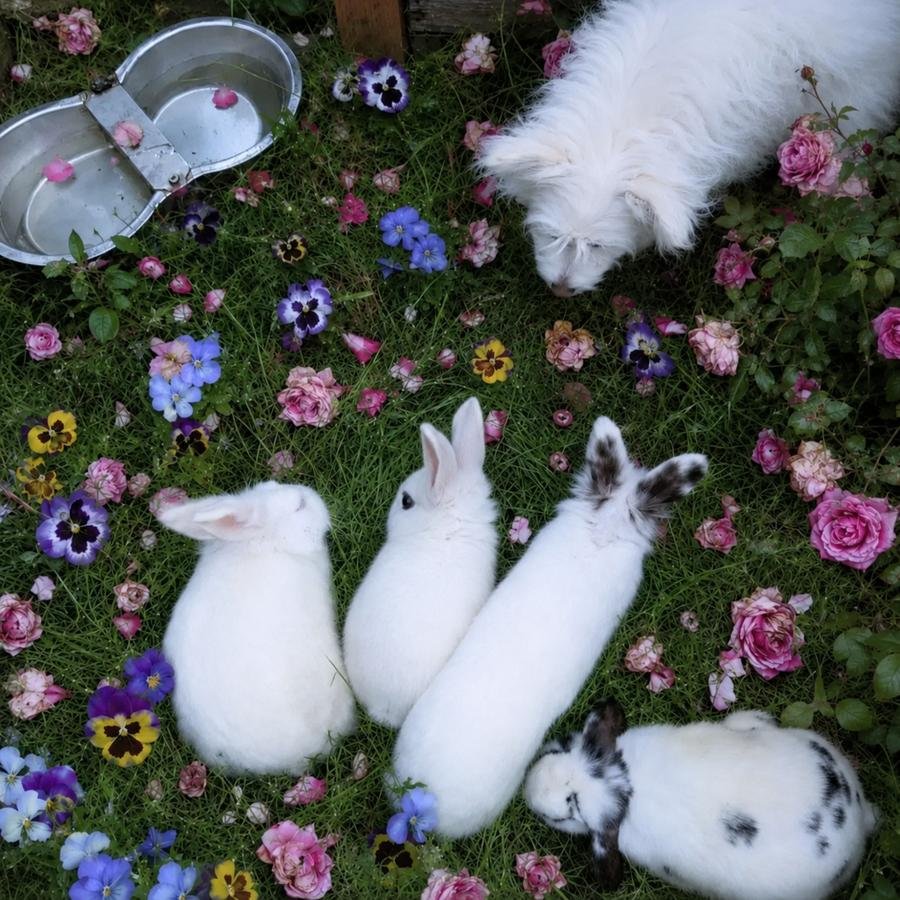
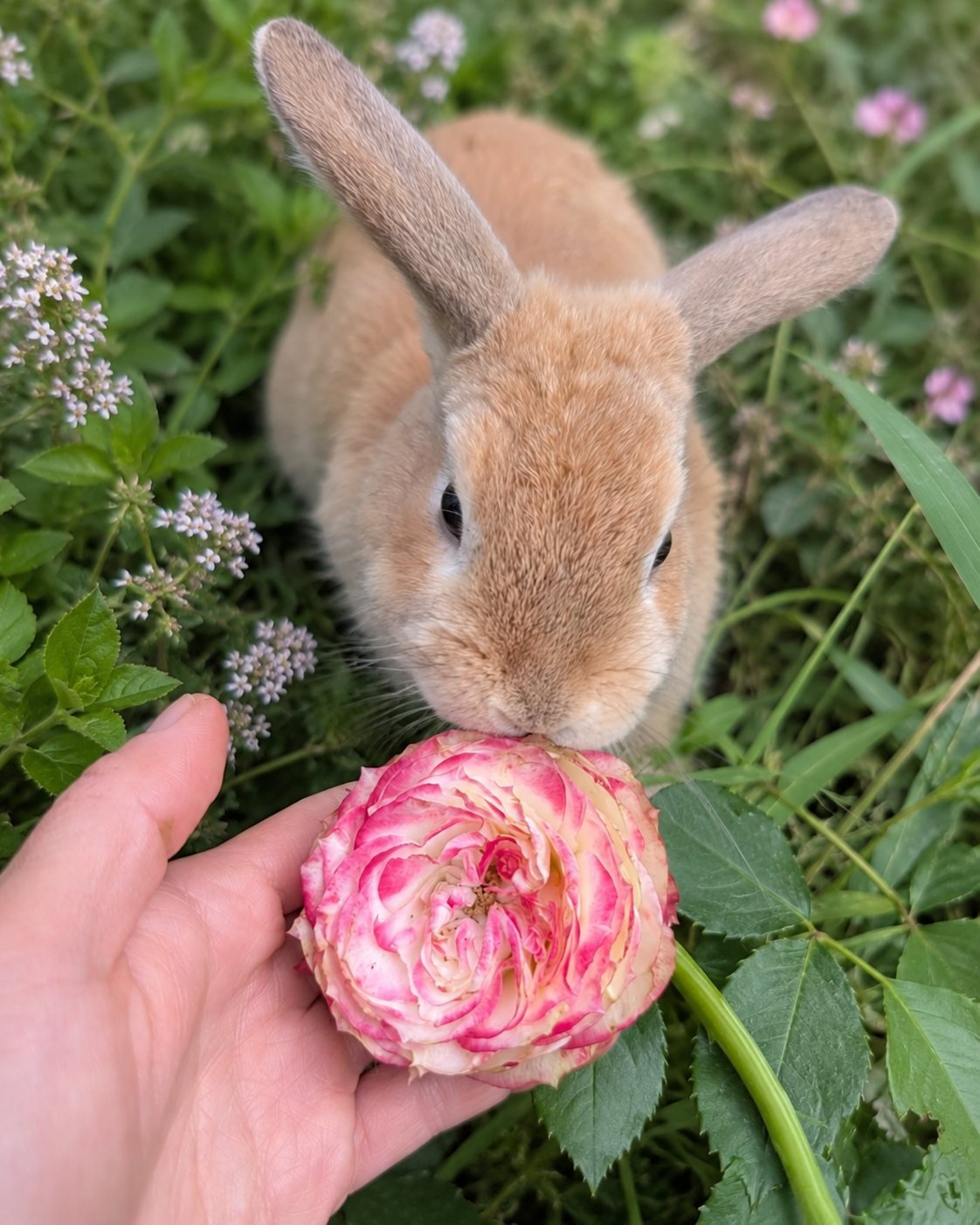
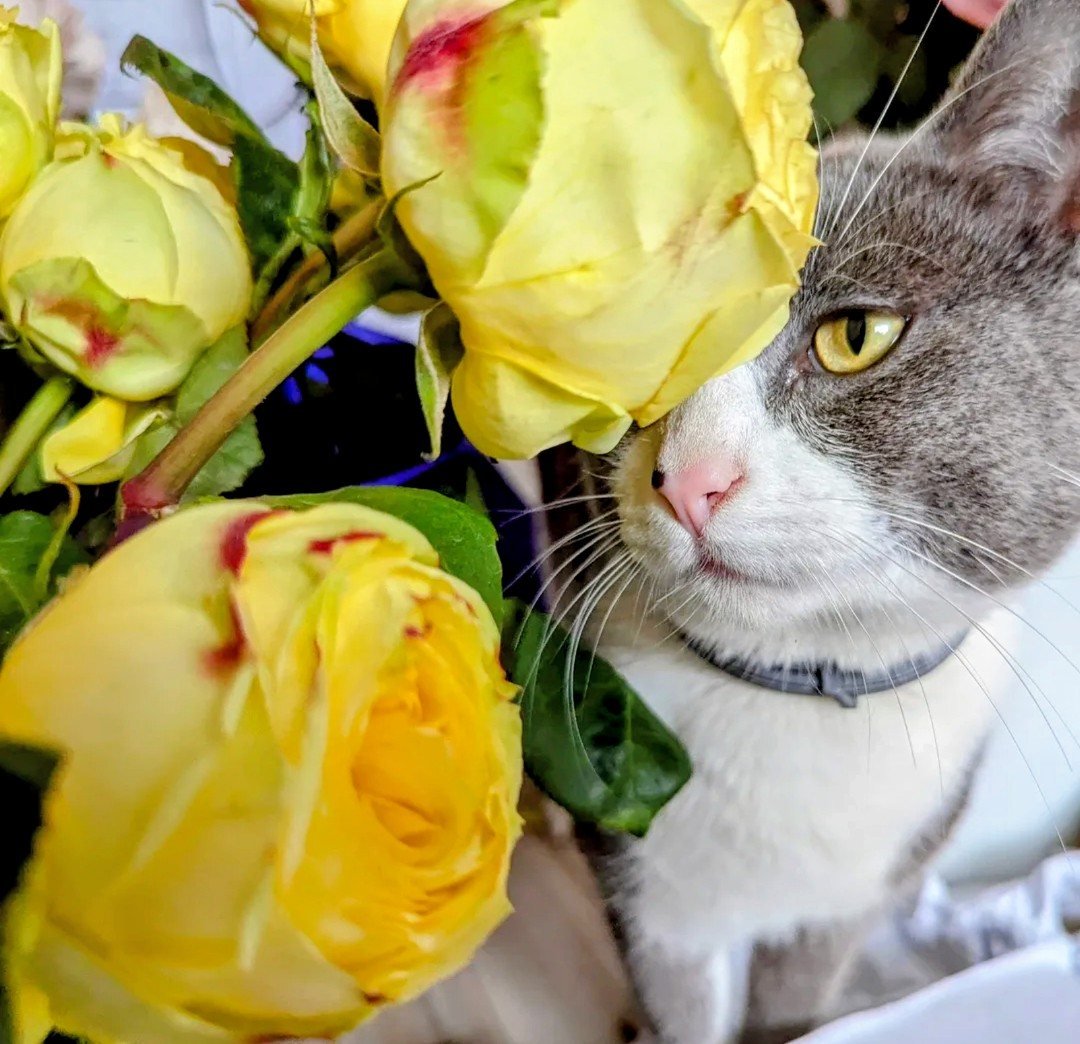
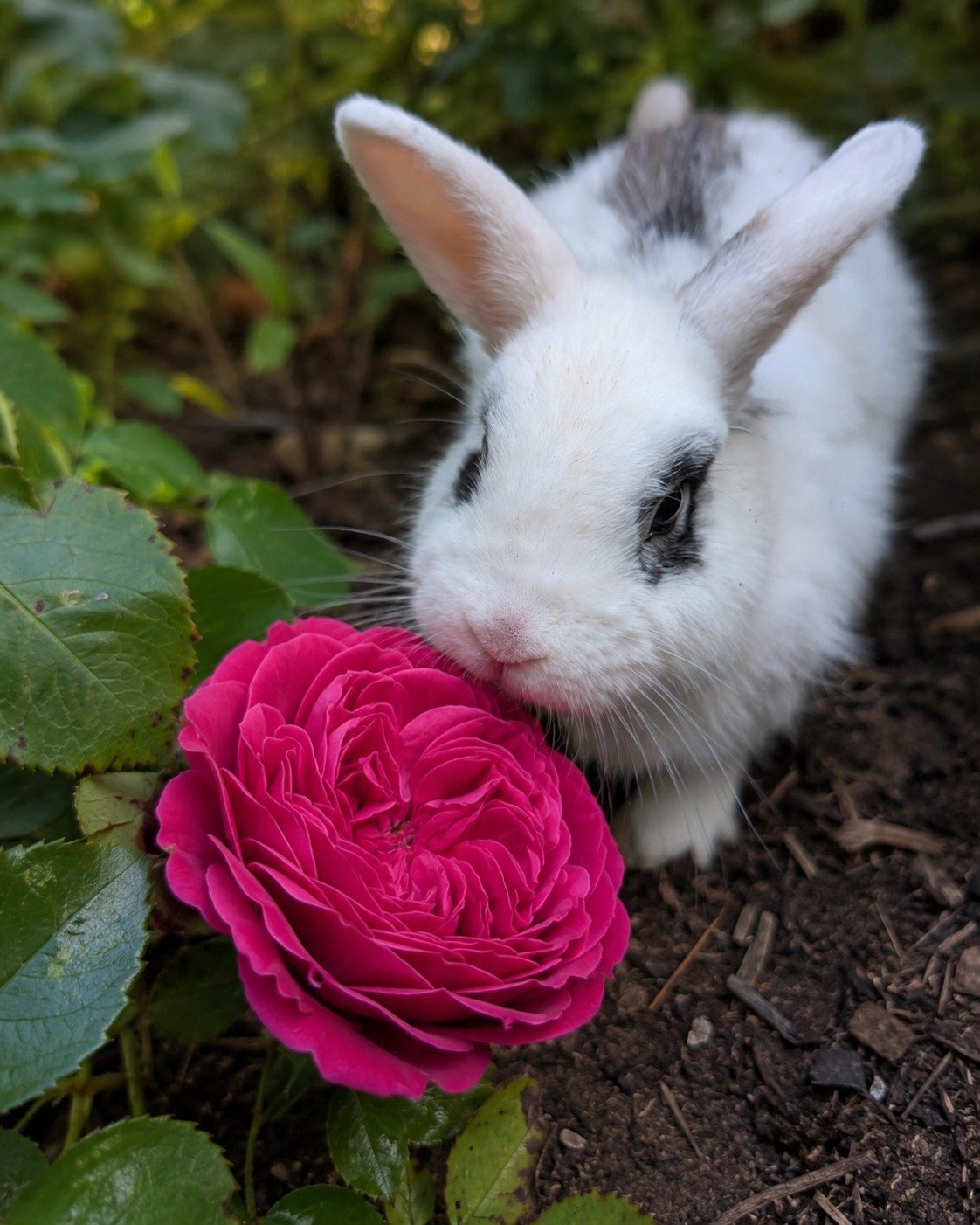
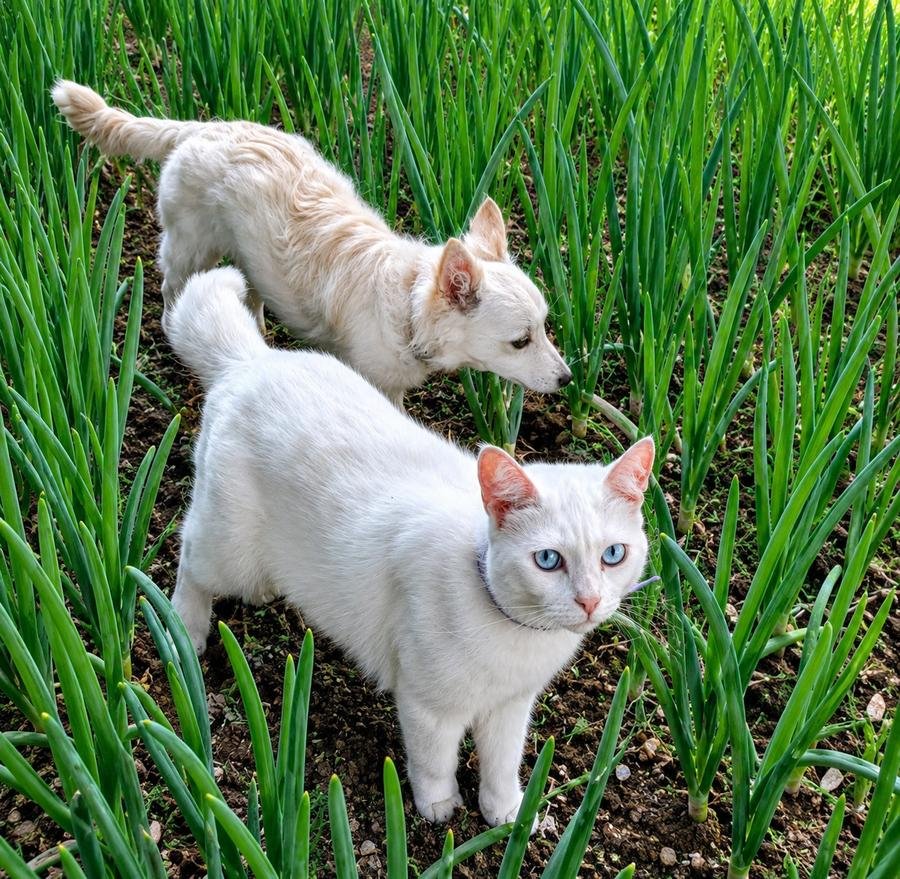
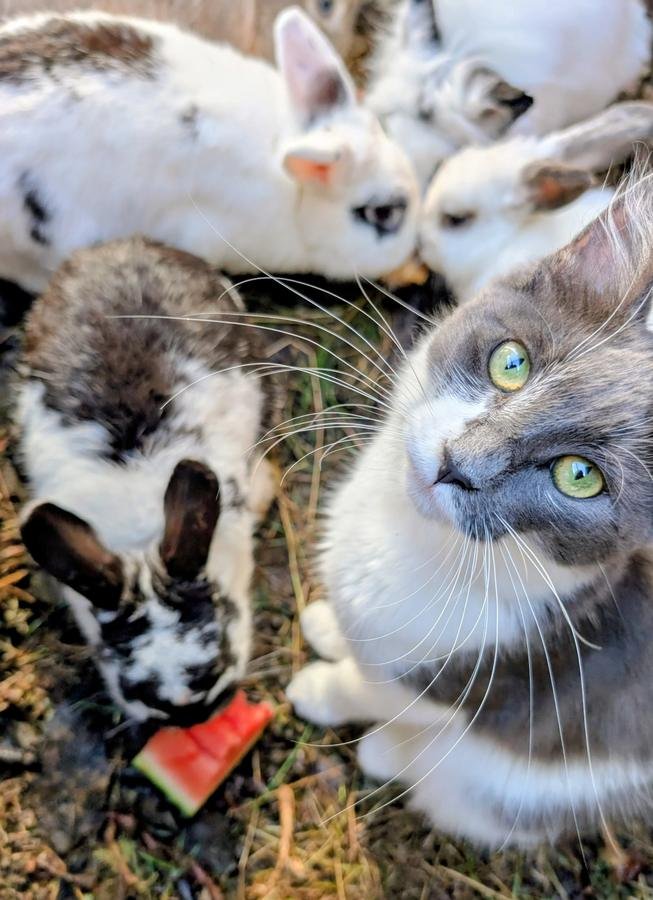
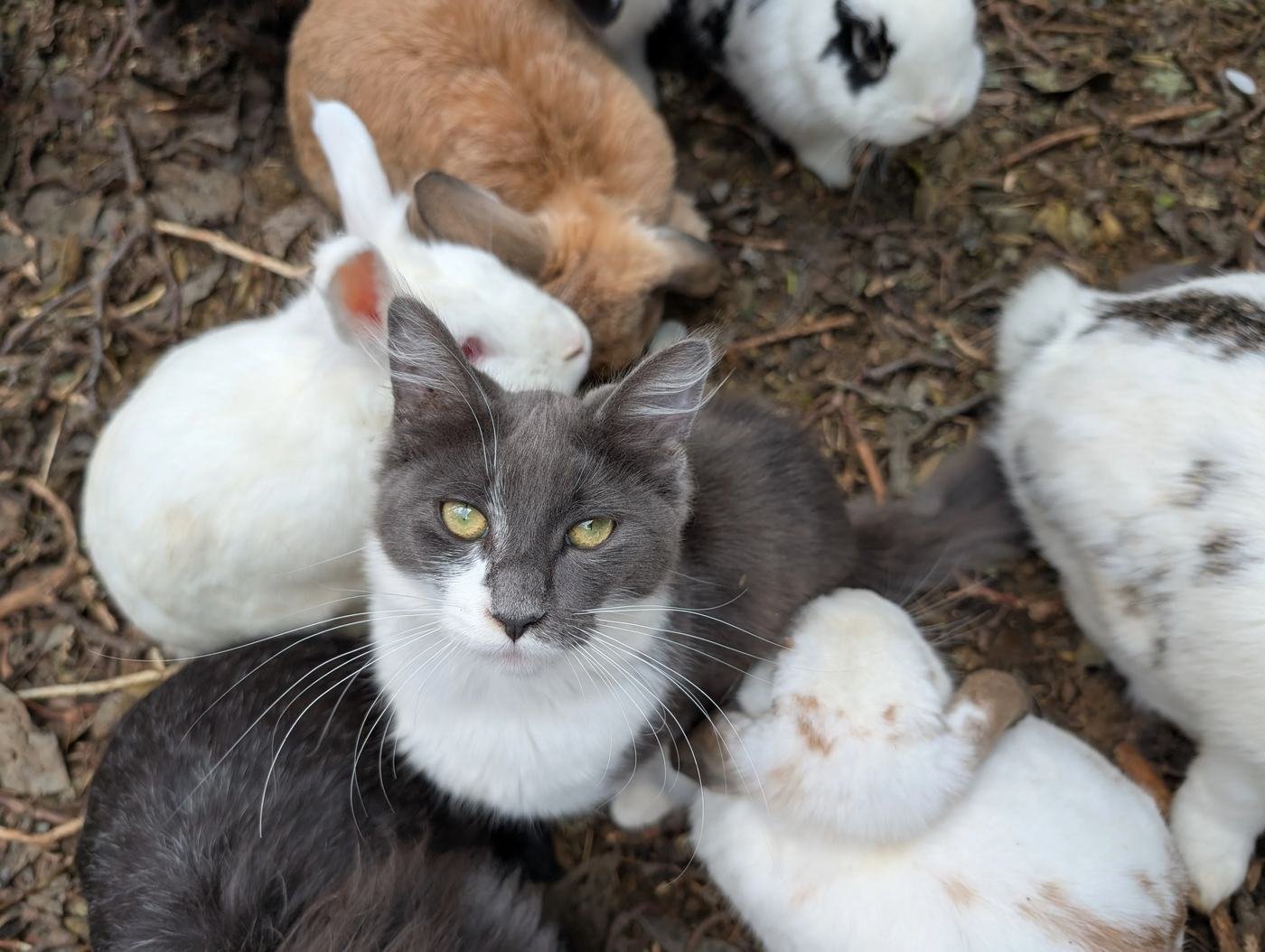
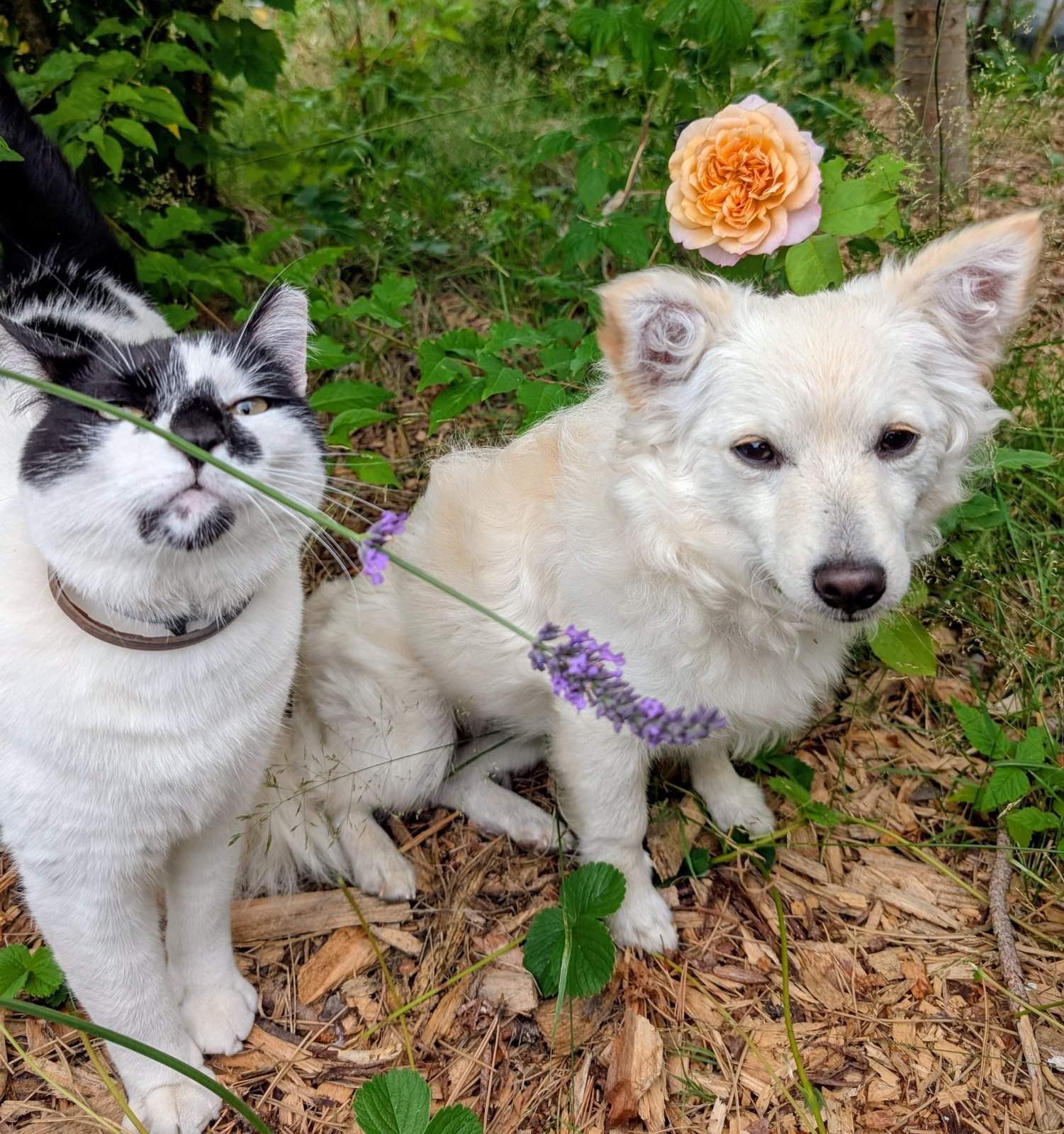
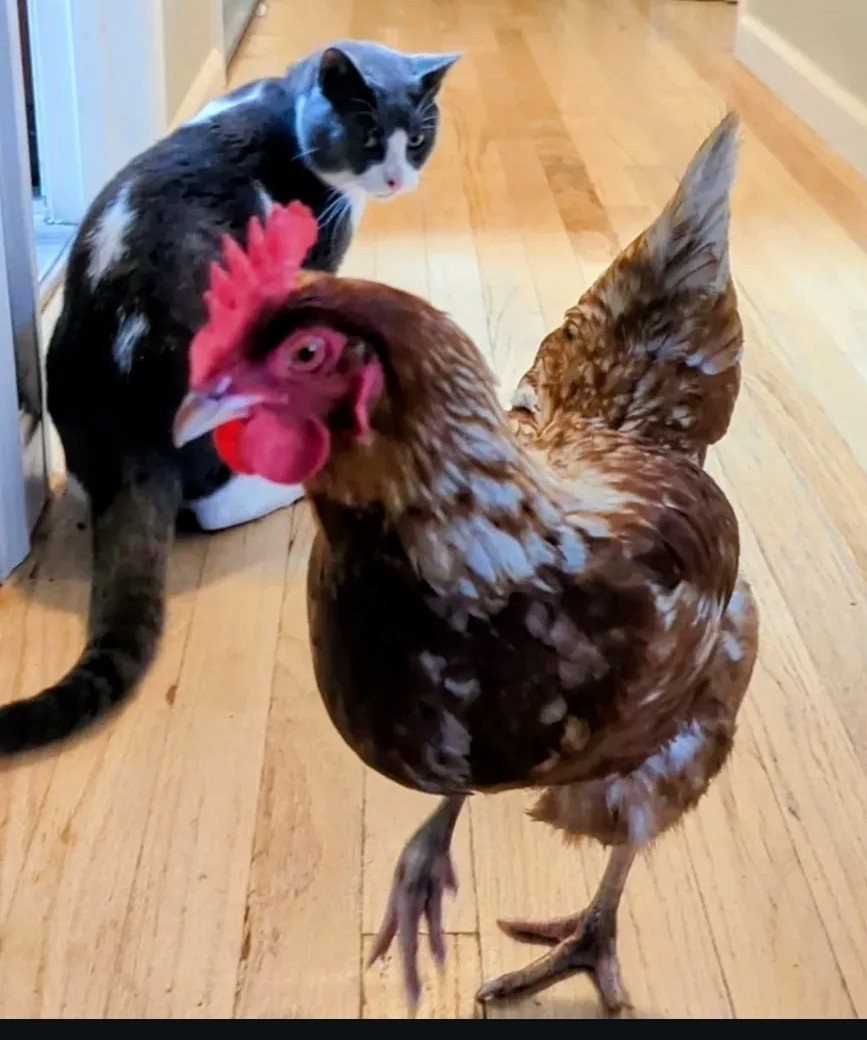
Nothing survives alone. Predator and prey, plant and pollinator, tree root and mycorrhizae — and even cat and rabbit — coexist for a healthier home and garden.
Non-plant lives
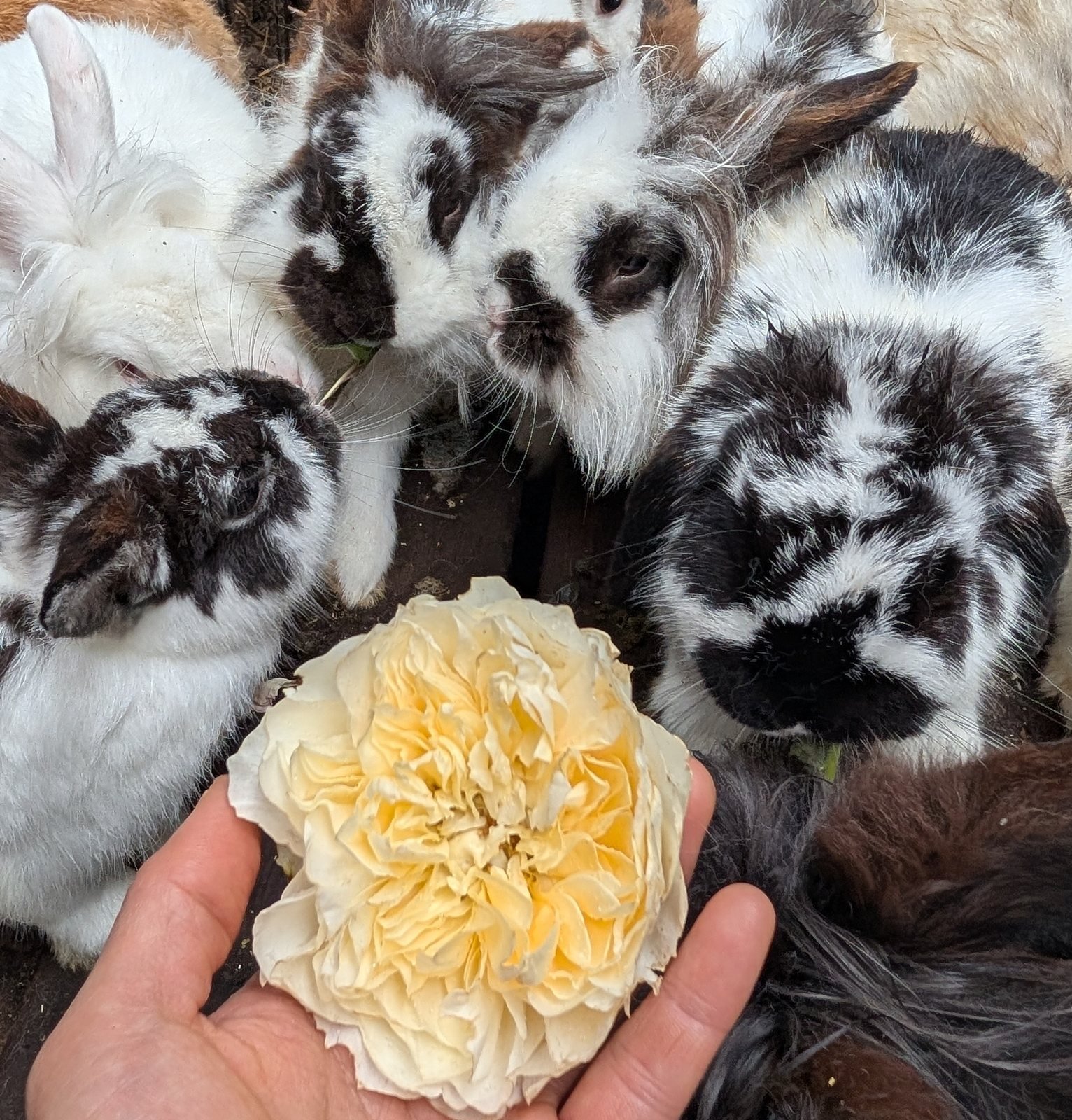
Companion animals
Rescued, rehomed, and cared for
Fresh eggs
From backyard flocks, gathered by hand
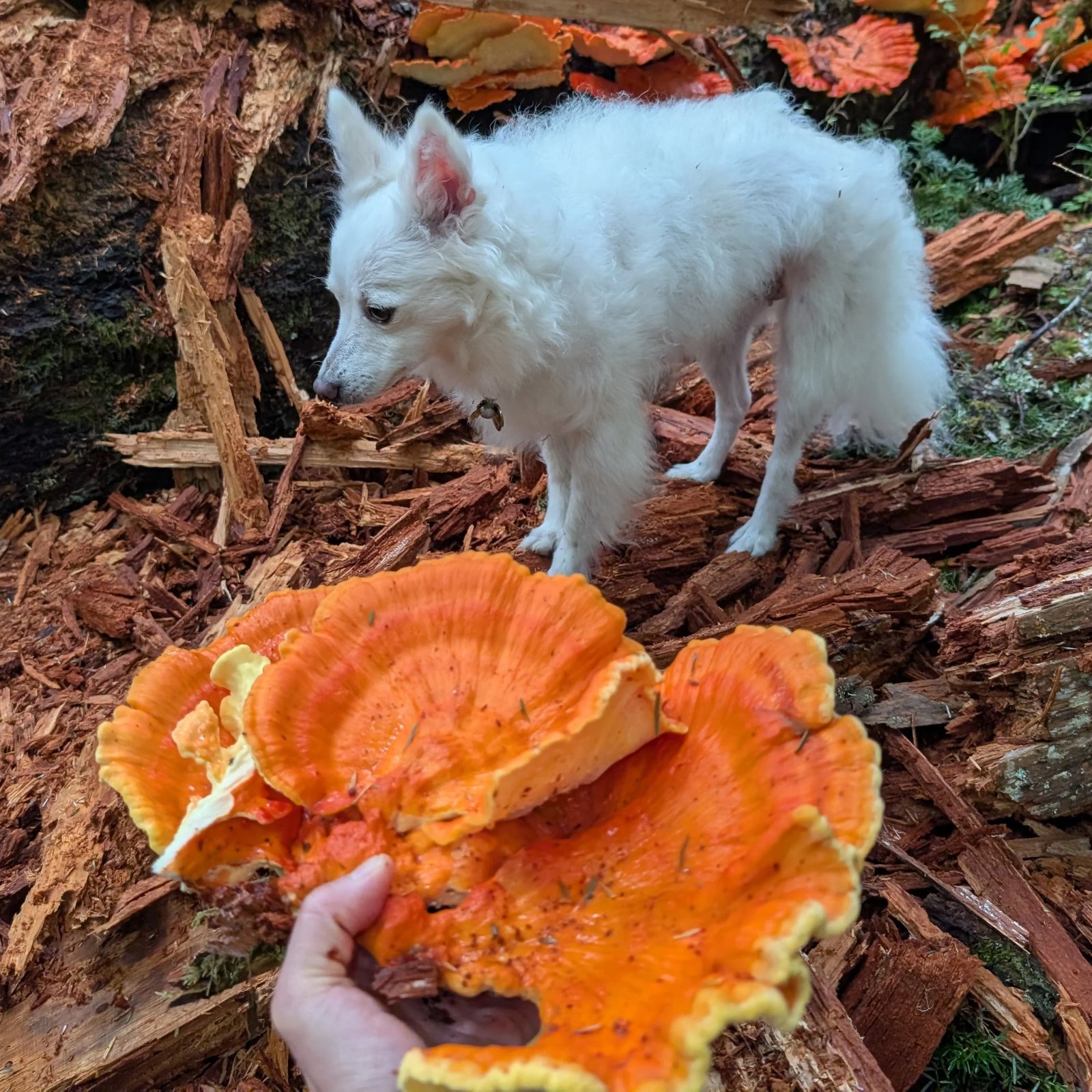
Mushrooms & mycelium
Grow kits, spawn, and living cultures
Algae
Not a plant at all — its own ancient kingdom. From edible spirulina and chlorella superfoods to the microscopic life that makes most of Earth's oxygen.
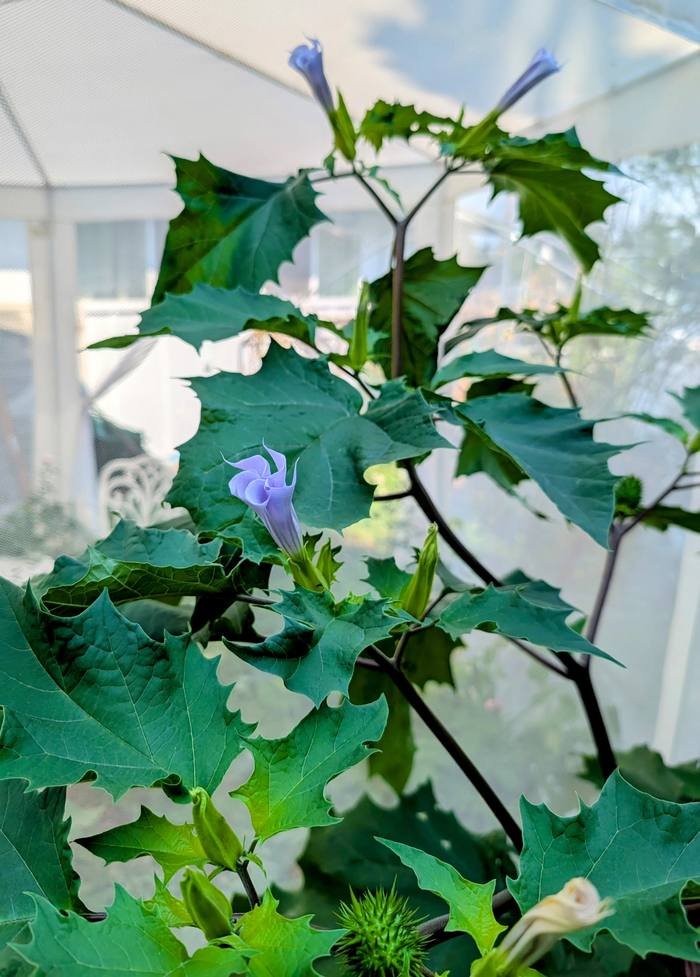
Toxic and invasive species
Learn more →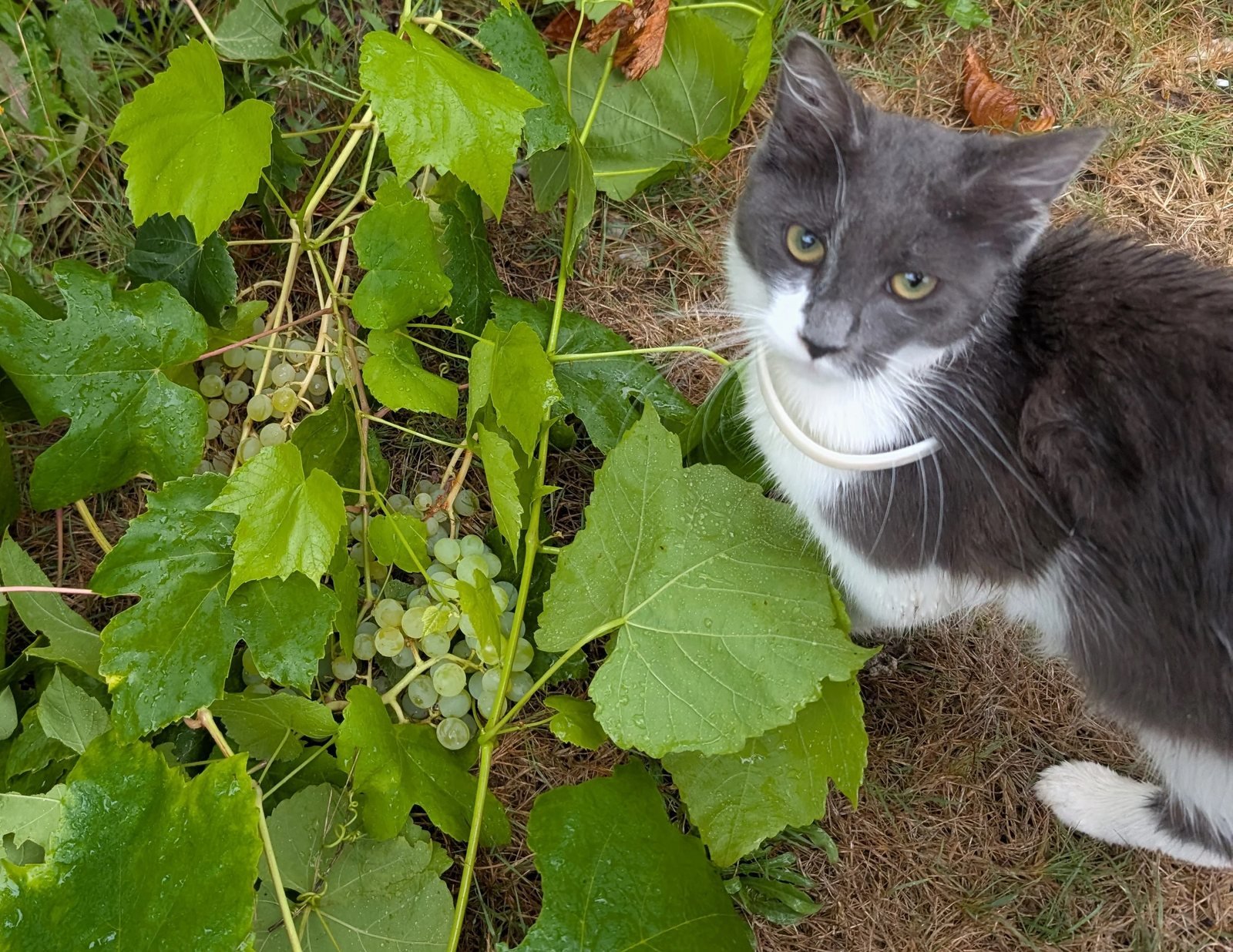
Grapes and raisins can cause acute kidney failure in dogs, with no established safe dose. Beautiful, productive — and worth fencing off.
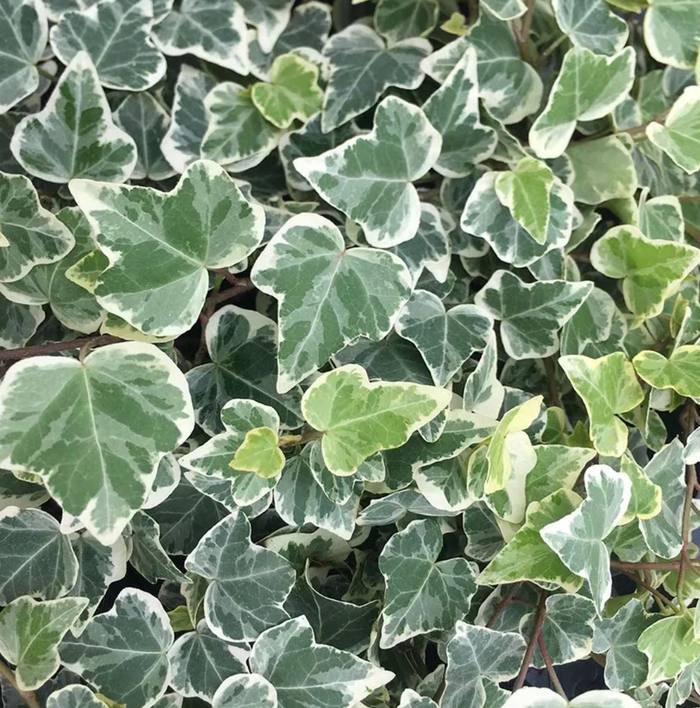
Seasonal preorder & live plant policy
Shipping schedules depend on each vendor and product — some items are ready to ship, while others are seasonal preorders sent in fall or spring. Your cart and order confirmation will show the specific shipping schedule and any local pickup availability for each item. Items with different schedules may be split into separate orders.
Plants are living, perishable goods and may arrive dormant or experience normal transit stress — leaf drop, yellowing, temporary wilting, cosmetic damage, or soil displacement. These conditions do not necessarily mean a plant is dead. See our Live Plant Policy for full details.
All sales are final except where a seller expressly states otherwise in the individual listing, a verified dead-on-arrival claim qualifies under the Live Plant Policy, or a refund is required by applicable law.
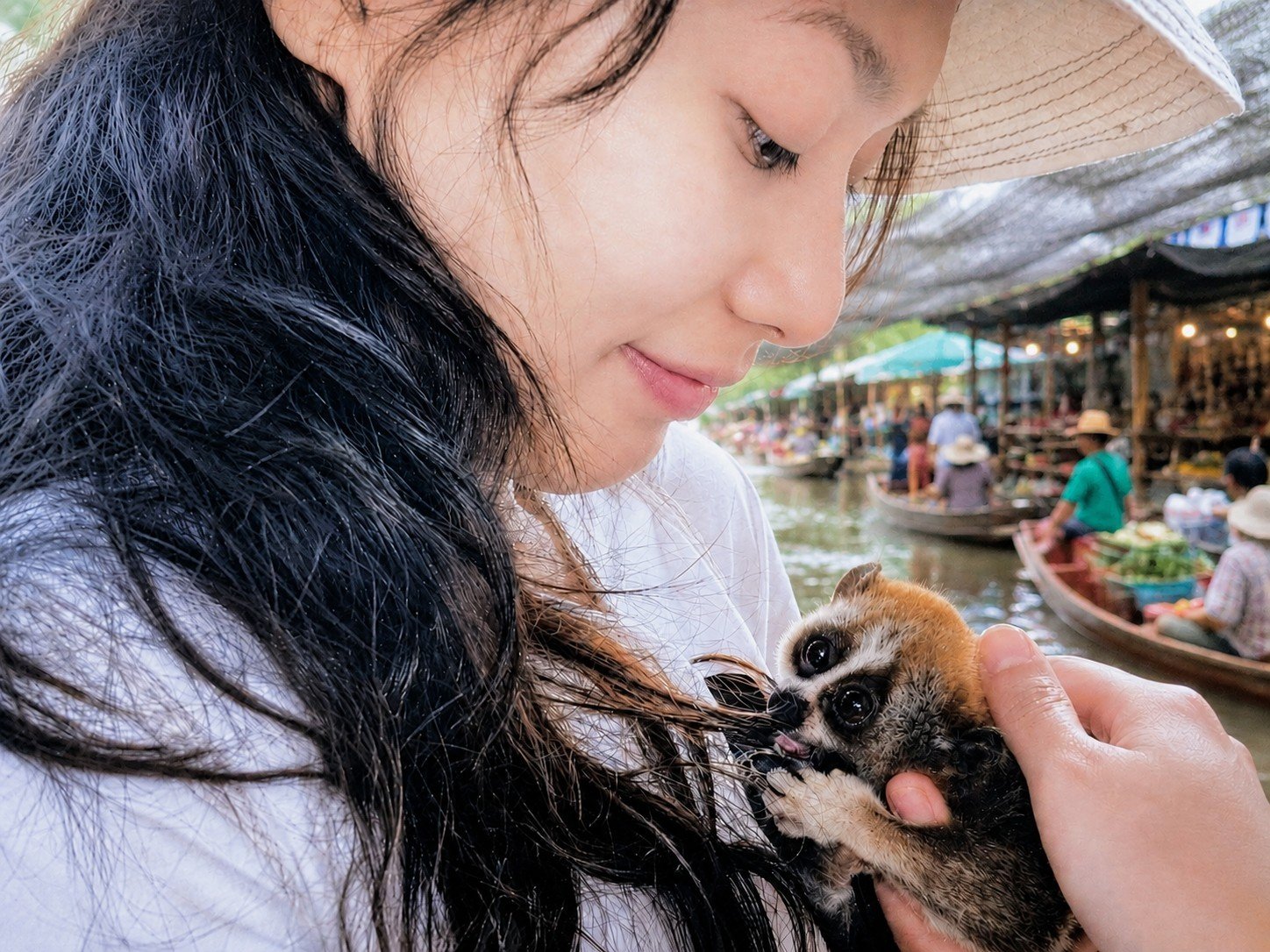
Recognize injustice or encounter animal mills?
If you witness animal abuse, neglect, or exploitation — you have the power to make a difference. Learn how to report a case and become an advocate for those who cannot speak for themselves.
Slow lorises are one of the world's most heavily trafficked primates. Captured from the wild and sold illegally as pets or tourist-photo props, many have their teeth painfully clipped or removed so they can't defend themselves. Because they are nocturnal, being handled, displayed, photographed, or kept awake in bright daytime settings causes even more stress and suffering.
Be an advocate →Simple and meaningful 🤝
Volunteer work that connects people, plants, and animals. Small acts, real impact.
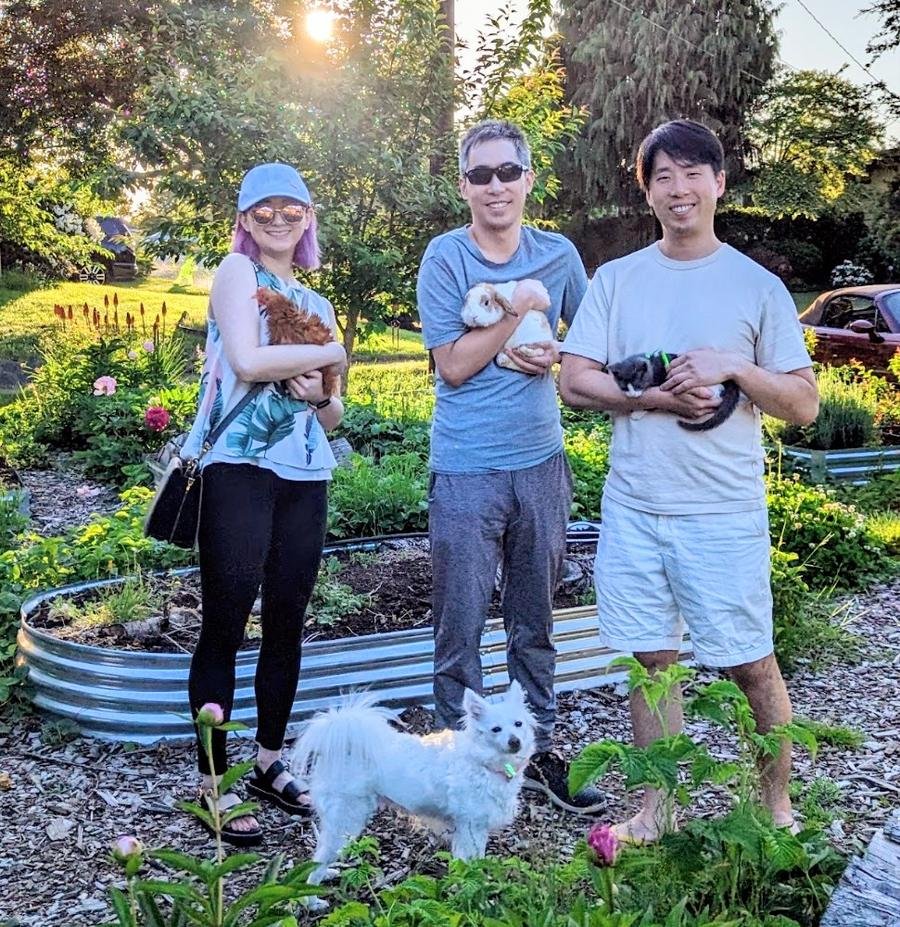
- 🌱 Help plant community gardens and habitat spaces
- 🐇 Assist with animal care and rescue events
- 📦 Pack and deliver plant donations to local families
- 🤲 Simply show up and do something good together
Services


Farm & Garden Help
Hands-on help for farms, homesteads, and large gardens.
Find farm help (Coming soon)Farm visits & hands-on experiences
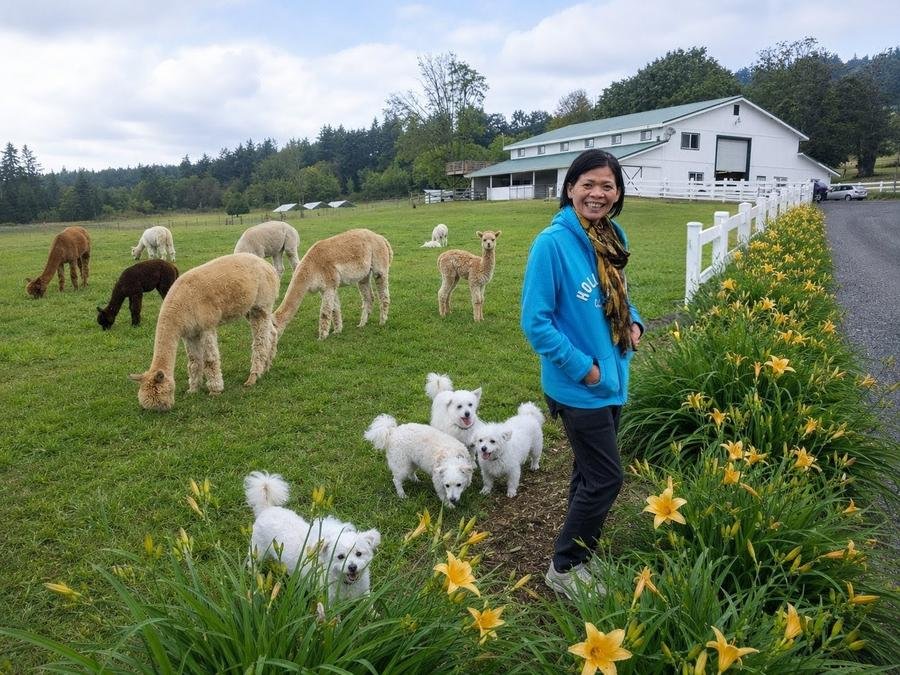
Experience nature up close
Connect with local farms, gardens, and sanctuaries offering real hands-on experiences. Feed animals, plant seedlings, harvest mushrooms, and learn from the people who do this every day.
🌸 Peony & rose farm tours — Walk through blooming fields, pick your own bouquet
🍄 Mushroom cultivation workshops — Inoculate your own logs, take your kit home
🐇 Animal sanctuary visits — Meet rescue animals, learn their stories
🌱 Planting & harvest days — Join a real farm workday
🐝 Pollinator garden walks — Identify beneficial insects, birds, and plants

Gather, plant, help animals, and learn together.
Wildflower Workshop
Create habitat, support wildlife, and learn how to start.
Potting with Puppies
Garden, play, plant, and support rescue animals.
Peony Celebration
Garden tour, blooms, stories, and community connection.
Seed & Cutting Giveaway
Free tree peony seed, fruit tree and honeysuckle cuttings.
The loyal family we create 🐾
Some bonds aren't born — they're built, one walk, one garden visit, one rescued animal at a time.


Share your photo
Add your own pictures below, or tag #PhyTuLoyalFamily · email us
The chaotic yet calm life we choose
Nobody warned us. We would do it again anyway.
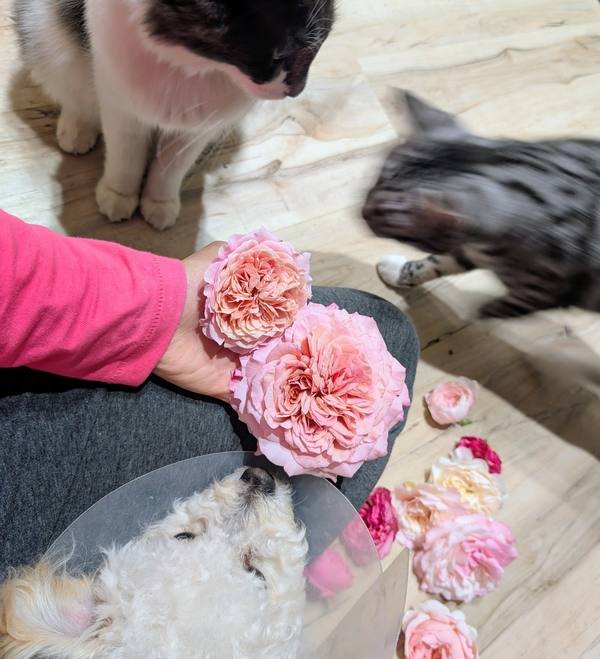
Bare-root roses on the kitchen floor. A cat asleep in the seed tray. Muddy paw prints across a freshly potted bed. This is what a life shared with plants and animals actually looks like — beautiful, unruly, and completely worth it.
Tag #PhyTuChaos or email us your photo — the messier the better.
Wellness

Environment restoration
View all projects →Follow the people and projects restoring habitats, protecting species, and rebuilding ecosystems — one action at a time.





Featured projects

After a life-changing accident, Alexey has planted forests and cleaned rivers across Russia, Kazakhstan, and beyond — funding every project through his eco-platform and 1.3M-strong following. Targeting 1 million trees in 2026 at $3/tree.

Since 1994, Reef Seen's nonprofit hatchery buys turtle eggs from local fishermen above market price, incubates them, and raises hatchlings 2–3 months before ocean release. Green, Olive Ridley, and Hawksbill species. Buddy, their 19-year-old rescued Hawksbill, is the resident ambassador.
Share your restoration work
Post your habitat projects on PhyTu — track progress, share milestones, and connect with others restoring the natural world.
Share your project →- 📊 Track and share project progress
- 🌿 Connect with local restoration networks
- 📸 Document habitats before & after
- 🐝 Get found by volunteers & funders
- 🌱 Source native plants from PhyTu vendors
Full circle
A beautiful ending
We spend our lives helping things grow. There is a way to keep doing that afterward — for ourselves, and for the companions who walked beside us.

After the rain

Green burial
No embalming, no concrete vault, no metal casket. A shroud or a simple untreated wooden box, laid directly in the earth in a conservation cemetery — where the land itself is protected in perpetuity and the grave becomes forest again.
Reef memorials
Cremated remains are blended into a pH-neutral marine concrete and cast into a reef module, then placed on a permitted seabed site. Corals, sponges, and fish colonize it within months. Families are given the coordinates and can dive or visit by boat.
Memorial trees
A biodegradable urn holds a seedling above the remains, separated by a growth medium so the roots reach the ashes only once established. A tree peony, a dogwood, a Douglas fir — chosen to belong where it stands.
Regulations vary by state and by country. Please check with a licensed funeral director or your state health department before making arrangements.
For our animals too — every one of these options exists for pets: smaller reef modules, pet-scale memorial urns, and dedicated green pet cemeteries, so the companions who walked beside us can return to Earth just as meaningfully.

PhyTu is more than a name — it's an homage
An anagram of the founder's mother's name, PhyTu carries with it the spirit of nurturing, creativity, and quiet strength that inspired our mission from the very beginning.
When you walk with PhyTu, you don't just join a journey — you carry forward a legacy worth remembering.